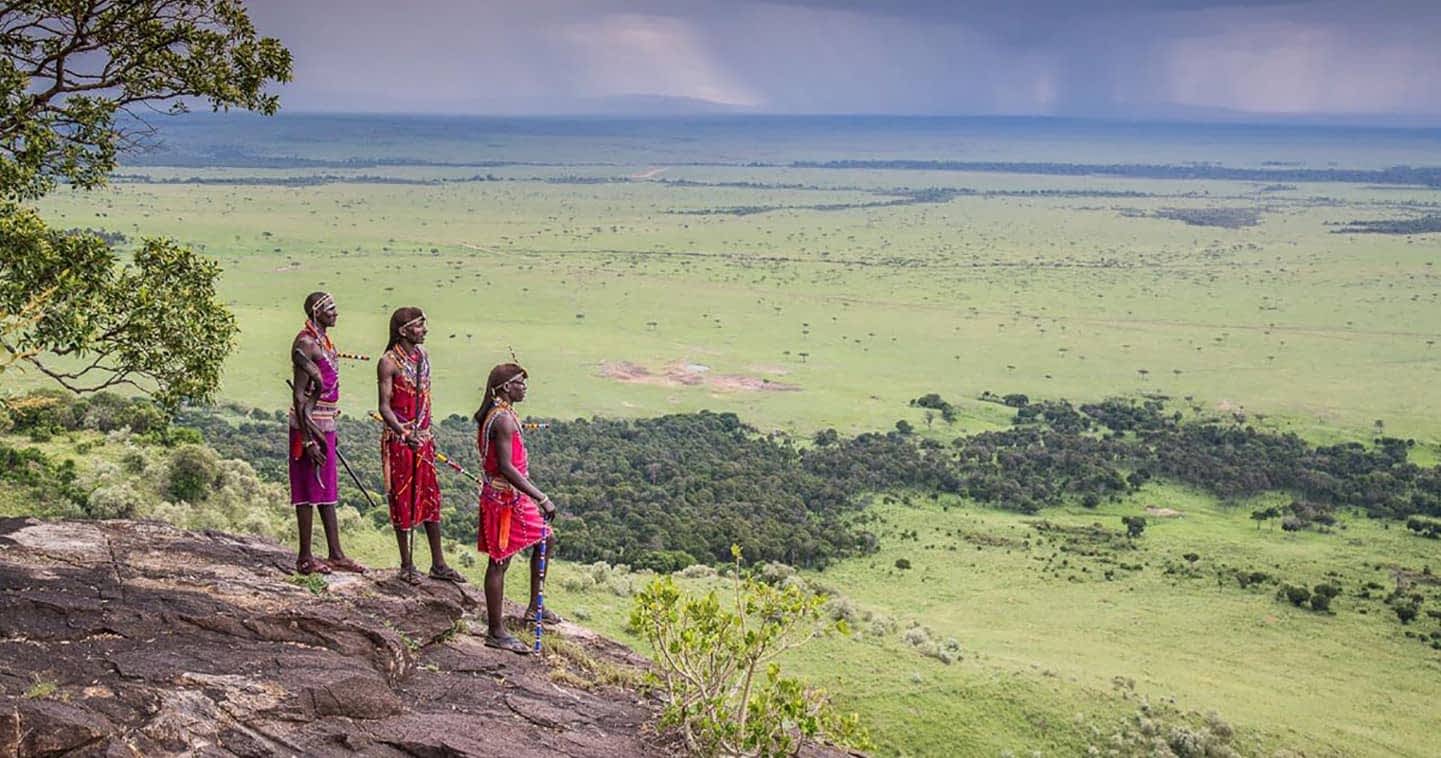
Key Takeaways
- Kenya is the birthplace of the safari and one of the richest wildlife countries on earth — all of the Big Five, the highest big-cat densities in East Africa, and the Masai Mara's chapter of the Great Migration.
- The Masai Mara is the stage for the migration and the big cats; Amboseli is elephant-and-Kilimanjaro country; Samburu holds the rare Special Five; Ol Pejeta and Lake Nakuru are rhino strongholds.
- Kenya is a genuine Big Five destination — and one of Africa's great rhino success stories, with both black and white rhino and the last two northern white rhinos at Ol Pejeta.
- July-October brings the Mara river crossings and peak dry-season game; January-March suits Amboseli and Tsavo; the green months are best for birds and newborns.
- Four to five days covers the Mara; ten or more adds Amboseli, Samburu, rhino country and the flamingo lakes.
- Build the trip around the species you most want to see — this guide maps every headline animal to the right park and season.
Some countries have great wildlife. Kenya invented the way we watch it. This is the land that gave the world the word "safari," where the endless plains of the Masai Mara darken with the columns of the Great Migration, where elephant super-herds walk beneath the snows of Kilimanjaro in Amboseli, where the arid north hides species found almost nowhere else, and where one of Africa's most successful rhino sanctuaries stands guard over the last northern white rhinos on the planet. A Kenya wildlife safari is not a single experience but a dozen, and the art is knowing which animal lives where, and when to be there.
This guide is built around the animals rather than the itinerary. If you want the full picture of how to structure a trip, our complete Kenya safari tours guide and ultimate Kenya travel guide cover packages, logistics and costs in depth. Here, we go species by species — what Kenya does best, where to find it, and the season that turns a good sighting into an unforgettable one.

Kenya's Wildlife at a Glance
Kenya packs an astonishing variety of wildlife into a compact, well-connected country. In a single trip you can move from the rolling grasslands of the Mara to the elephant swamps of Amboseli, the red-earth wilderness of Tsavo, the arid drama of Samburu and the freshwater and soda lakes of the Rift Valley — most of them within a short flight or drive of one another. That accessibility, combined with a century of guiding tradition, is why Kenya remains the benchmark against which other safari countries are measured.
What sets Kenya apart is not just the star species but the range. This is a country of the highest lion densities in East Africa, both black and white rhino, elephant herds beneath a snow-capped equatorial mountain, five dry-country species you will struggle to find anywhere else, endangered wild dog on the Laikipia plateau, and more than 1,100 birds. For a traveller who has come to see animals, there is simply no richer or more time-efficient canvas on the continent.
Quick Answer
A Kenya wildlife safari delivers the Big Five (with rhino best seen at Ol Pejeta and Lake Nakuru), the Masai Mara's chapter of the Great Migration, East Africa's highest big-cat densities, elephant super-herds beneath Kilimanjaro in Amboseli, the rare Samburu Special Five, endangered wild dog in Laikipia, and more than 1,100 bird species. Four to five days sees the headline animals in the Mara; ten or more builds a fuller circuit. Go July-October for the migration and dry-season game, January-March for Amboseli's elephants, the green months for birds and newborns.
The Big Five — Where to See Each One
The Big Five — lion, leopard, elephant, Cape buffalo and rhino — remain the benchmark of any wildlife safari, a term inherited from the old hunting era for the animals hardest and most dangerous to pursue on foot. On a modern Kenya safari the only real challenge is the rhino, and even that is readily solved in the country's dedicated sanctuaries. The table below maps each to its best park and the timing that improves your odds.
| Big Five Animal | Best Parks in Kenya | Best Time & Notes |
|---|---|---|
| Lion | Masai Mara, Amboseli, Tsavo | Year-round; the Mara has Kenya's highest density and famous prides. |
| Leopard | Masai Mara, Samburu, Laikipia | Dry season best; scan the riverine trees and rocky kopjes. |
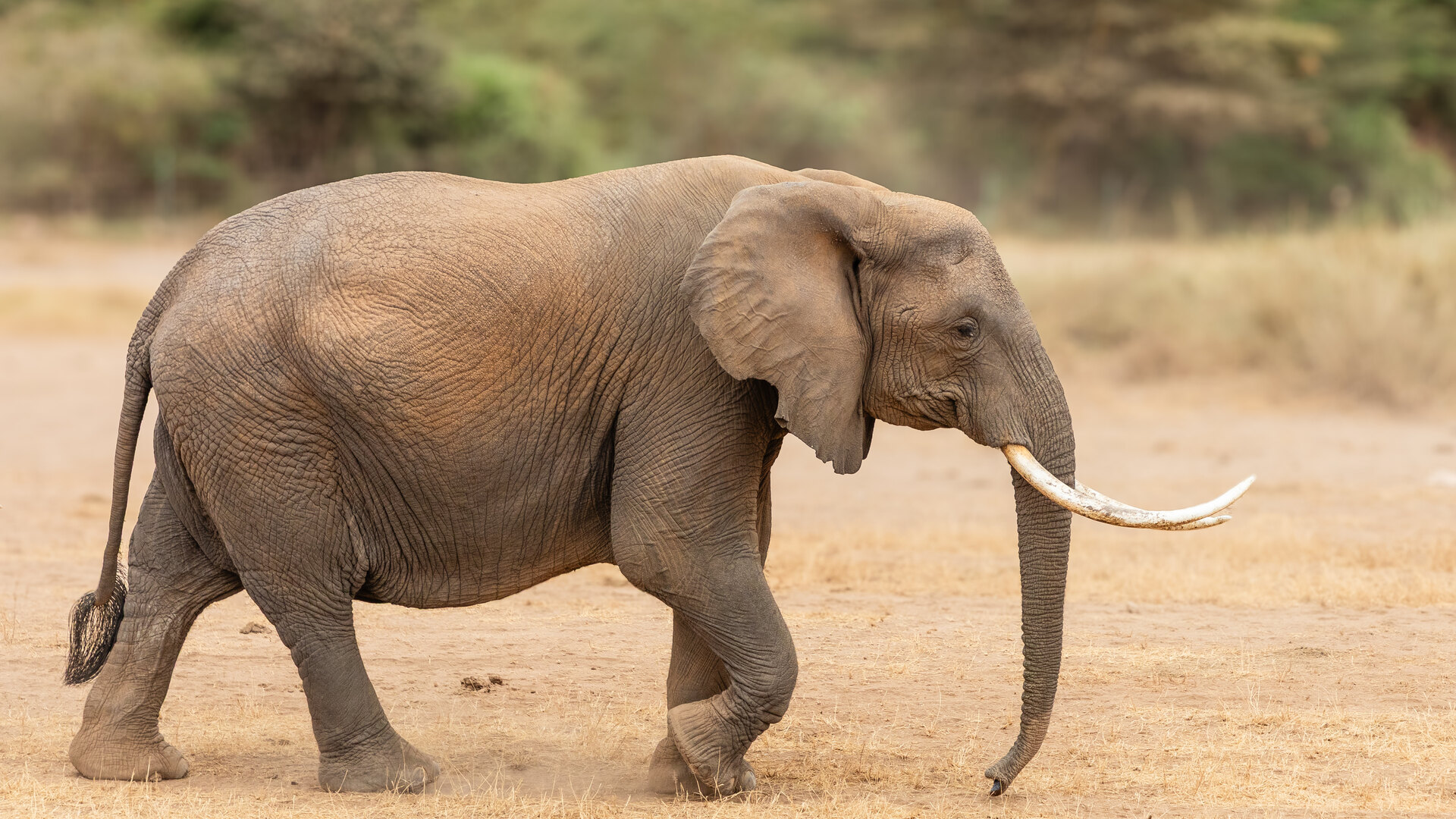
| Elephant | Amboseli (best), Tsavo, Samburu | Year-round at Amboseli, where big-tusked herds gather in the swamps beneath Kilimanjaro. |
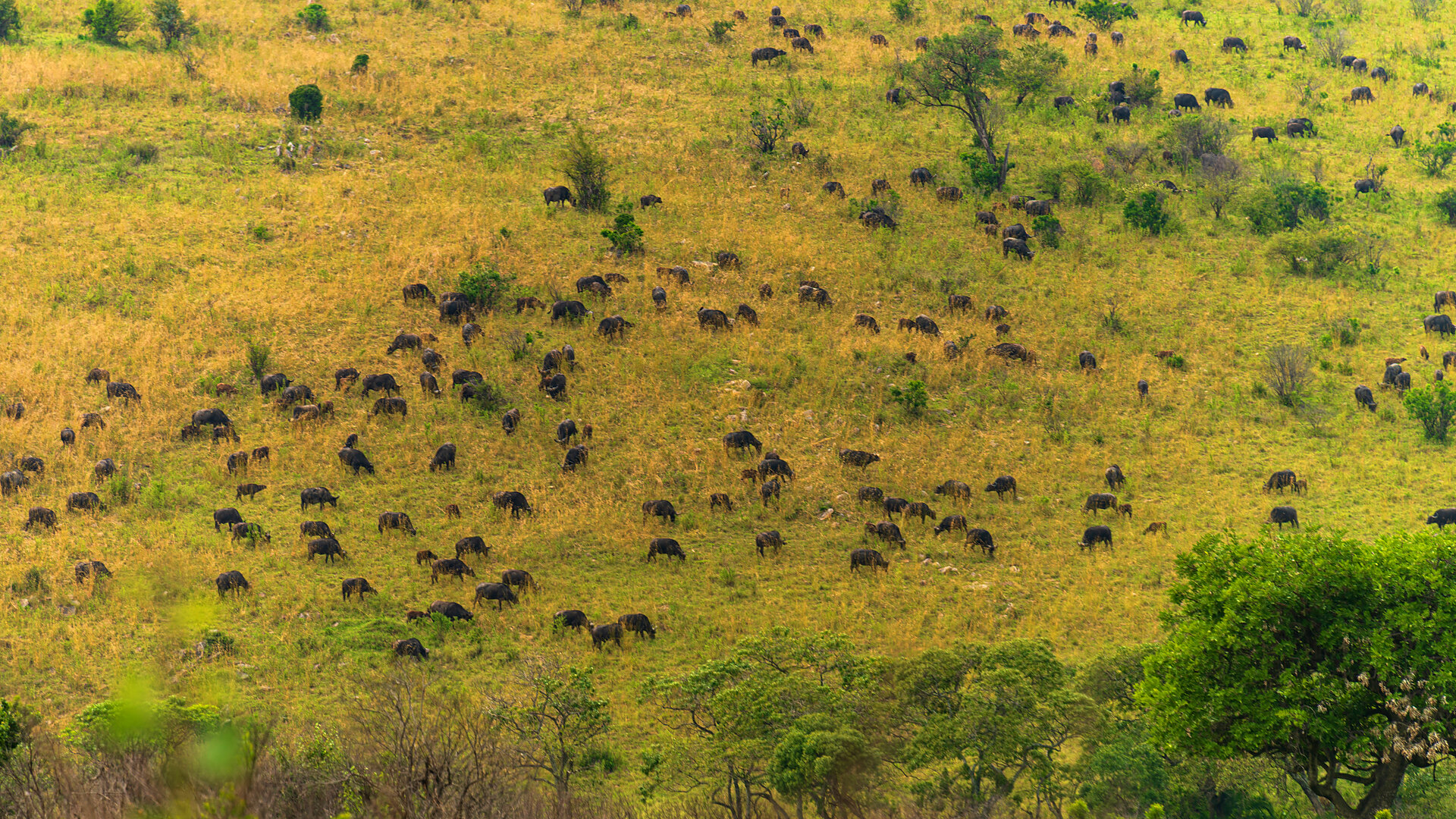
| Cape buffalo | Masai Mara, Lake Nakuru, Aberdare | Year-round; huge herds on the Mara plains and around the lakes. |
| Rhino (black & white) | Ol Pejeta (best), Lake Nakuru, Masai Mara | Year-round; Ol Pejeta is East Africa's largest black rhino sanctuary. |
The single most efficient way to complete the Big Five is to base yourself in the Masai Mara for lion, leopard, elephant and buffalo, then add a rhino stronghold — Ol Pejeta Conservancy or Lake Nakuru — for the fifth member. For the full park-by-park breakdown of Kenya's protected areas, see our guide to the top national parks in Kenya.

The Great Migration in the Masai Mara
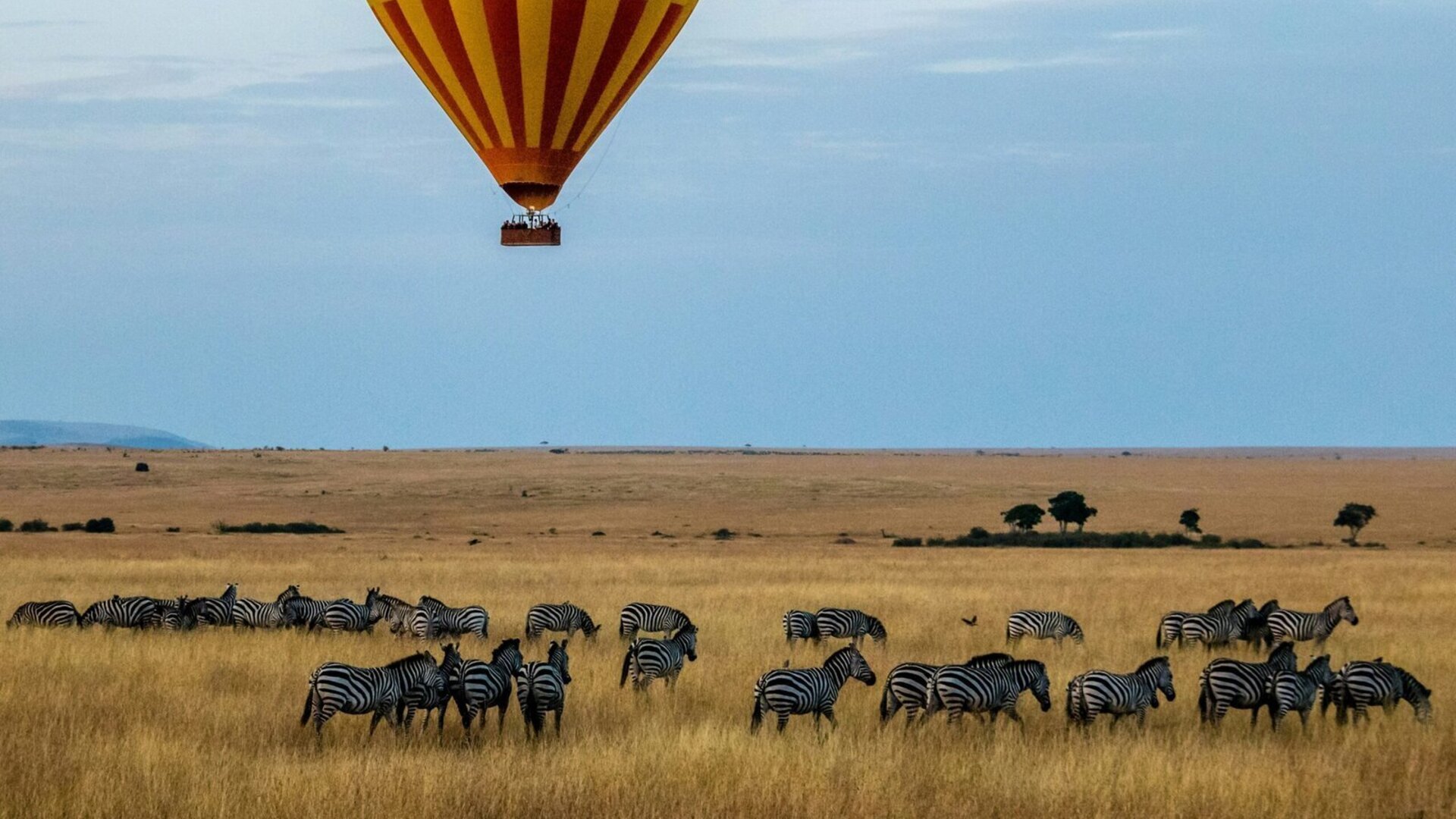
No account of Kenya's wildlife is complete without the Great Migration — the year-round movement of up to two million wildebeest, zebra and gazelle around the Serengeti-Mara ecosystem. Kenya's chapter of the story unfolds in the Masai Mara, where the herds arrive from the south and stage the phenomenon's most dramatic act: the Mara River crossings, when thousands of wildebeest plunge down the banks into crocodile-filled water in a churning, life-and-death spectacle.
The crossings peak from roughly July to October, though the exact timing shifts each year with the rains. This is the single most sought-after wildlife event on a Kenya safari, and being in the right sector of the Mara at the right time — with a guide who knows the crossing points — makes all the difference. Between crossings the herds graze the plains in vast numbers, drawing every predator in the ecosystem and turning the Mara into the most concentrated big-game arena in the country.
Because the migration deserves its own deep dive, we have dedicated guides to the phenomenon: read our great wildebeest migration safari in Kenya for the Kenya-wide picture, and when to visit Kenya on safari for month-by-month timing. The key point for a wildlife-first traveller: the migration is not one event but a moving spectacle, and where you stay must follow the herds.
Predators Beyond the Big Cats
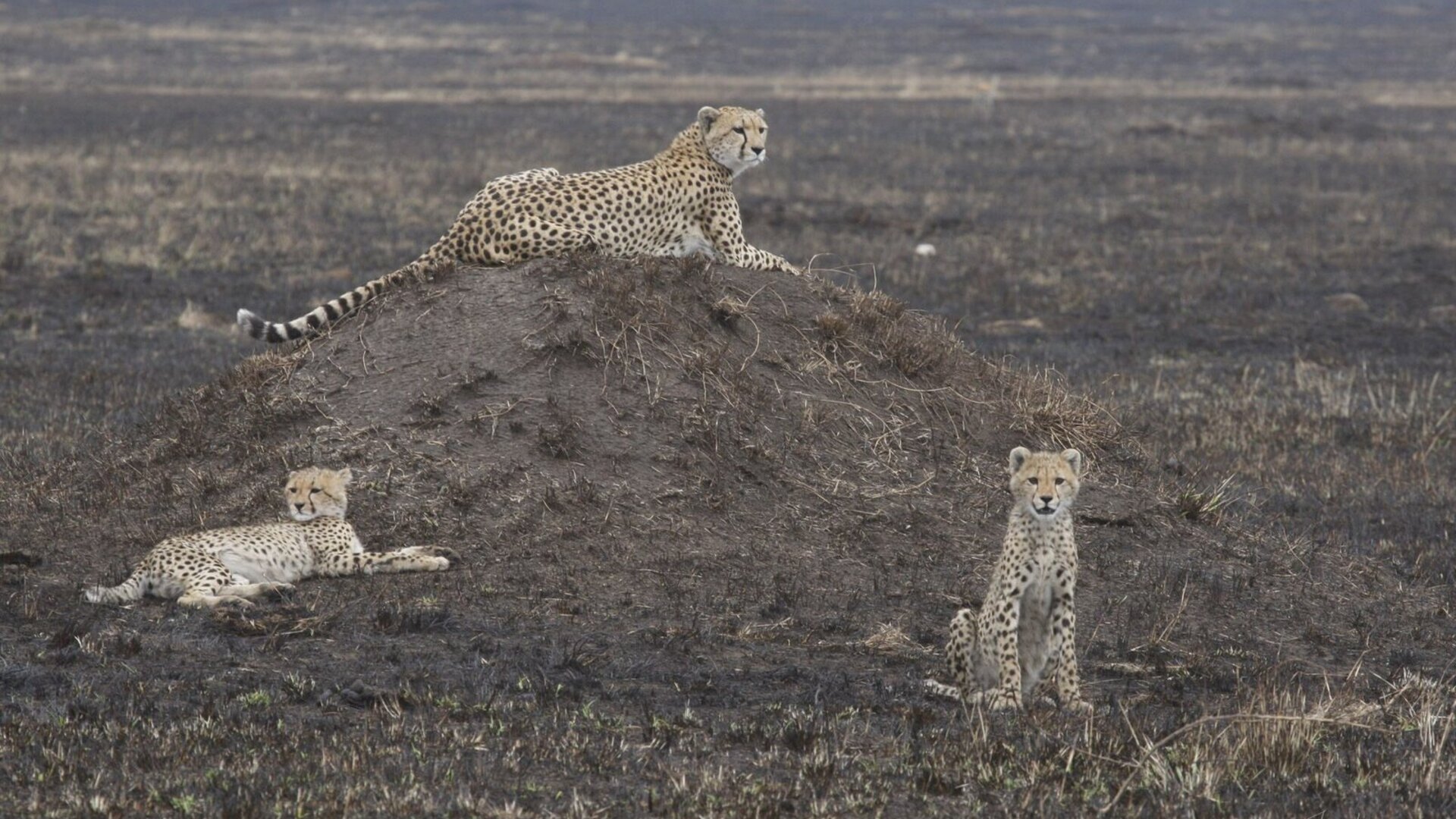
Kenya is a predator's kingdom, and its cast reaches well beyond the lion. The Mara's open plains are made for the cheetah, the fastest land animal, which uses the short-grass country to run down gazelle in broad daylight — some of the best cheetah viewing in East Africa. Leopards haunt the riverine woodlands of the Mara, Samburu and Laikipia, most reliably along the tree-lined watercourses where they drape over branches through the heat of the day.
Then there is the animal that seasoned safari-goers travel for: the endangered African wild dog, the painted wolf. Driven from much of its former range, it survives in strength on the Laikipia plateau, where conservancy conservation has given the packs room to roam — watching a pack set off on a hunt at first light is one of Africa's great wildlife privileges. Spotted hyena — far more hunter than scavenger — complete the guild, and the arid north adds two elusive smaller cats, the caracal and the serval, for those with sharp eyes and patient guides.

Rhinos & the Samburu Special Five
Two of Kenya's greatest wildlife stories play out away from the migration crowds. The first is rhino conservation. Ol Pejeta Conservancy on the Laikipia plateau is the flagship — the largest black rhino sanctuary in East Africa, home to both black and white rhino and to the world's last two northern white rhinos, protected around the clock. Lake Nakuru National Park is another dependable rhino destination with both species, and the Masai Mara holds a small, carefully guarded black rhino population. Tracking rhino on foot at Ol Pejeta is among the most profound wildlife encounters in the country.
The second is the Samburu Special Five — five dry-country species of the arid north that you rarely see elsewhere in Africa: the endangered Grevy's zebra with its fine, narrow stripes; the geometrically patterned reticulated giraffe; the blue-legged Somali ostrich; the extraordinary gerenuk, an antelope that stands on its hind legs to browse; and the beisa oryx. Seen alongside elephant, lion and leopard in the rugged beauty of Samburu National Reserve, they make the north a compelling counterpoint to the Mara and a highlight for any serious wildlife traveller.

Birds — 1,100+ Species
Even travellers who arrive for the big cats leave converts to Kenya's birdlife. More than 1,100 species have been recorded, a roll call that runs from the surreal to the spectacular. The Rift Valley soda lakes — above all Lake Nakuru and Lake Bogoria — can turn pink with tens of thousands of lesser and greater flamingos. The African fish eagle calls over the lakes, the stately secretary bird and the enormous kori bustard stride the plains, and the grey crowned crane — Uganda's national bird but common here too — steps elegantly through the grass.
The Mara alone hosts hundreds of species, from lilac-breasted rollers to a rich cast of raptors, while the highland forests of the Aberdares and Mount Kenya hold specials found nowhere on the plains. The green seasons — the short rains of November and the long rains of April and May — bring palearctic migrants and resident birds in full breeding colour. A good guide will turn even a Big Five safari into an unexpected birding masterclass.

The Best Parks for Wildlife
Where you go decides what you see. Each of Kenya's great parks has its own wildlife signature — this is how to match the animals you most want to the right place. For a full ranking and profile of every reserve, see our top national parks in Kenya guide; for where to sleep, our pick of the best Kenya safari lodges.
| Park | Star Wildlife | Best For |
|---|---|---|
| Masai Mara | Migration herds, lion, cheetah, leopard | The migration and big-cat action on rolling plains |
| Amboseli | Elephant super-herds, big tuskers | Iconic elephants beneath Mount Kilimanjaro |
| Samburu | The Special Five, leopard, elephant | Rare northern species and arid-country drama |
| Ol Pejeta / Laikipia | Black & white rhino, wild dog | Rhino stronghold and conservation on foot |
| Lake Nakuru | Rhino, flamingos, Rothschild's giraffe | Rhino and birdlife in one compact park |
| Tsavo (East & West) | Red-dust elephants, lion, big herds | Vast, wild space away from the crowds |
| Meru | Rhino sanctuary, elephant, "Born Free" country | Wild, uncrowded and off the beaten track |
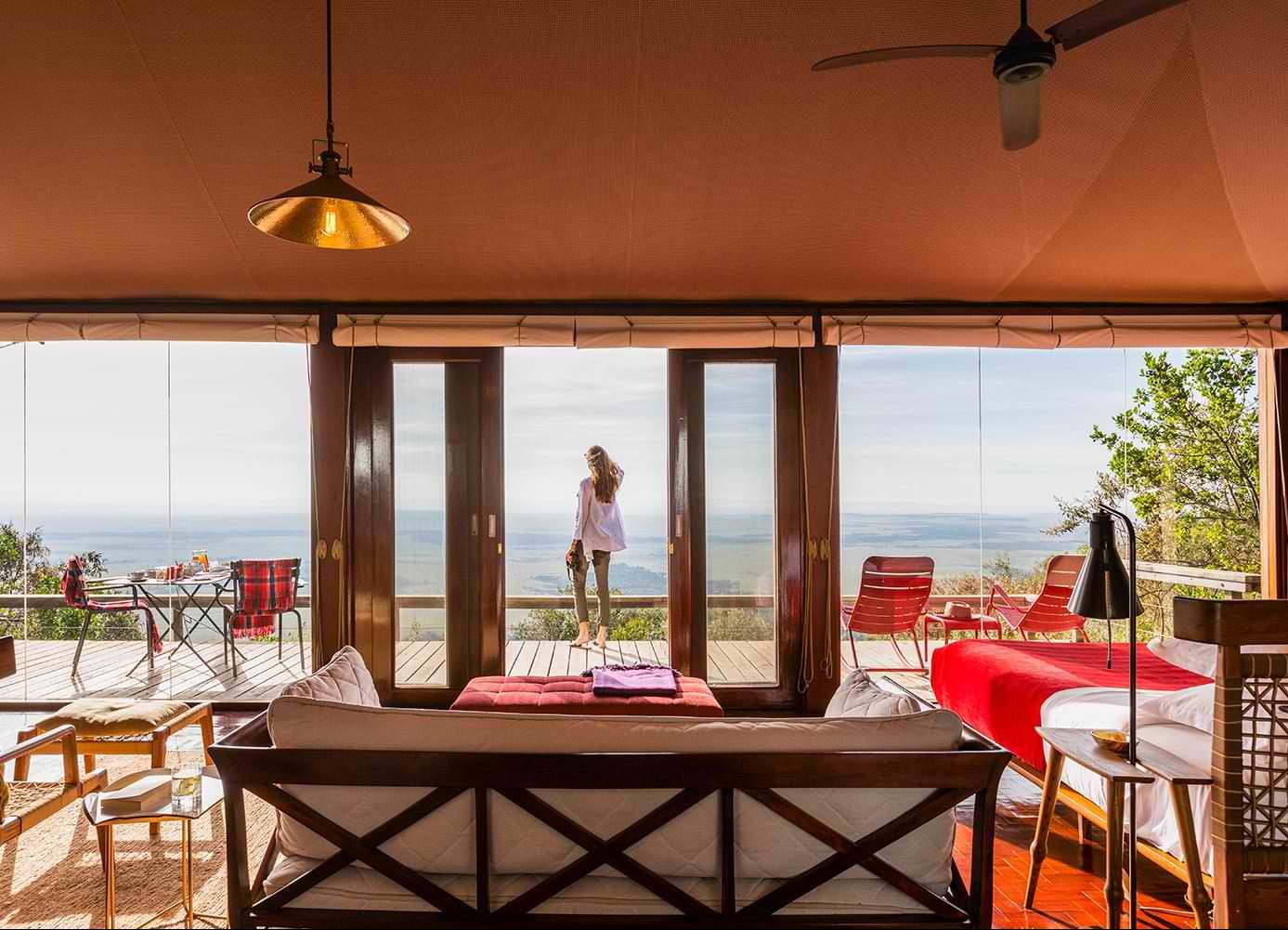
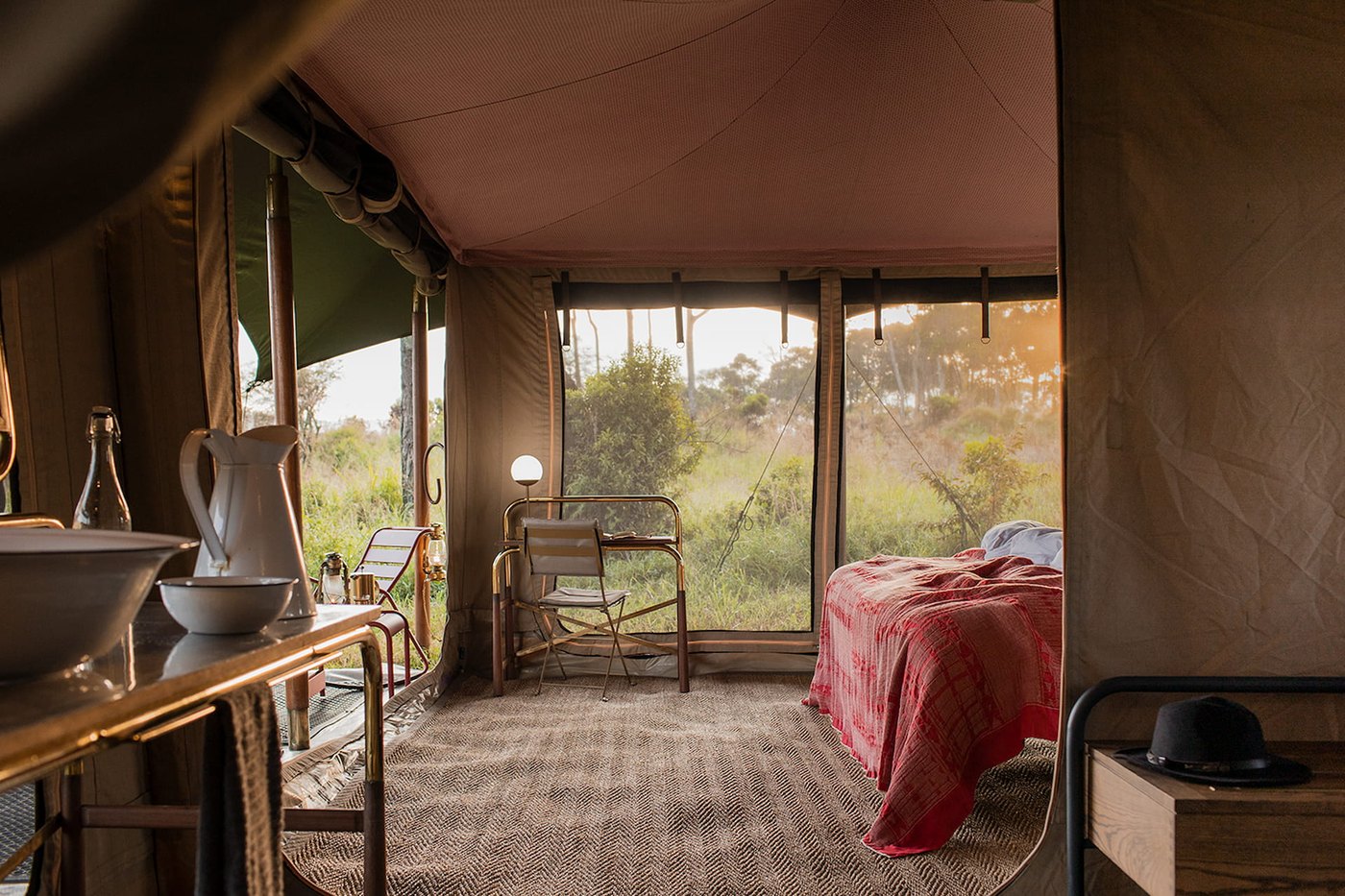
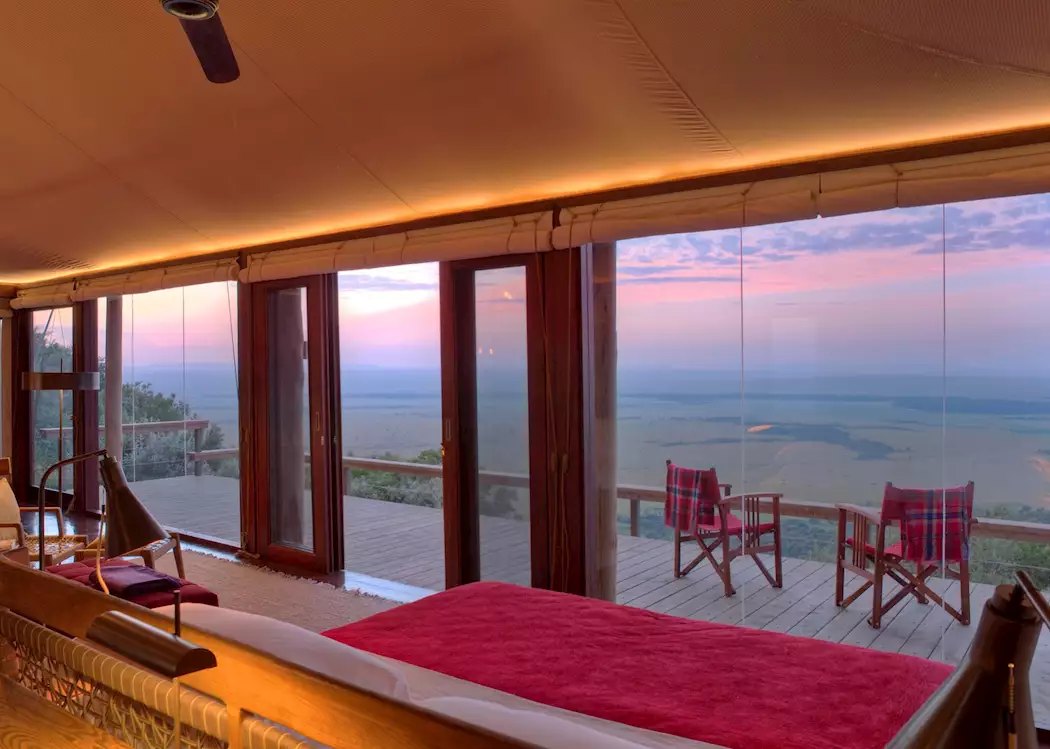
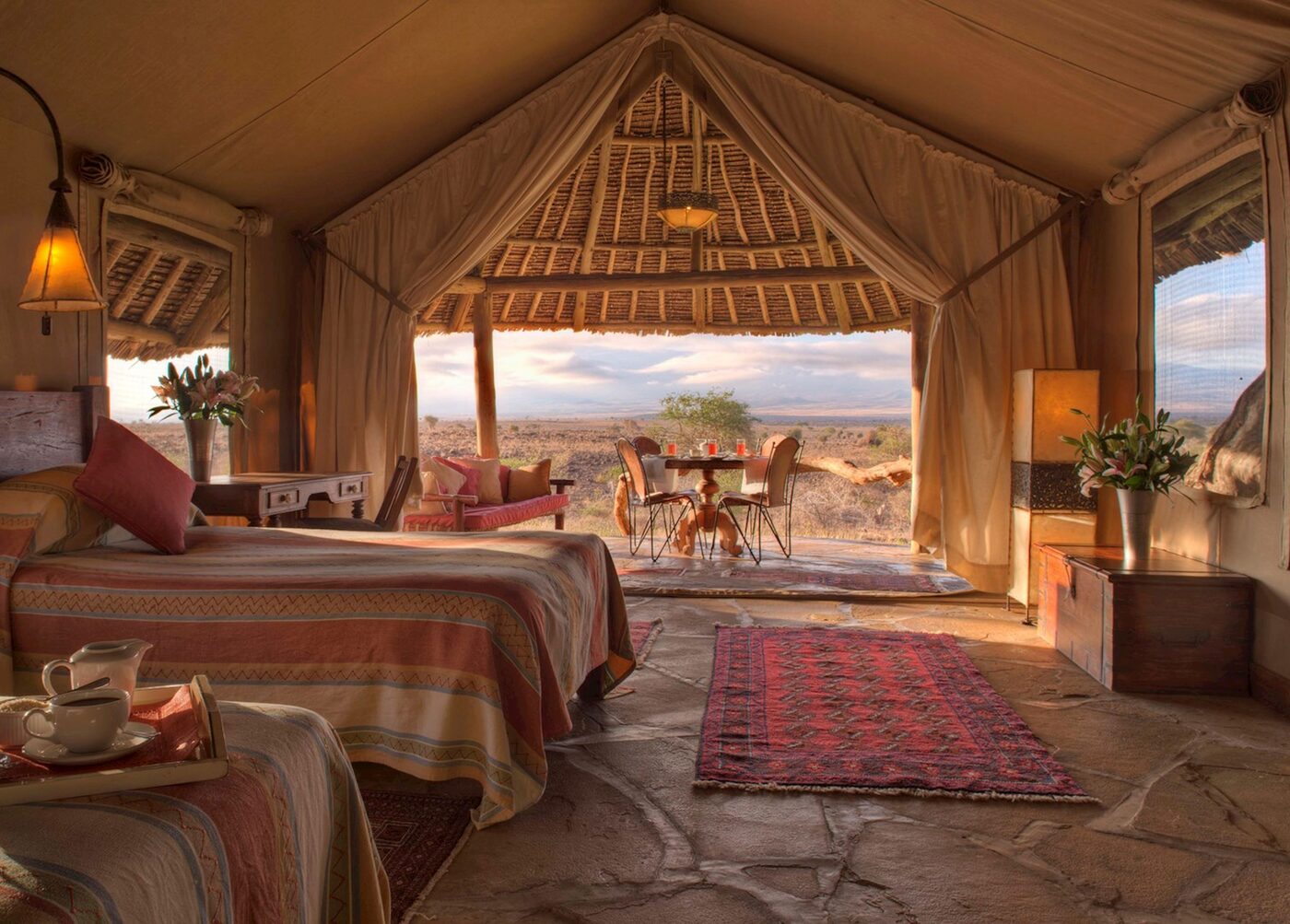
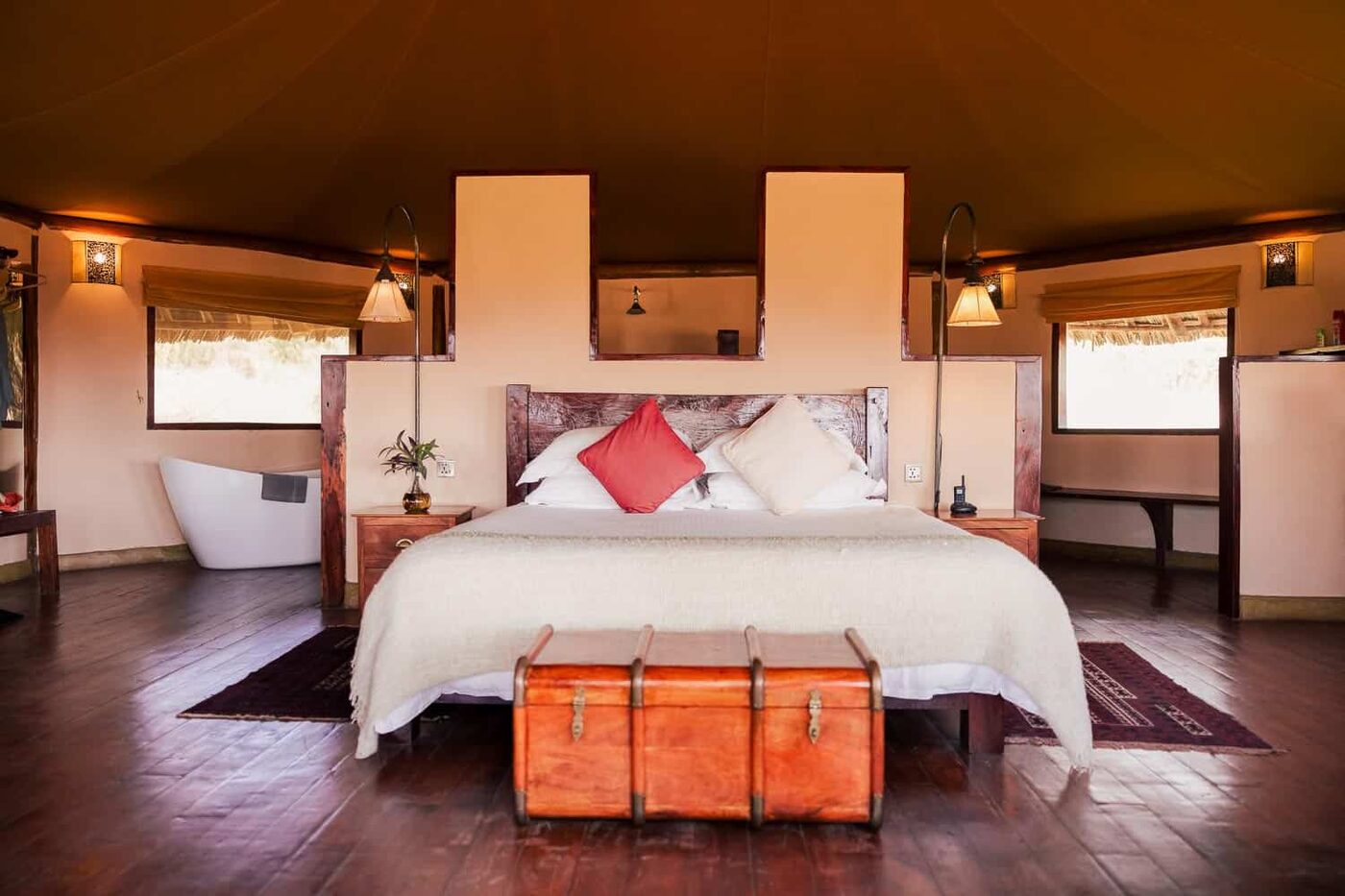
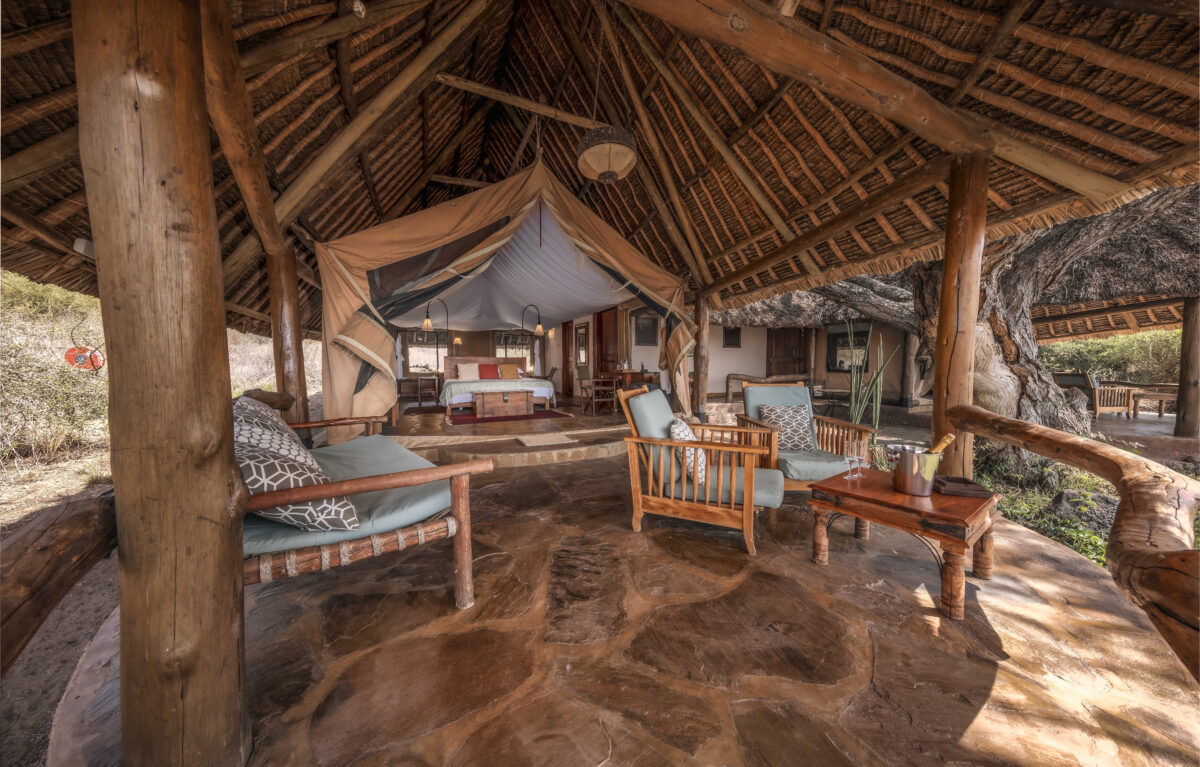
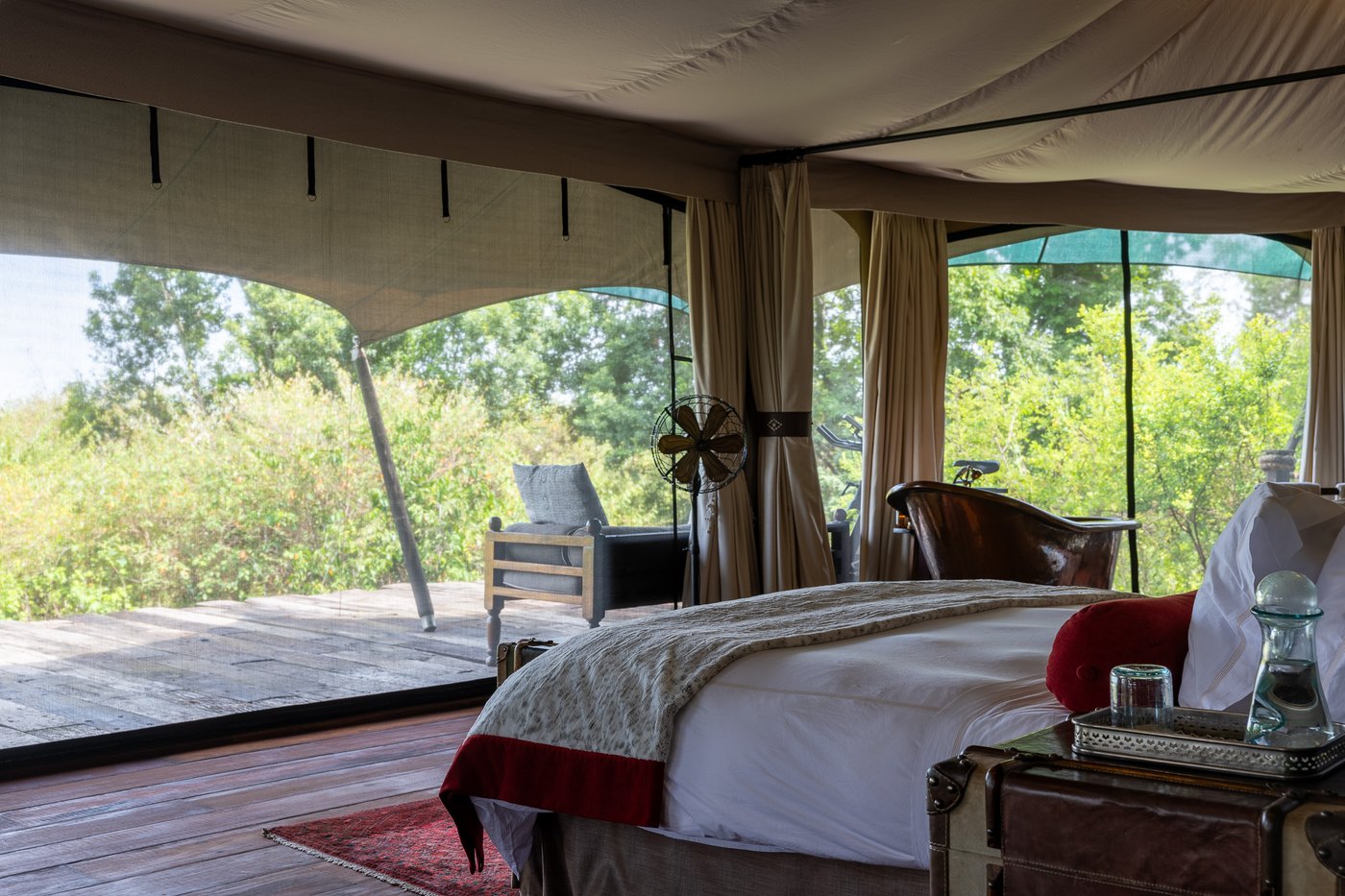
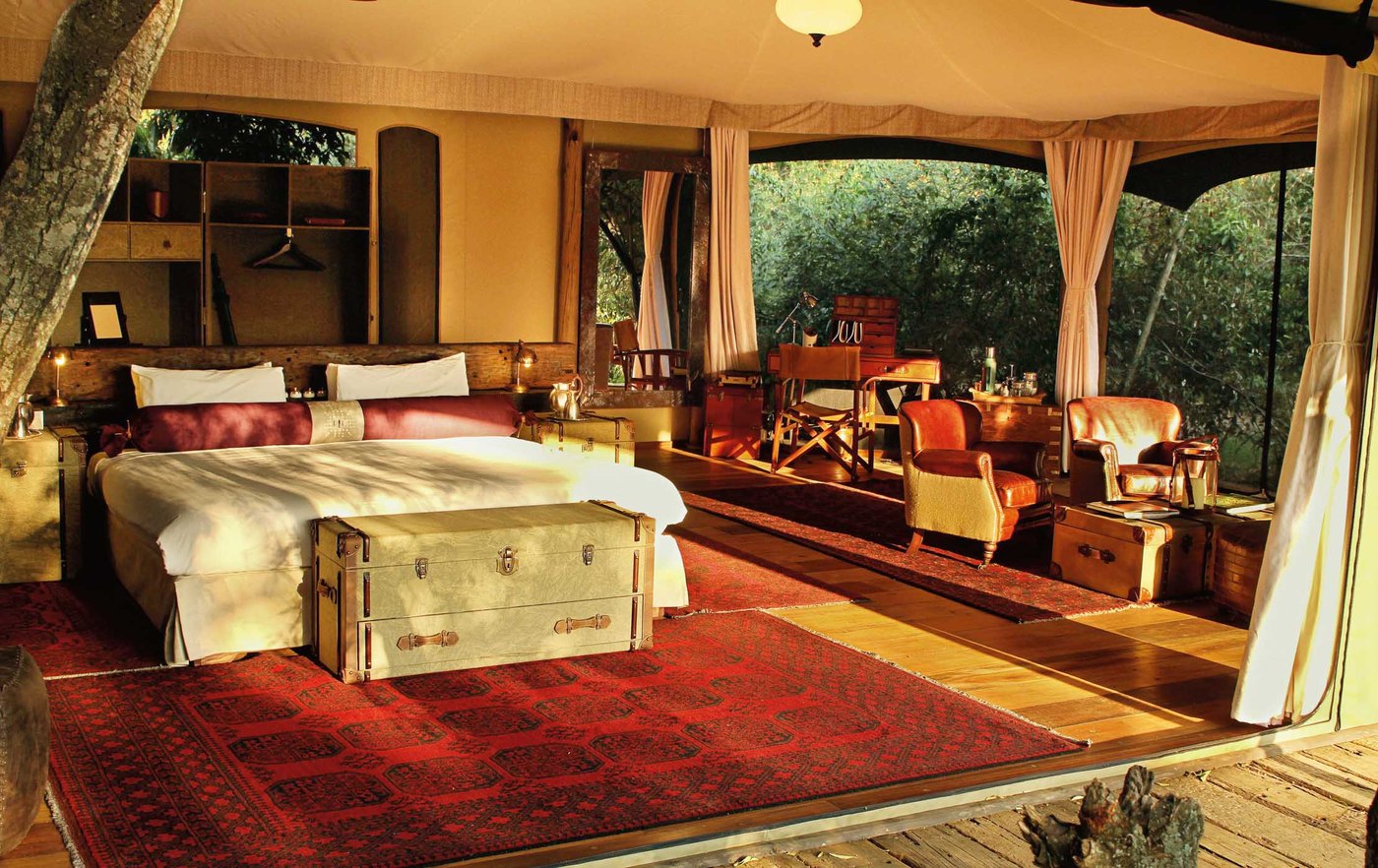
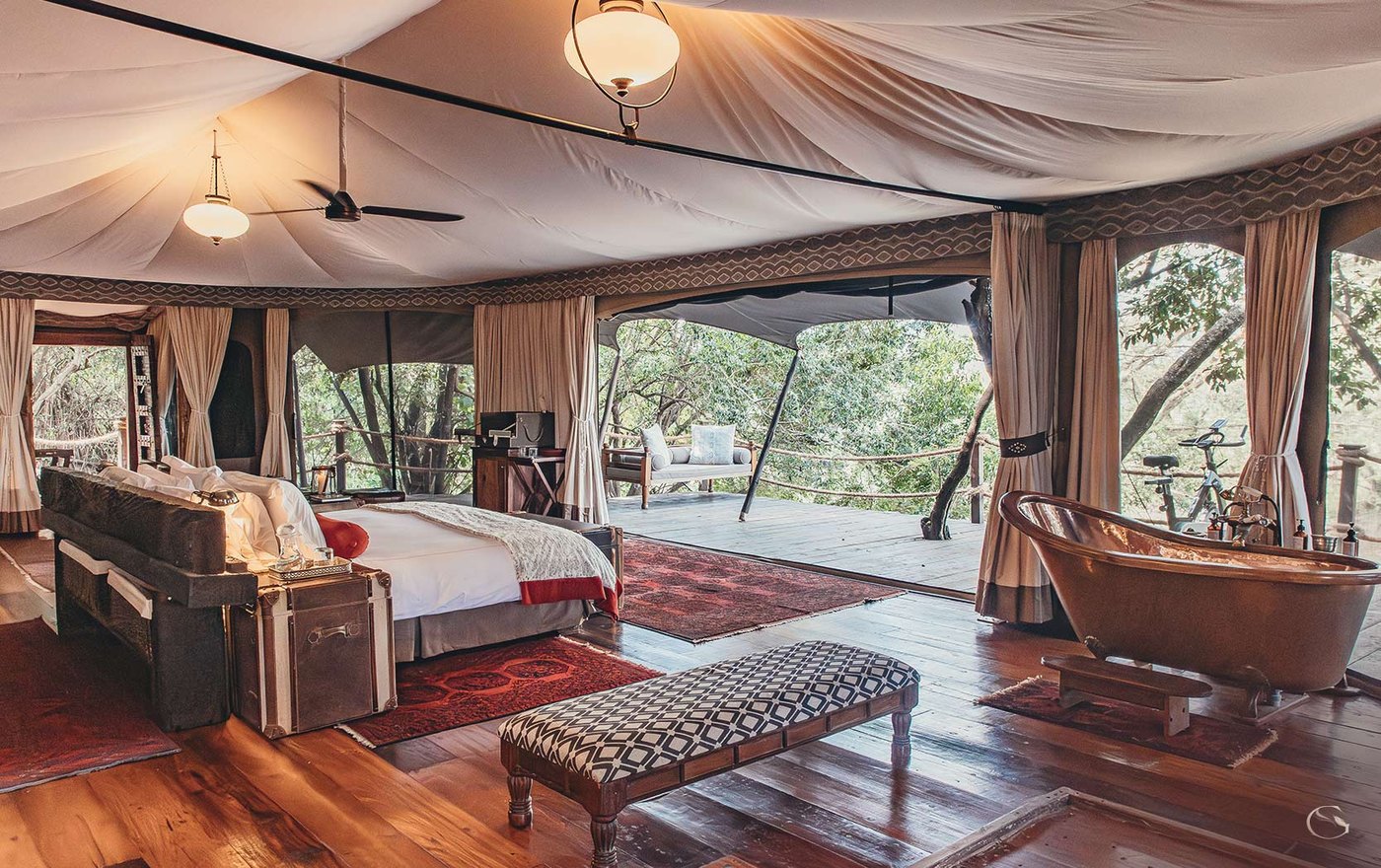
Where to stay in the heart of the wildlife
Being close to the animals means staying in the right place at the right time — on the edge of a migration crossing, over an elephant-filled swamp, or deep in a private conservancy where the game never stops. These three camps span the range, from a cliff-top eyrie above the Mara to a classic Amboseli tented camp beneath Kilimanjaro and an ultra-luxury conservancy hideaway.

When to See What — A Wildlife Calendar
Kenya is a year-round wildlife destination, but the season shapes the spectacle. Use this calendar to time your safari to the animals and events you most want to witness. For a deeper look at seasonal trade-offs, see our guide to when to visit Kenya on safari.
| Season | Wildlife Highlight | Where to Be |
|---|---|---|
| Jan–Mar (dry) | Excellent all-round game viewing; clear Kilimanjaro views; calving | Amboseli, Tsavo, Masai Mara |
| Apr–May (long rains) | Lush landscapes, newborns, superb birding, empty parks | Masai Mara, Laikipia, Amboseli |
| Jun (shoulder) | Green plains fading to gold; migration herds building in the south | Masai Mara, Laikipia conservancies |
| Jul–Oct (dry) | Mara River crossings; peak dry-season game viewing | Masai Mara, Samburu, Ol Pejeta |
| Nov–Dec (short rains) | Migratory birds arrive; green plains; fewer crowds; good value | Masai Mara, Amboseli, Lake Nakuru |
Two constants override the calendar: Amboseli delivers elephants and, on clear mornings, its unforgettable Kilimanjaro backdrop for much of the year, and the rhino sanctuaries of Ol Pejeta and Lake Nakuru reward a visit in any season. Whatever your dates, there is a wildlife spectacle waiting.
Wildlife Experiences — Beyond the Day Drive
The classic game drive is only one way to meet Kenya's wildlife. The richest safaris — especially in the private conservancies that ring the Mara, Laikipia and Amboseli — mix in experiences that change your vantage point entirely:
- Night drives in private conservancies reveal a nocturnal cast — genet, civet, bushbaby, aardvark, serval and hunting lions rarely seen by day.
- Walking safaris in Laikipia and the Mara conservancies bring you to the small things the vehicle passes: tracks, dung, birds and the electric feeling of being on foot in big-game country.
- Rhino tracking on foot at Ol Pejeta lets you approach one of the planet's most endangered animals with expert rangers — a conservation experience as much as a wildlife one.
- Hot-air balloon safaris over the Masai Mara at dawn lift you above the herds for a bird's-eye view of the plains, finishing with a champagne bush breakfast.
- Horseback safaris across the Laikipia plateau let you ride quietly among plains game the way the first explorers did.
These experiences are exactly the kind of detail a specialist weaves into a private Kenya safari, tailoring each day to the wildlife you most want to see and how you want to see it.

Wildlife Photography on a Kenya Safari
Kenya is one of the most photogenic wildlife destinations on earth, and a few choices make an enormous difference to your images. The light is everything: the golden hours just after sunrise and before sunset transform the plains, so the best photographers are out at first light and stay out late. Amboseli offers the most iconic composition in African photography — elephants framed against the snows of Kilimanjaro — best captured on the clear mornings of the dry season, while the open Mara gives big cats a clean backdrop and, in season, the raw drama of a river crossing.
Practical advice for the wildlife photographer: bring a long lens (a 100–400mm or 200–600mm covers most situations), pack a beanbag for steadying shots on the vehicle door, shoot at a high enough shutter speed to freeze movement during a hunt or a crossing, and request a private vehicle so you control the position and can wait for the moment. For a full technique breakdown, see our safari photography guide, and for capturing the herds specifically, our Great Migration photography guide.
Planning Your Kenya Wildlife Safari
The secret to a great wildlife safari is to build the trip around the animals, not the map. Decide which species matter most to you — the migration, the Big Five, rhino, the Special Five, big cats, birds — then let those choices drive the parks and the timing. A wildlife-first plan almost always means fewer parks, more nights in each, a private guide and vehicle, and camps positioned where the action is.
A realistic wildlife safari runs four to five days at a minimum for the Masai Mara, seven to eight to add Amboseli or Samburu, and ten or more for a fuller circuit taking in rhino country and the flamingo lakes. For honest, up-to-date budgets see our guide to how much a Kenya safari costs, and for the full trip-planning picture, our ultimate Kenya travel guide.
When you are ready, we build every journey privately and tailor it to the wildlife you have come to see. Explore the Masai Mara destination guide, browse our Kenya safari tours, use the trip planner, or contact our specialists for a tailor-made quote. Kenya's wildlife is waiting — let us put you in the right place, at the right time, for the sighting of a lifetime.