Key Takeaways
- Tanzania is the richest big-game country in Africa — all of the Big Five, the largest predator populations on the continent, and the two-million-strong Great Migration.
- The Ngorongoro Crater is the single best place to see the Big Five in one day; the Serengeti is the stage for the migration and the big cats.
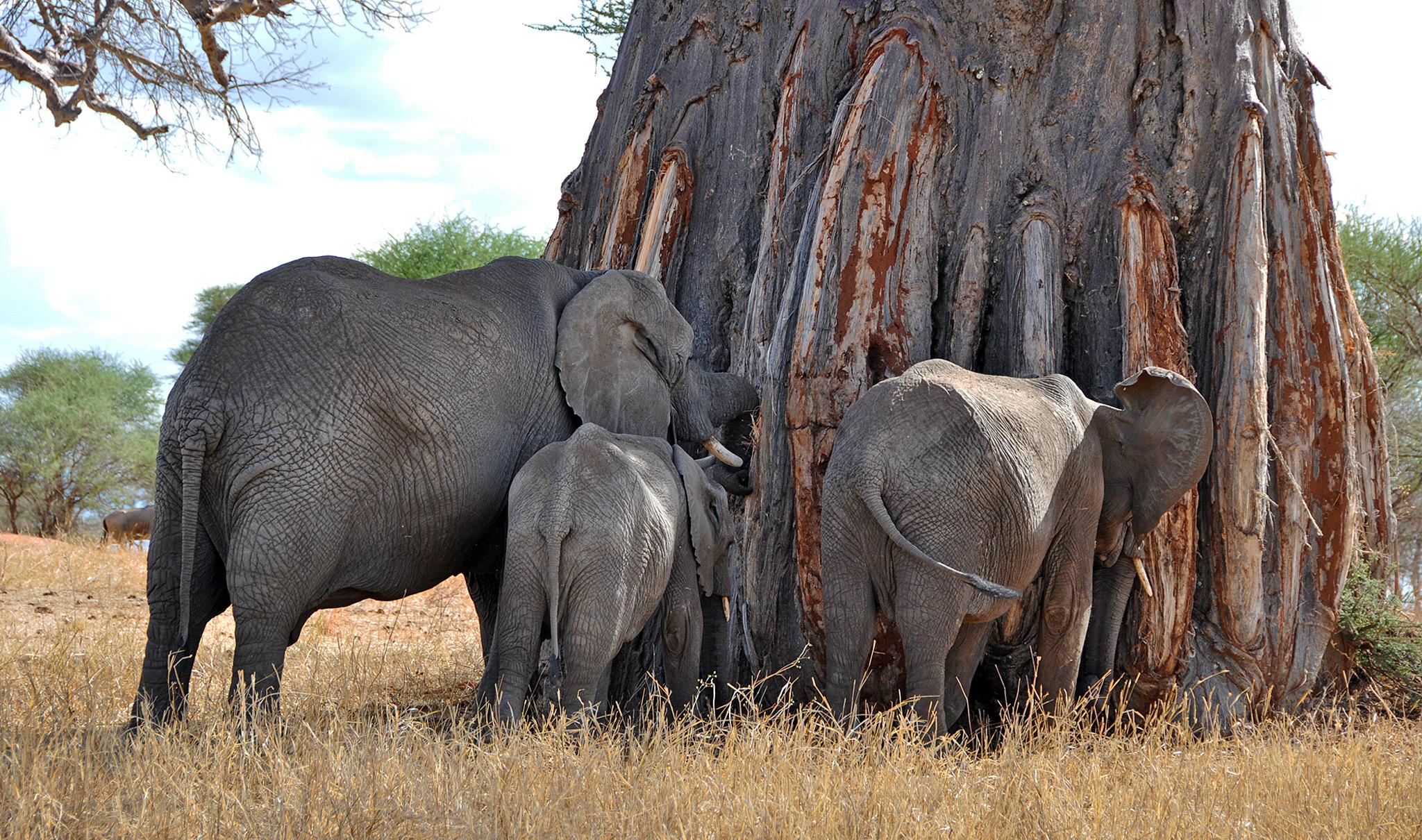
- Tarangire is elephant and baobab country, the southern parks (Ruaha, Nyerere) hold wild dogs and uncrowded predator action, and the western forests (Mahale, Gombe) are for wild chimpanzees.
- June–October concentrates animals at water; January–March is the Serengeti calving season and peak predator drama; the green months are best for birds and newborns.
- Six days covers the Serengeti and Ngorongoro; ten or more adds a specialist chapter such as chimps or wild dogs.
- Build the trip around the species you most want to see — this guide maps every headline animal to the right park and season.
Some countries have great wildlife. Tanzania is wildlife. Nowhere else on earth puts this much life in front of you: the endless Serengeti darkened by the columns of the Great Migration, the Ngorongoro Crater where 25,000 animals live inside the walls of a collapsed volcano, forests on the shore of Lake Tanganyika where wild chimpanzees still swing through the canopy, and vast southern reserves where painted wolves hunt at dawn. A Tanzania wildlife safari is not a single experience but a dozen, and the art is knowing which animal lives where, and when to be there.
This guide is built around the animals rather than the itinerary. If you want the full picture of how to structure a trip, our complete Tanzania safari tours guide and ultimate Tanzania travel guide cover packages, logistics and costs in depth. Here, we go species by species — what Tanzania does best, where to find it, and the season that turns a good sighting into an unforgettable one.

Tanzania's Wildlife at a Glance
Tanzania protects more of its land for wildlife than almost any nation on earth — roughly a third of the country is national parks, game reserves and conservation areas. The result is scale that is hard to imagine until you are inside it. The Serengeti ecosystem alone spans some 30,000 square kilometres and supports the last great terrestrial migration on the planet. The northern circuit strings together the Serengeti, Ngorongoro, Tarangire and Lake Manyara within a few hours of one another. The southern wilds of Ruaha and Nyerere are so vast you can drive for a day and see no one. And out west, cut off by the Rift, lie the chimpanzee forests of Mahale and Gombe.
What sets Tanzania apart is not just the star species but the numbers. This is a country of superlatives: the highest lion density in Africa, the largest elephant herds in the north at Tarangire, one of the continent's strongest wild dog populations in the south, and a migration measured in the millions. For a traveller who has come to see animals, there is simply no richer canvas.
Quick Answer
A Tanzania wildlife safari delivers the Big Five (best combined in the Serengeti and Ngorongoro), the year-round Great Migration, Africa's highest predator densities, wild chimpanzees in the west, endangered wild dogs in the south, and more than 1,100 bird species. Six days sees the headline animals; ten or more adds a specialist chapter. Go June–October for concentrated dry-season game viewing, January–March for the calving season and predator drama.
The Big Five — Where to See Each One
The Big Five — lion, leopard, elephant, Cape buffalo and rhino — remain the benchmark of any wildlife safari, a term inherited from the old hunting era for the animals hardest and most dangerous to pursue on foot. On a modern Tanzania safari the only difficulty is the black rhino; the other four are seen regularly. The table below maps each to its best park and the timing that improves your odds.
| Big Five Animal | Best Parks in Tanzania | Best Time & Notes |
|---|---|---|
| Lion | Serengeti, Ngorongoro Crater, Ruaha | Year-round; Ruaha has Tanzania's highest density. Big prides on Serengeti kopjes. |
| Leopard | Serengeti (Seronera Valley), Lake Manyara, Nyerere | Dry season best; scan the sausage trees and acacias along rivers. |
| Elephant | Tarangire, Ruaha, Serengeti | June–October at Tarangire, when huge herds gather at the river. |
| Cape buffalo | Ngorongoro, Serengeti, Nyerere, Ruaha | Year-round; huge herds on the crater floor and the southern plains. |
| Black rhino | Ngorongoro Crater (best), northern Serengeti | Year-round but rare; the crater's protected population is your best chance. |
The single most efficient way to tick off the Big Five is to combine the Ngorongoro Crater — where lion, elephant, buffalo and the elusive black rhino share one 260-square-kilometre floor — with a few days in the Serengeti for leopard and the wider cast. For the full park-by-park breakdown of Tanzania's protected areas, see our guide to the top national parks in Tanzania.

The Great Migration
No account of Tanzania's wildlife is complete without the Great Migration — the year-round movement of up to two million wildebeest, zebra and gazelle around the Serengeti ecosystem in a vast, wheeling circle driven by the rains. It is the largest overland movement of animals left on the planet and the beating heart of a Tanzania wildlife safari.
The herds are always somewhere in the Serengeti, which is why timing your visit to the right sector matters more than the calendar. Roughly: the calving season plays out on the southern plains around Ndutu from late January to March, when over half a million calves are born in a matter of weeks and every predator in the ecosystem gathers for the feast. The herds then move north and west, with the Grumeti River crossings in the western corridor around May–July, and the famous Mara River crossings in the far north from around August to October before the circle turns south again.
Because the migration deserves its own deep dive, we have dedicated guides to the phenomenon: read the best time to see the Great Migration in Tanzania for month-by-month positioning, and pair it with the northern-circuit routing in our Tanzania northern circuit itinerary. The key point for a wildlife-first traveller: the migration is not one event but a moving spectacle, and where you stay must follow the herds.
Predators Beyond the Big Cats
Tanzania is a predator's kingdom, and its cast reaches well beyond the lion. The Serengeti's open plains are made for the cheetah, the fastest land animal, which uses the short-grass country of the south and the central plains to run down gazelle in broad daylight — the best cheetah viewing in East Africa. Leopards haunt the riverine woodlands, most reliably along the Seronera Valley, where they drape over the branches of sausage trees through the heat of the day.
Then there is the animal that seasoned safari-goers travel for: the endangered African wild dog, the painted wolf. Ruthlessly efficient pack hunters, they were driven from much of their former range but survive in strength in Tanzania's south. Nyerere (formerly Selous) and Ruaha hold some of the largest remaining populations on the continent, and watching a pack set off on a hunt at first light is one of Africa's great wildlife privileges. Spotted hyena — far more hunter than scavenger — complete the guild, and their clans are a constant, fascinating presence around the migration.

Primates — Chimpanzees & More
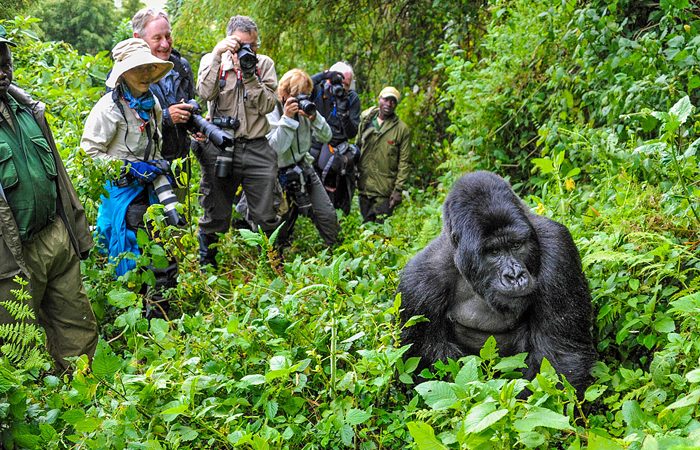
Away from the plains, Tanzania hides one of Africa's most profound wildlife encounters. On the forested shore of Lake Tanganyika — the world's longest and second-deepest freshwater lake — live communities of wild chimpanzees. Mahale Mountains National Park is the premier destination: around a thousand chimps in a dramatic setting where rainforest tumbles down to white-sand beaches and clear water. Reached only by light aircraft and boat, it is gloriously remote, and trekking to a habituated chimpanzee community — sitting quietly as they groom, feed and squabble a few metres away — is an encounter that stays with you for life.
Gombe Stream, further north on the same lake, is smaller but historic: this is where Jane Goodall began the research in 1960 that transformed our understanding of our closest relatives. Elsewhere across the country you will meet troops of olive baboon and vervet monkey, the acrobatic blue monkey in forest patches, and the black-and-white colobus. A chimp trek pairs superbly with a Serengeti safari for a trip that spans open plains and deep forest.

Birds — 1,100+ Species
Even travellers who arrive for the big cats leave converts to Tanzania's birdlife. More than 1,100 species have been recorded, a roll call that runs from the surreal to the spectacular. The Rift Valley soda lakes — Manyara, Natron and the crater's own lake — turn pink with tens of thousands of lesser and greater flamingos. The African fish eagle calls over the Rufiji and the Grumeti, the grey crowned crane steps through the crater grass, and the comically large southern ground hornbill patrols the plains.
Tarangire is a birding jewel in its own right, with hundreds of species including the yellow-collared lovebird and ashy starling. The western forests hold endemics found nowhere else, and the green season from November to April brings palearctic migrants and resident birds in full breeding colour. A good guide will turn even a Big Five safari into an unexpected birding masterclass.

The Best Parks for Wildlife
Where you go decides what you see. Each of Tanzania's great parks has its own wildlife signature — this is how to match the animals you most want to the right place. For a full ranking and profile of every reserve, see our top national parks in Tanzania guide; for where to sleep, our pick of the best Tanzania safari lodges.
| Park | Star Wildlife | Best For |
|---|---|---|
| Serengeti | Migration herds, lion, cheetah, leopard | The migration and big-cat action on endless plains |
| Ngorongoro Crater | Big Five incl. black rhino, flamingo | Big Five in a single day; unmatched density |
| Tarangire | Huge elephant herds, baobabs, birds | Dry-season elephants and prolific birdlife |
| Lake Manyara | Tree-climbing lions, flamingos, baboons | A scenic half-day of forest, lake and lions |
| Ruaha | Highest lion density, wild dog, elephant | Wild, uncrowded predator country in the south |
| Nyerere (Selous) | Wild dog, hippo, croc, waterbirds | Boat safaris and painted wolves on the Rufiji |
| Mahale Mountains | Wild chimpanzees | Chimp trekking in a forest-and-beach wilderness |
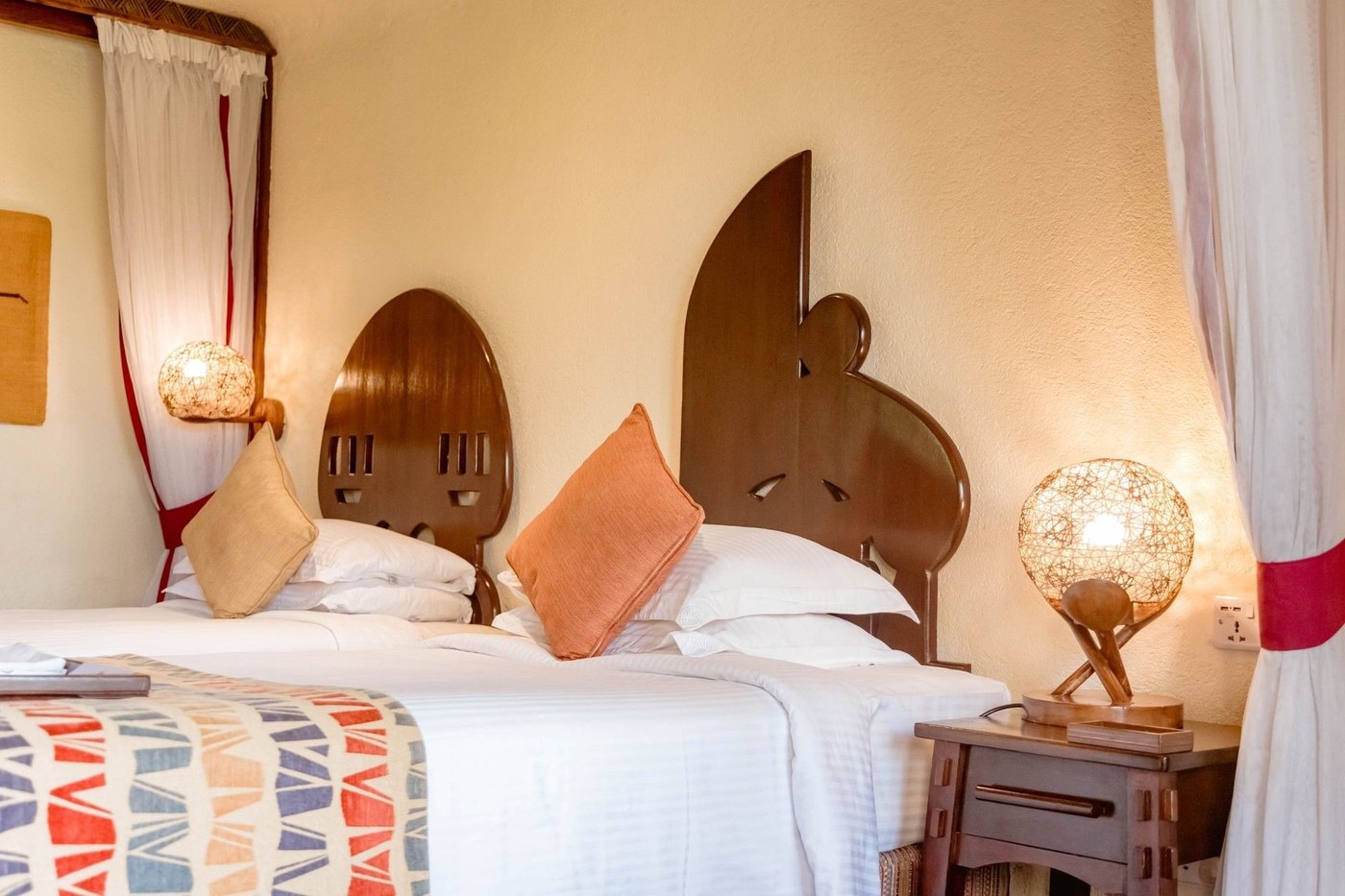
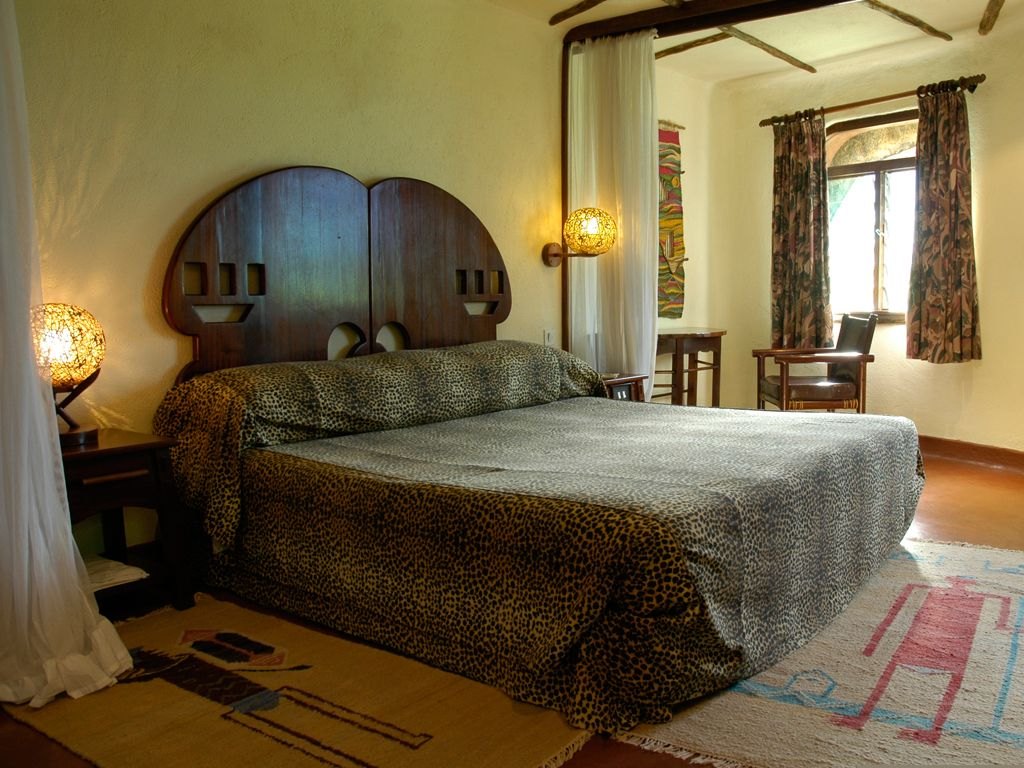
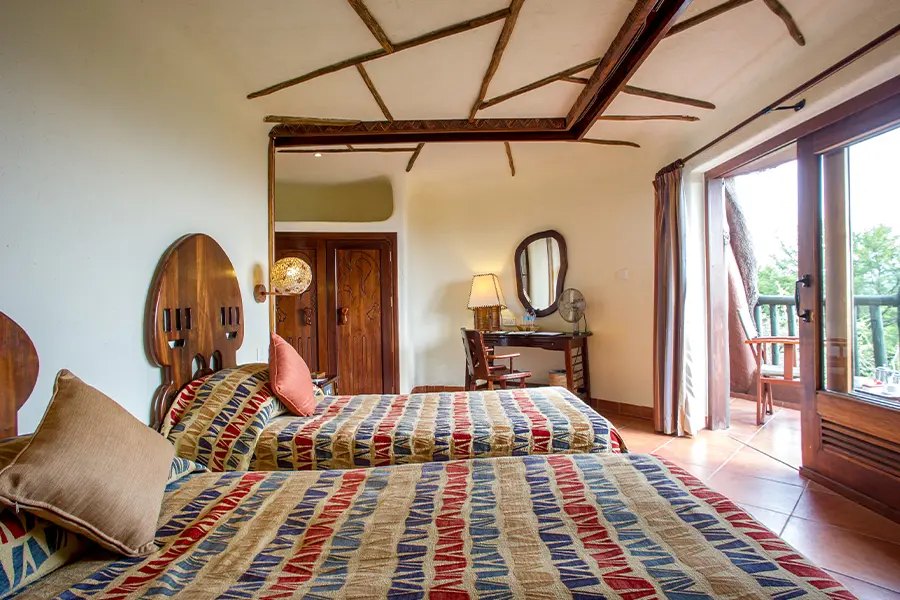
Where to stay in the heart of the wildlife
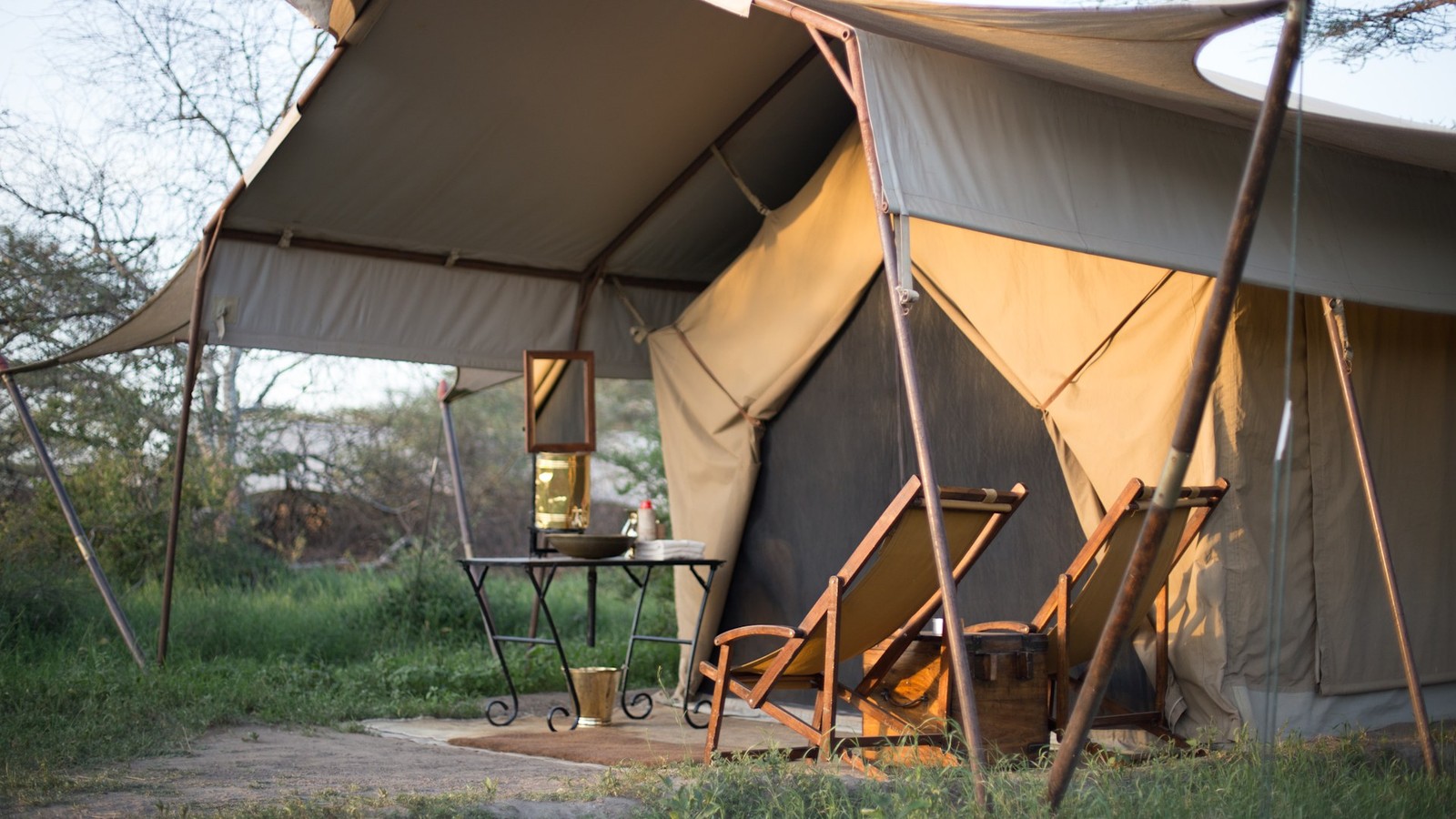
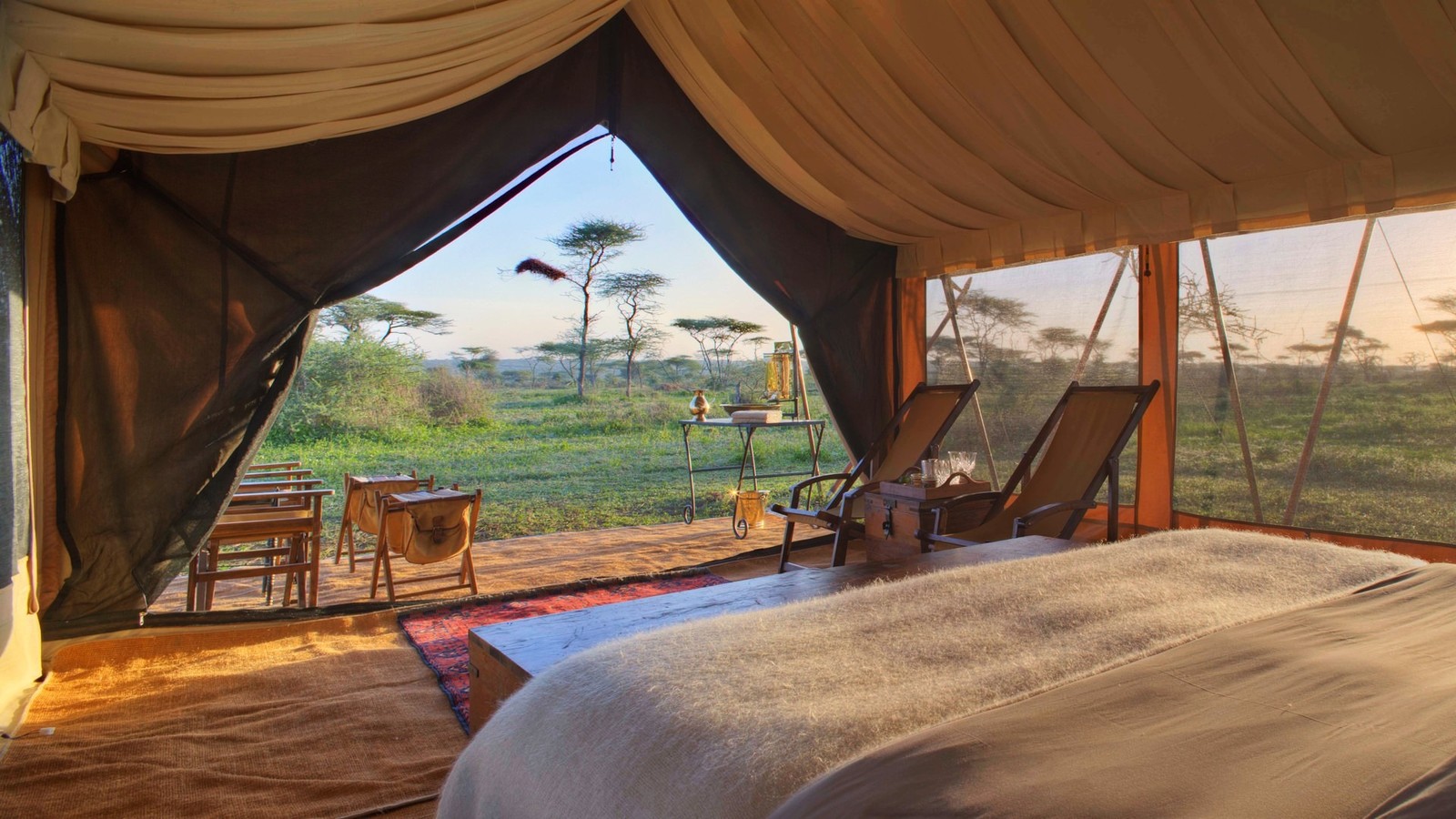
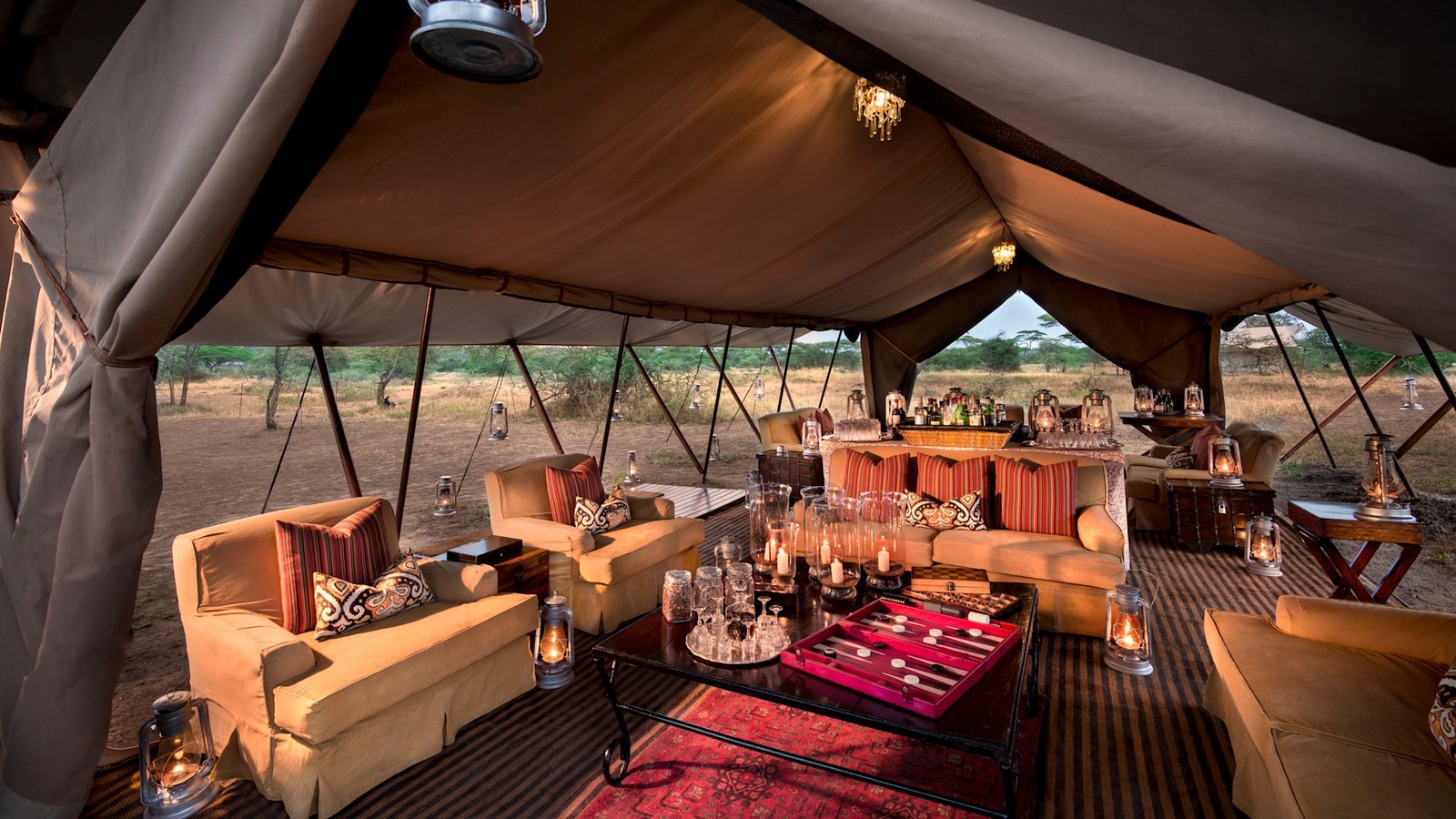
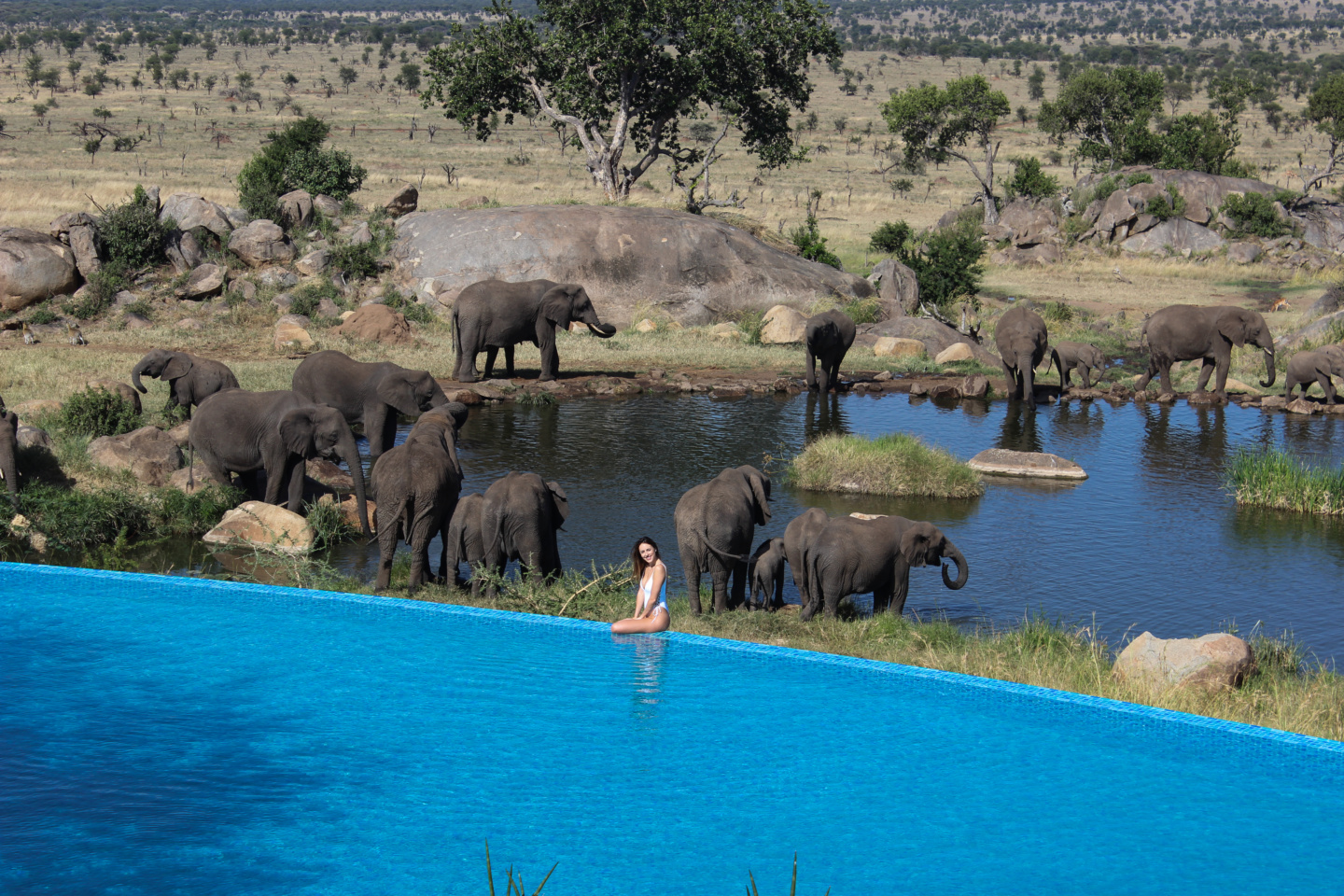
Being close to the animals means staying in the right place at the right time — in the central Serengeti for year-round game, or in a mobile camp that follows the migration. These three camps span the range, from classic comfort to a tented camp that moves with the herds to pure luxury over a resident elephant waterhole.
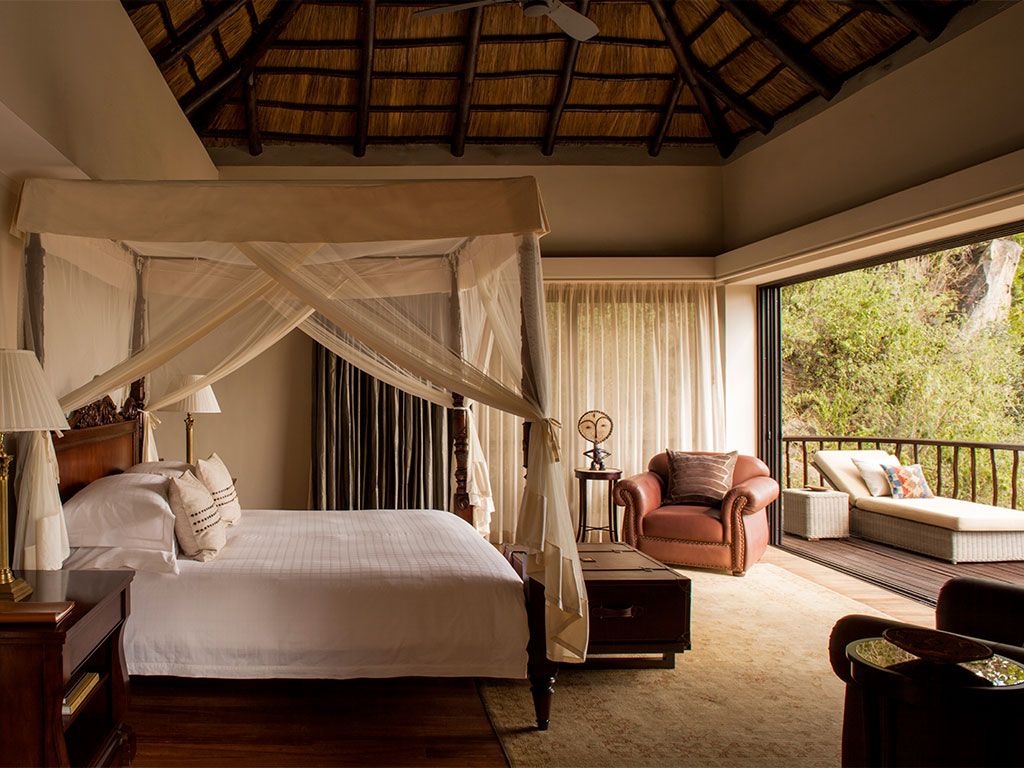
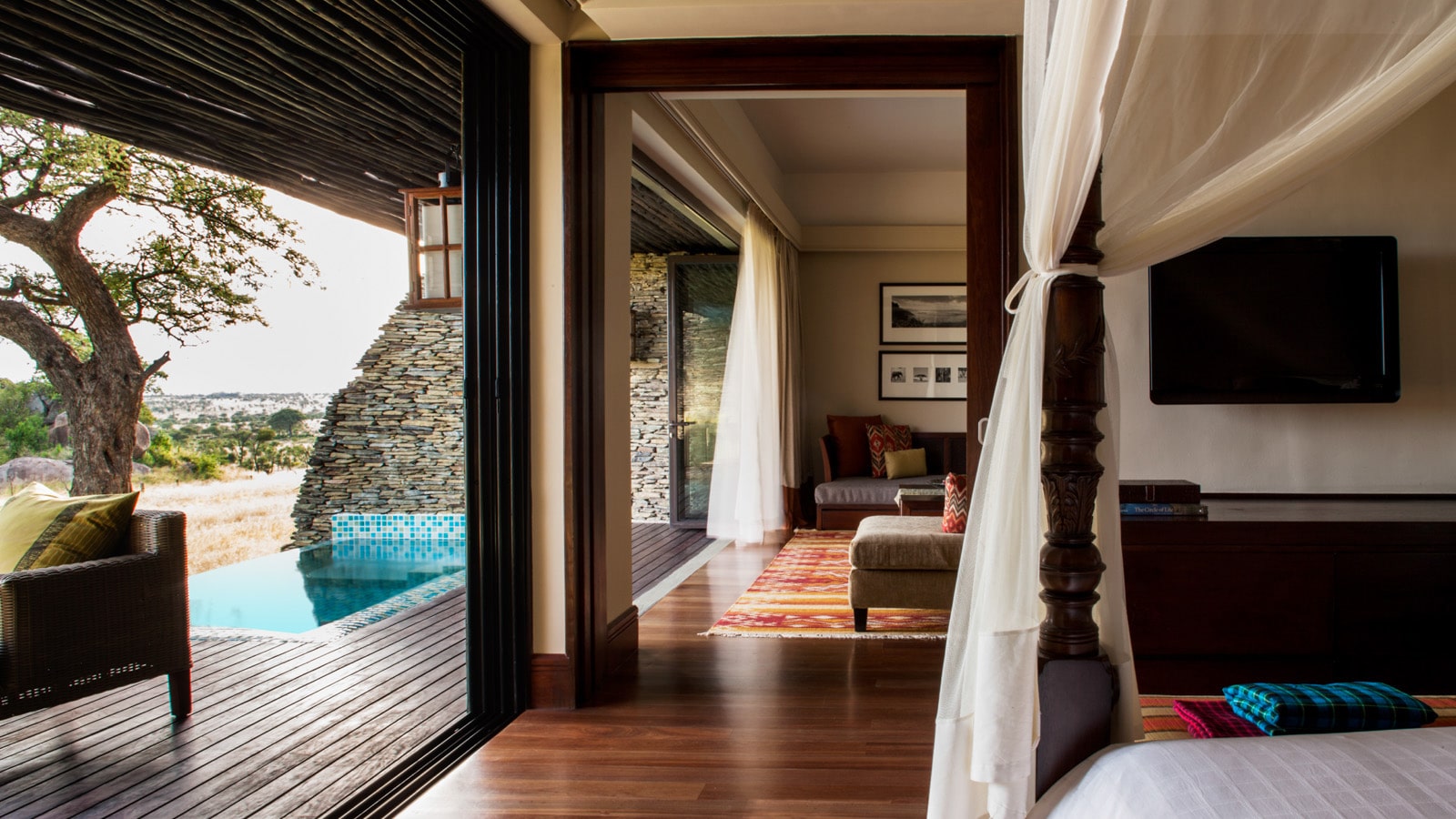

When to See What — A Wildlife Calendar
Tanzania is a year-round wildlife destination, but the season shapes the spectacle. Use this calendar to time your safari to the animals and events you most want to witness. For a deeper look at seasonal trade-offs, see our guide to when to visit Tanzania on safari.
| Season | Wildlife Highlight | Where to Be |
|---|---|---|
| Jan–Mar (green) | Calving season — 500,000 wildebeest born; peak predator action | Southern Serengeti / Ndutu plains |
| Apr–May (long rains) | Lush landscapes, newborns, superb birding, empty parks | Central Serengeti, Tarangire, southern parks |
| Jun–Jul (dry) | Grumeti River crossings; elephants gather at Tarangire | Western Serengeti, Tarangire |
| Aug–Oct (dry) | Mara River crossings; best all-round dry-season game viewing | Northern Serengeti, Ruaha, Nyerere |
| Nov–Dec (short rains) | Herds move south; migratory birds arrive; fewer crowds | Central & southern Serengeti, Ngorongoro |
Two constants override the calendar: the Ngorongoro Crater delivers the Big Five and extraordinary density all year, and chimpanzee trekking at Mahale is best in the drier months (roughly July–October) when the chimps range lower on the mountain. Whatever your dates, there is a wildlife spectacle waiting.
Wildlife Experiences — Beyond the Day Drive
The classic game drive is only one way to meet Tanzania's wildlife. The richest safaris mix in experiences that change your vantage point entirely:
- Night drives in private concessions bordering the parks reveal a nocturnal cast — genet, civet, bushbaby, aardvark and hunting lions rarely seen by day.
- Walking safaris in Ruaha, Nyerere and select northern concessions bring you to the small things the vehicle passes: tracks, dung, birds and the electric feeling of being on foot in big-game country.
- Boat safaris on the Rufiji River in Nyerere glide you past hippo pods, enormous crocodiles and thronging waterbirds — a completely different rhythm from the plains.
- Hot-air balloon safaris over the Serengeti at dawn lift you above the herds for a bird's-eye view of the migration, finishing with a champagne bush breakfast.
- Chimpanzee trekking at Mahale and Gombe is the ultimate primate encounter, on foot in the forest.
These experiences are exactly the kind of detail a specialist weaves into a private Tanzania safari, tailoring each day to the wildlife you most want to see and how you want to see it.

Wildlife Photography on a Tanzania Safari
Tanzania is one of the most photogenic wildlife destinations on earth, and a few choices make an enormous difference to your images. The light is everything: the golden hours just after sunrise and before sunset transform the plains, so the best photographers are out at first light and stay out late. The Serengeti's kopjes — those ancient granite outcrops — give lions and cheetahs a stage and a clean background, while the crater floor concentrates subjects at close range.
Practical advice for the wildlife photographer: bring a long lens (a 100–400mm or 200–600mm covers most situations), pack a beanbag for steadying shots on the vehicle door, shoot at a high enough shutter speed to freeze movement during a hunt or a river crossing, and request a private vehicle so you control the position and can wait for the moment. For a full technique breakdown, see our safari photography guide, and for capturing the herds specifically, our Great Migration photography guide.
Planning Your Tanzania Wildlife Safari
The secret to a great wildlife safari is to build the trip around the animals, not the map. Decide which species matter most to you — the migration, the Big Five, chimps, wild dogs, birds — then let those choices drive the parks and the timing. A wildlife-first plan almost always means fewer parks, more nights in each, a private guide and vehicle, and camps positioned where the action is.
A realistic wildlife safari runs six days at a minimum for the Serengeti and Ngorongoro, eight to nine to add Tarangire or Manyara, and ten or more for a specialist chapter such as Mahale's chimps or the wild south. For honest, up-to-date budgets see our guide to how much a Tanzania safari costs, and for the full trip-planning picture, our ultimate Tanzania travel guide.
When you are ready, we build every journey privately and tailor it to the wildlife you have come to see. Explore the Serengeti destination guide, browse our Tanzania safari tours, use the trip planner, or contact our specialists for a tailor-made quote. Tanzania's wildlife is waiting — let us put you in the right place, at the right time, for the sighting of a lifetime.