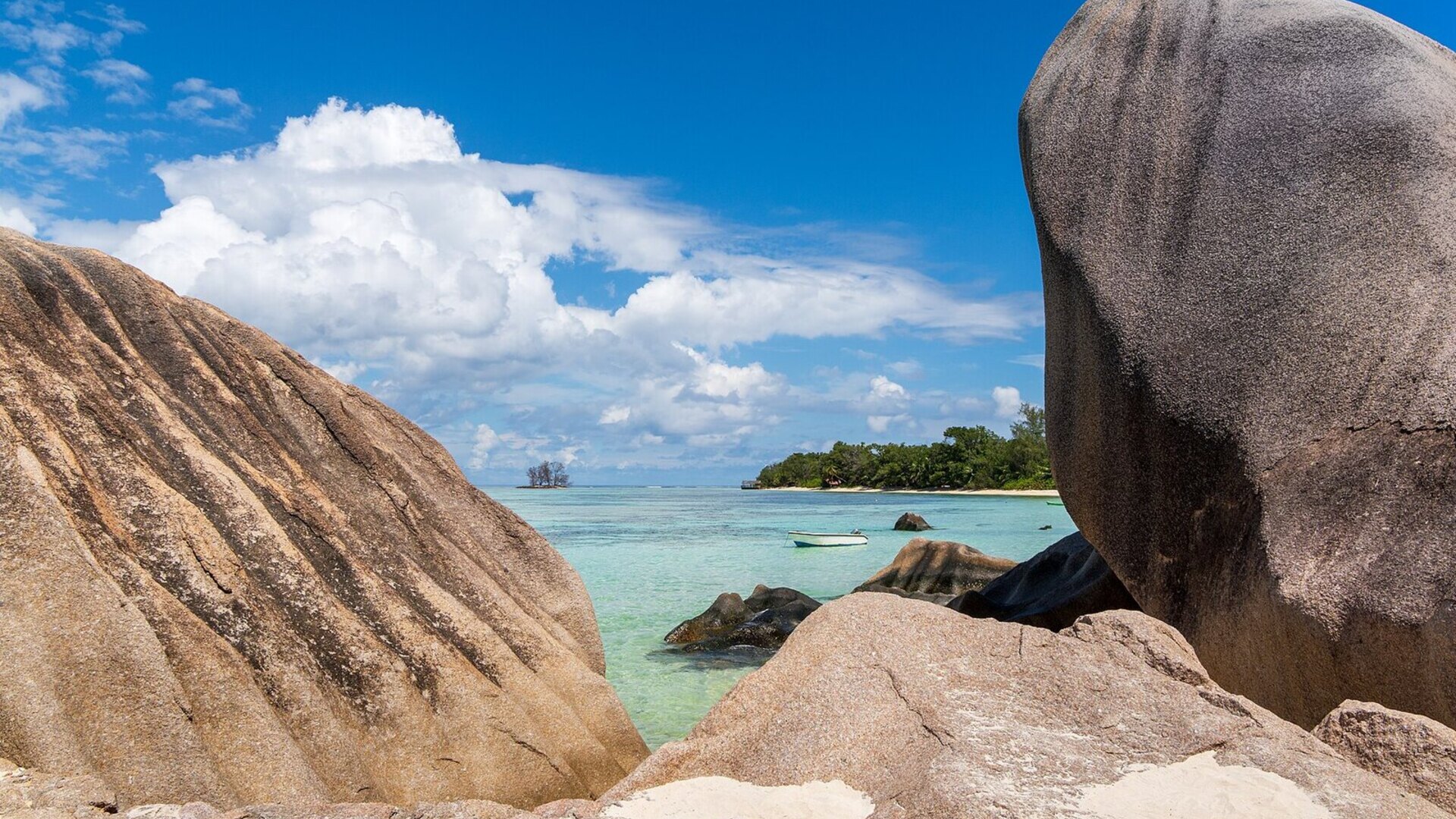
Mafia Island is the part of the Tanzanian coast that most beach brochures skip. It lies roughly 120 kilometres south of Zanzibar, off the mouth of the Rufiji River, and it trades the shops and crowds of the better-known islands for something plainer and older: a working fishing island wrapped around Tanzania's first marine park, with whale sharks offshore for half the year and reefs that serious divers rate among the best in East Africa.
If you want nightlife, a long menu of excursions and a big choice of hotels, Zanzibar is the better pick, and we say so plainly below. But if what you are after is quiet water, diving and snorkelling with real marine wildlife, and the feeling of being somewhere few other travellers reach, Mafia rewards the extra flight it takes to get there. This guide walks through the whale sharks, the diving, the seasons, where to stay, how to get there, and how Mafia stacks up against its louder neighbour.
- Whale sharks: October to March, peak November to February, off Kilindoni Bay. Snorkel-only, no scuba with the sharks.
- Diving: Mafia Island Marine Park is Tanzania's oldest, with 400-plus fish species and sites from calm Chole Bay to the drift walls of Kinasi Pass.
- Getting there: Fly from Dar es Salaam (30-40 min) or Zanzibar (45 min) with Coastal Aviation or Auric Air. The ferry route is slow and unreliable.
- Stay: 3-5 nights, mostly around Chole Bay. Lodges run from barefoot eco to comfortable dive resorts.
- Mafia or Zanzibar: Mafia for marine wildlife and seclusion; Zanzibar for variety, culture and easy access.
Why Mafia Island Is Different
Mafia is not a resort island with a few nature add-ons. It is a conservation area with a handful of lodges inside it. The whole of Chole Bay and the waters around the south-east of the island fall within the Mafia Island Marine Park, gazetted in 1995 as the first marine protected area in Tanzania. That status is the reason the reefs are in the shape they are, and it shapes the rhythm of a stay here: you pay a daily park fee, you dive and snorkel inside protected water, and the island stays low-rise and low-key because development is held in check.
The practical upshot for a visitor is simple. You come to Mafia for what is in the water and for the quiet. Days are built around tides and boat trips rather than a long list of land excursions. Evenings are early and dark. The island has one small town, Kilindoni, a paved spine road down to the lodges at Utende, and a scatter of fishing villages. It suits divers, snorkellers, honeymooners who want privacy, and anyone finishing a mainland safari who would rather decompress somewhere genuinely slow.
Where Mafia Island Is and How to Get There
Mafia sits in the Indian Ocean off southern Tanzania, roughly 120 kilometres south of Zanzibar and about 160 kilometres from Dar es Salaam. The main town, Kilindoni, is on the west coast and holds the airstrip, the market and the whale shark boats. Most lodges are 30 to 45 minutes away by road at Utende, on Chole Bay in the south-east, where the snorkelling and dive sites are close to shore.
The sensible way in is by light aircraft. Coastal Aviation and Auric Air both fly to Mafia:
- From Dar es Salaam: about 30 to 40 minutes. This is the most common route and connects with international arrivals at Julius Nyerere International Airport.
- From Zanzibar: about 45 minutes, which makes it straightforward to combine the two islands on one trip.
- From the Selous / Nyerere National Park: short hops are possible, which is why Mafia pairs so well with a southern-circuit safari.
There is a ferry and road option via Nyamisati — four to five hours of road from Dar followed by a boat crossing of several hours — but schedules are weather-dependent and unreliable, and it is not a route we recommend for most itineraries. On the island itself, the Kilindoni-to-Utende road is paved, and you get around by lodge transfer, tuk-tuk or boda-boda (motorbike taxi).
Swimming with Whale Sharks off Mafia Island
The whale sharks are the single biggest reason first-time visitors choose Mafia. Unlike many places where sightings are a matter of luck, Mafia has a resident-feeding aggregation that returns to the same stretch of water off Kilindoni Bay each year, drawn by seasonal plankton blooms near the Rufiji outflow. In peak months, boats often find several animals in a morning.
| Period | Whale sharks | Notes |
|---|---|---|
| October – March | Present | Main season; numbers build through the period. |
| November – February | Peak | Most reliable sightings and calmest conditions. |
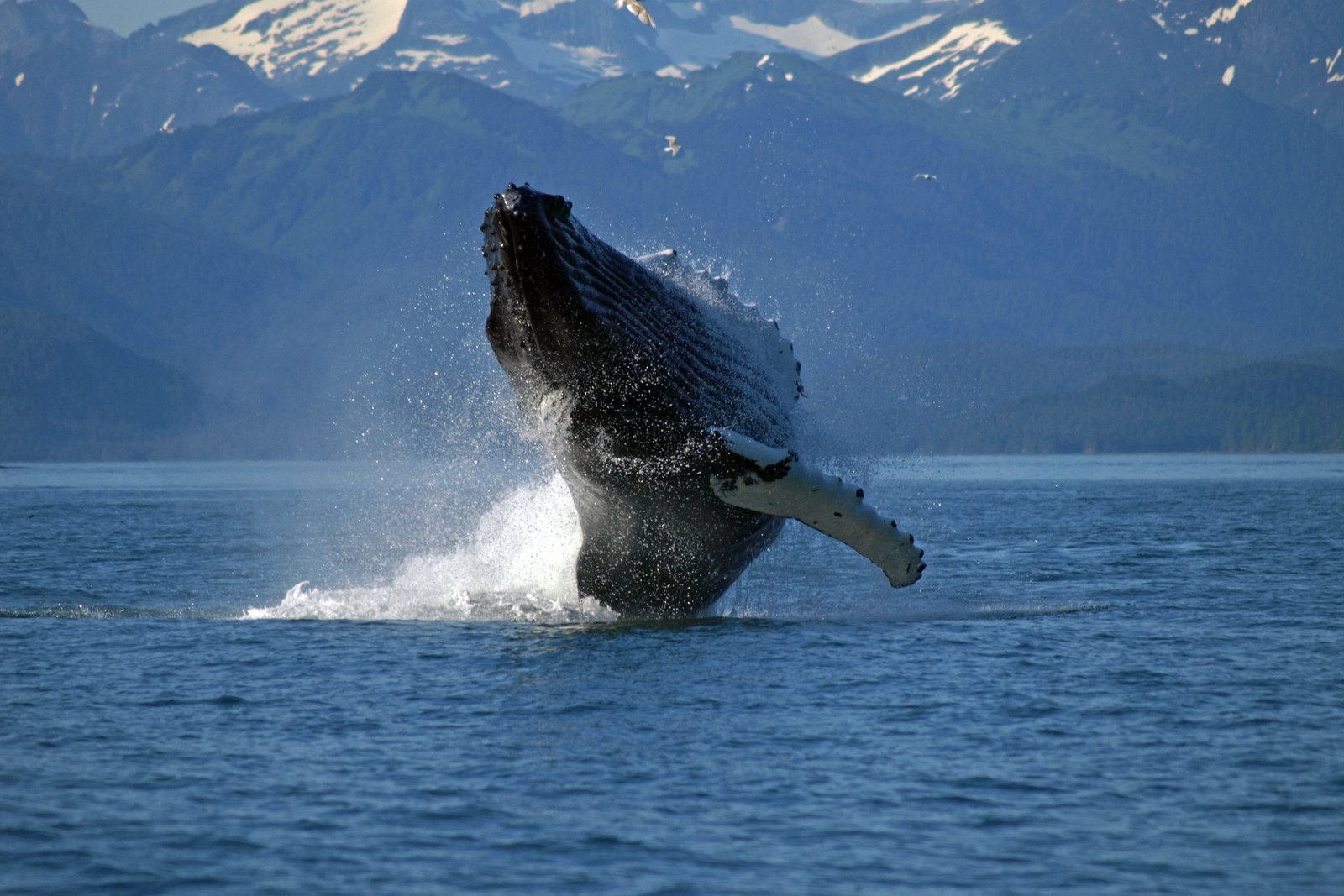
| April – September | Largely absent | Off-season; focus shifts to diving and, July–September, humpback whales. |
A few things are worth knowing before you book a trip:
- It is snorkel-only. Scuba diving with the whale sharks is not permitted at Mafia. You enter the water from the boat with mask, snorkel and fins and swim alongside the animals at the surface.
- You need to be a confident swimmer. Trips run in open water and you may be in and out of the boat several times. You do not need a diving qualification, but you should be comfortable swimming without touching the bottom.
- The rules protect the animals. No touching or riding, keep a respectful distance, do not block their path, and no flash photography. Reputable operators brief this clearly and cap the number of swimmers in the water at once.
- Mornings are best. Trips usually leave early when the sea is flattest and the sharks are feeding near the surface.
Choose an operator that follows the marine park guidelines rather than one chasing the animals hard. A calm, patient boat gives you longer, better encounters and does right by a protected species.
Diving the Mafia Island Marine Park
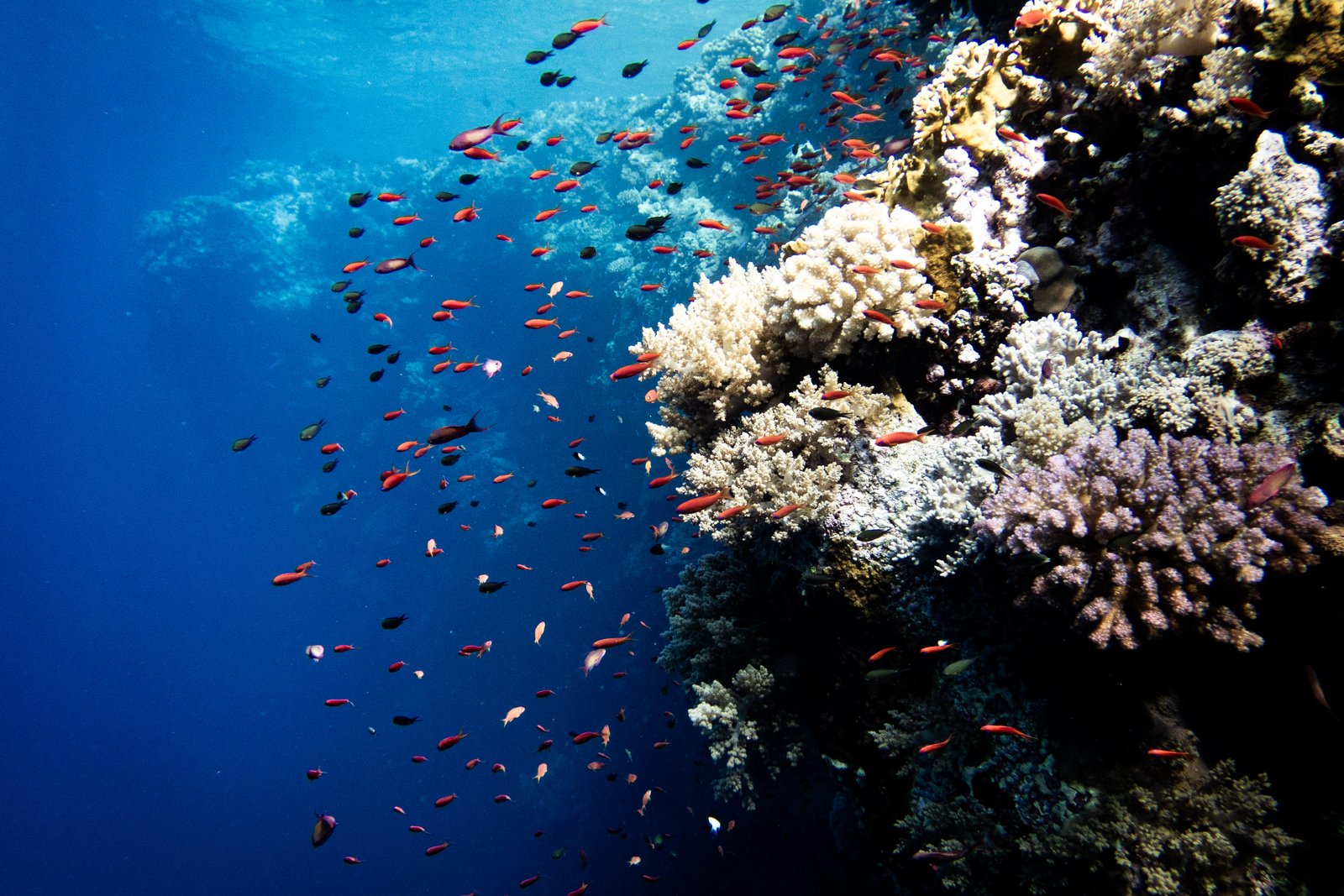
Mafia earns its reputation underwater. The marine park protects more than 400 species of fish and some 50 genera of coral across reefs, walls, passes and seagrass beds, and the diving holds up for everyone from first-timers doing a check dive in Chole Bay to experienced divers working the drift sites. Because much of the diving is inside the sheltered bay, conditions are often forgiving, and the sites are a short boat ride from the Utende lodges.
The headline dive sites include:
- Chole Bay: calm, shallow and ideal for training, check dives and relaxed reef dives. The nursery conditions mean plenty of juvenile fish and easy snorkelling straight off the boat.
- Kinasi Pass: the channel where the bay meets the open ocean, known for drift dives and bigger fish on the moving water — groupers, snapper, trevally and the occasional reef shark.
- Dindini Caves and Walls: outer-reef diving with overhangs, swim-throughs and dramatic drop-offs on the ocean side.
- Macro sites around the bay: for those who like the small stuff — nudibranchs, frogfish and seahorses on the quieter reefs.
Diving at Mafia is tide-dependent. The bay empties and fills through the day, so dive schedules work around high tide when visibility and access are best. Your dive centre sets the timetable by the tide chart rather than the clock, which is part of the island's unhurried rhythm. Several lodges have their own dive operations, and PADI courses from beginner to advanced are available if you want to qualify or progress while you are here.
One housekeeping note: everyone entering the protected area pays the marine park conservation fee, roughly USD 20 to 24 per adult per day, usually by card at the gates. It funds the park that keeps the reefs healthy, so treat it as part of the cost of the diving.
Best Time to Visit Mafia Island
Mafia has two dry windows and one wet one, and the marine wildlife follows its own calendar on top of that. Here is how the year breaks down:
| Period | Conditions | Highlights |
|---|---|---|
| June – October | Dry, cooler, good visibility | Strong diving; humpback whales pass offshore July–September. |
| November – February | Hot, mostly dry | Whale shark peak; warm, calm seas; turtle activity. |
| March – May | Long rains, humid | Quietest and greenest; some lodges reduce operations or close. |
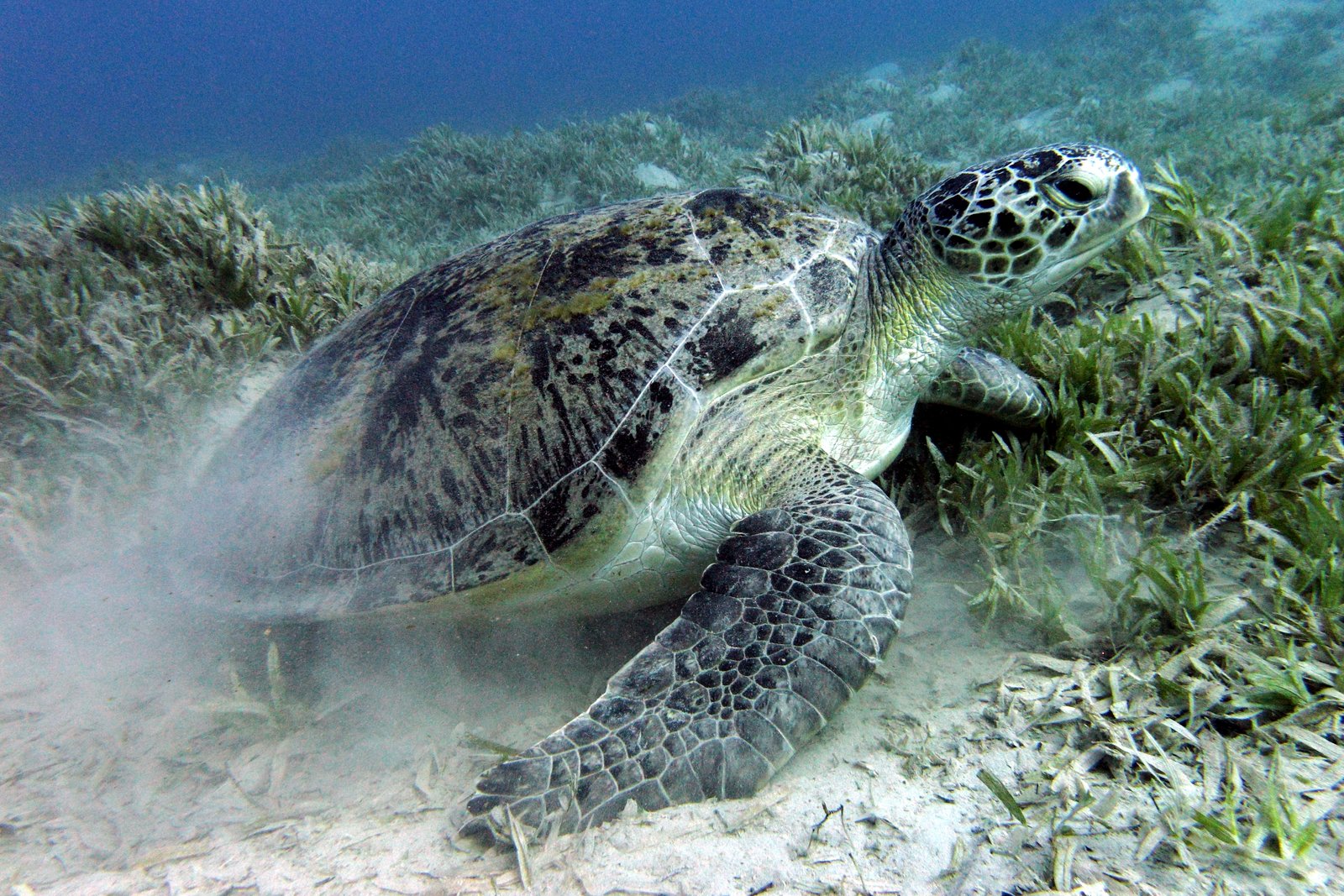
If the whale sharks are your priority, aim for November to February. If you are coming mainly to dive and would like cooler, drier weather with a chance of humpbacks, June to October is excellent. Green turtles nest and hatch on Juani Island within the archipelago, and your lodge can tell you whether a hatching is likely during your stay. The long rains of March to May bring the lushest island and the fewest visitors, but check lodge opening dates before you plan around that window.
Where to Stay on Mafia Island
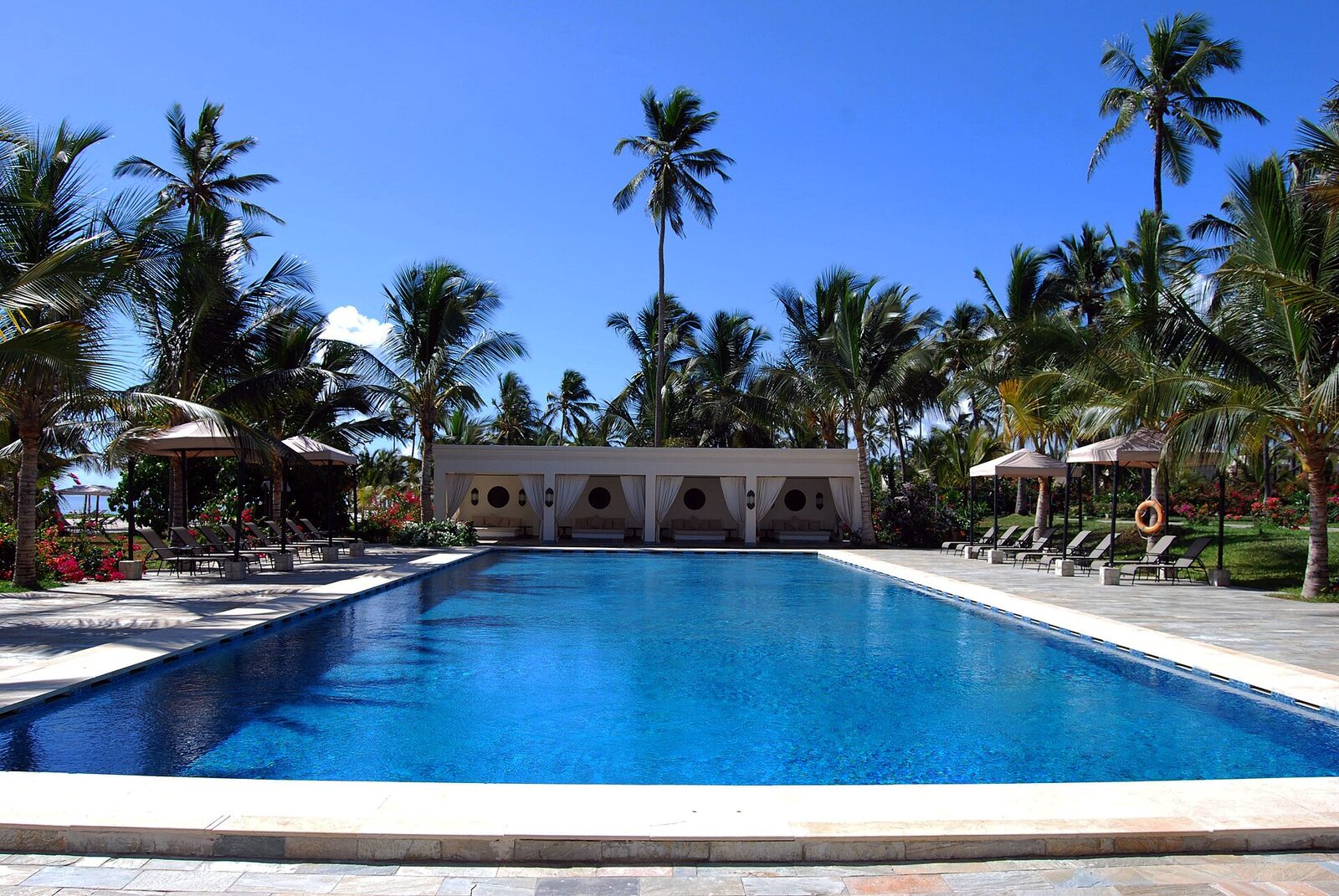
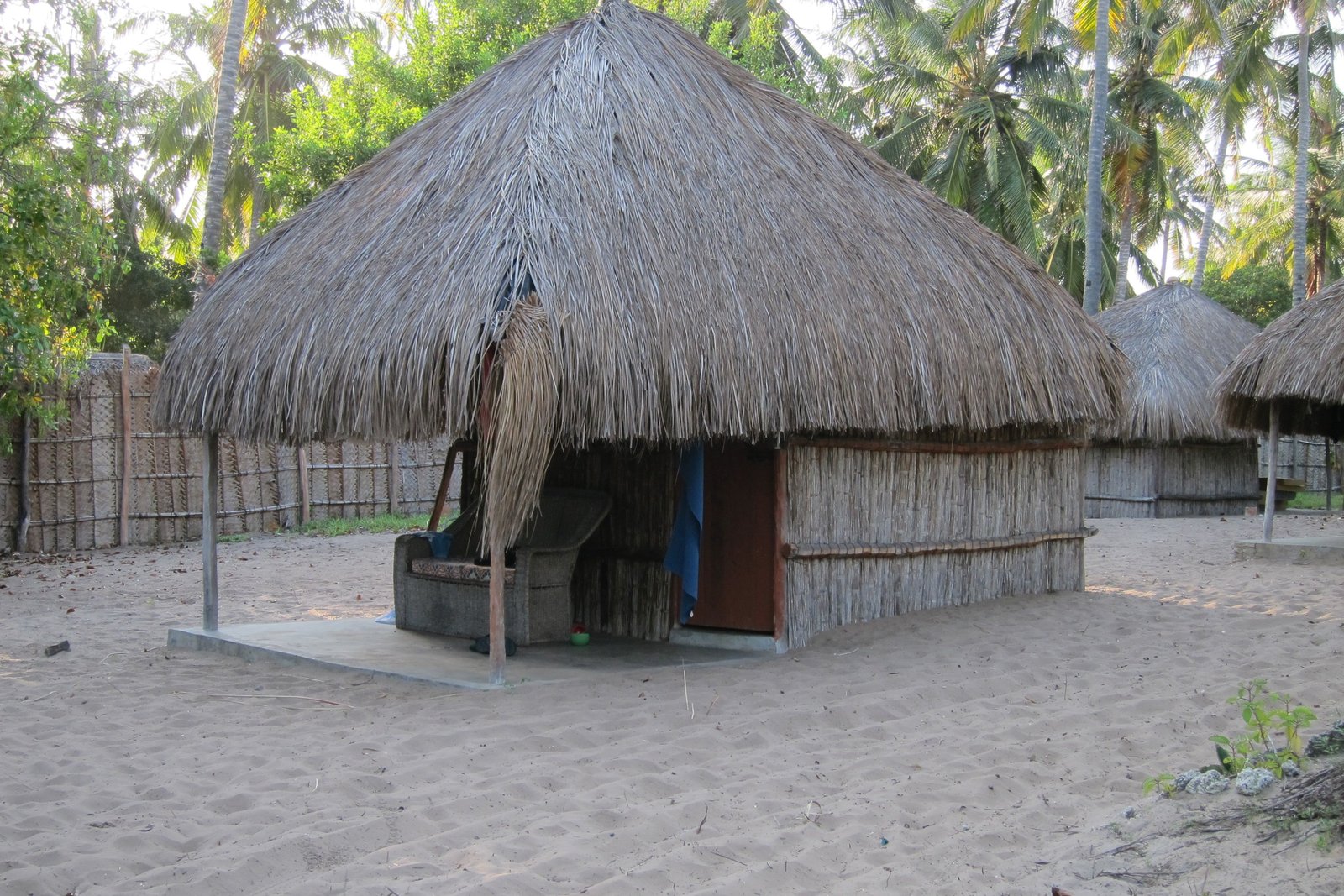
Accommodation on Mafia is small-scale by design — there are no high-rise resorts here. Most lodges cluster around Chole Bay near Utende, close to the dive sites and the best snorkelling, with a few options near Kilindoni for easy airstrip and whale shark access. Here is a spread across the budgets:
- Pole Pole Lodge: the island's best-known luxury address — a handful of raised stilt bungalows above Chole Bay, barefoot and intimate, with a strong kitchen and a quiet, grown-up feel.
- Chole Mjini: treehouse chalets on tiny Chole Island, run on solar and lantern light with no mains electricity — deliberately off-grid, atmospheric and conservation-minded.
- Mafia Island Lodge: a larger, classic beach resort on Chole Bay with its own dive shop — the easy choice for divers who want rooms, a pool and a dive centre on site.
- Basecamp Mafia Island: an eco-focused option on Chole Bay with air-conditioned rooms, a comfortable middle-ground between barefoot and resort.
- Mafia Kivulini Lodge: a small, personal lodge with just a few rooms for travellers who want somewhere quiet and unfussy.
- Shamba Kilole Lodge: an owner-run eco-lodge above the bay, known for its food and relaxed pace.
- Big Blu Dive Resort: the budget-friendly, dive-led choice near the water, popular with divers who want to keep costs down.
- Butiama Beach Lodge: near Kilindoni on the west coast, handy for whale shark trips and the airstrip.
Mafia Island vs Zanzibar: Which to Choose
This is the question most people arrive with, so here is the honest answer. Mafia and Zanzibar are not competing for the same traveller.
Choose Mafia if your trip is built around what is in the water: whale sharks in season, diving in a protected marine park, uncrowded reefs and snorkelling, and real seclusion. It is small, slow and barefoot, with limited dining and few land excursions. Divers, snorkellers, privacy-seekers and repeat visitors to East Africa love it for exactly those reasons.
Choose Zanzibar if you want variety and easy access: the history and food of Stone Town, a wide range of beaches and hotels, spice tours, day trips and more to do when you are off the sand. It is the more natural fit for first-time visitors and for families who want options beyond the reef. For a full look at that side, see our guide to Zanzibar all-inclusive holidays and the best things to do in Zanzibar.
Because they are only a 45-minute flight apart, there is a third option: do both. A few nights on Zanzibar for the culture and the hotels, then a few on Mafia for the diving and the quiet, makes a well-balanced island week. Our safari and Zanzibar beach combo guide shows how the beach half fits alongside a mainland safari.
Combining Mafia Island with a Safari
Most people who come this far do not fly all the way to Tanzania for the beach alone. The classic trip is bush then beach: a few days on safari on the mainland, then the island to wind down. Mafia slots neatly onto the end of a southern-circuit safari in Nyerere National Park (the former Selous) and Ruaha, since the light-aircraft network links them directly, and it works just as well after the northern circuit by routing through Dar or Zanzibar.
If you are planning the safari half, our Tanzania safari tours guide covers the parks, seasons and routing, and when to visit Tanzania on safari helps you line up the mainland timing with the whale shark and diving seasons on the coast. For ready-made bush-and-beach itineraries that end on the islands, see the journeys below — any of them can be tailored to finish on Mafia rather than Zanzibar.
Practical Tips for Mafia Island
- Carry some US dollars and Tanzanian shillings. Card facilities are limited outside the lodges and the park gates. Bring enough cash for tips, village purchases and extras.
- Pack for the water. A rash vest for sun and jellyfish, reef-safe sunscreen, your own mask if you are fussy about fit, and a dry bag for boat days.
- Mind the tides. Dive and snorkel times shift with the tide, not the clock. Build your days loosely and let the lodge set the schedule.
- Malaria precautions apply. Mafia is a malaria area — speak to your doctor about prophylaxis and pack repellent. Lodges provide mosquito nets.
- Keep electronics charged. Some lodges, especially the off-grid ones, run on solar with limited power hours. Bring a power bank.
- Respect the culture. Mafia is a Muslim fishing community. Dress modestly away from the beach and ask before photographing people.
- Book flights and lodges early for peak season. Bed numbers are small and November-to-February fills up, especially around the whale sharks.
Mafia is not the island for everyone, and that is the point. It asks for an extra flight, a little flexibility around tides and power, and an acceptance that the action is mostly offshore. In return it gives you whale sharks you can count on in season, diving inside Tanzania's oldest marine park, and a stretch of coast that still moves at the pace of the fishing boats. For divers, snorkellers and anyone who wants the quiet end of the Tanzanian coast, it is worth the effort.
To build a trip around Mafia — on its own, paired with Zanzibar, or as the coastal finish to a mainland safari — speak to a Tanzania specialist at Beyond Africa Safaris and we will match the timing to the whale sharks, the diving and the seasons on the ground.
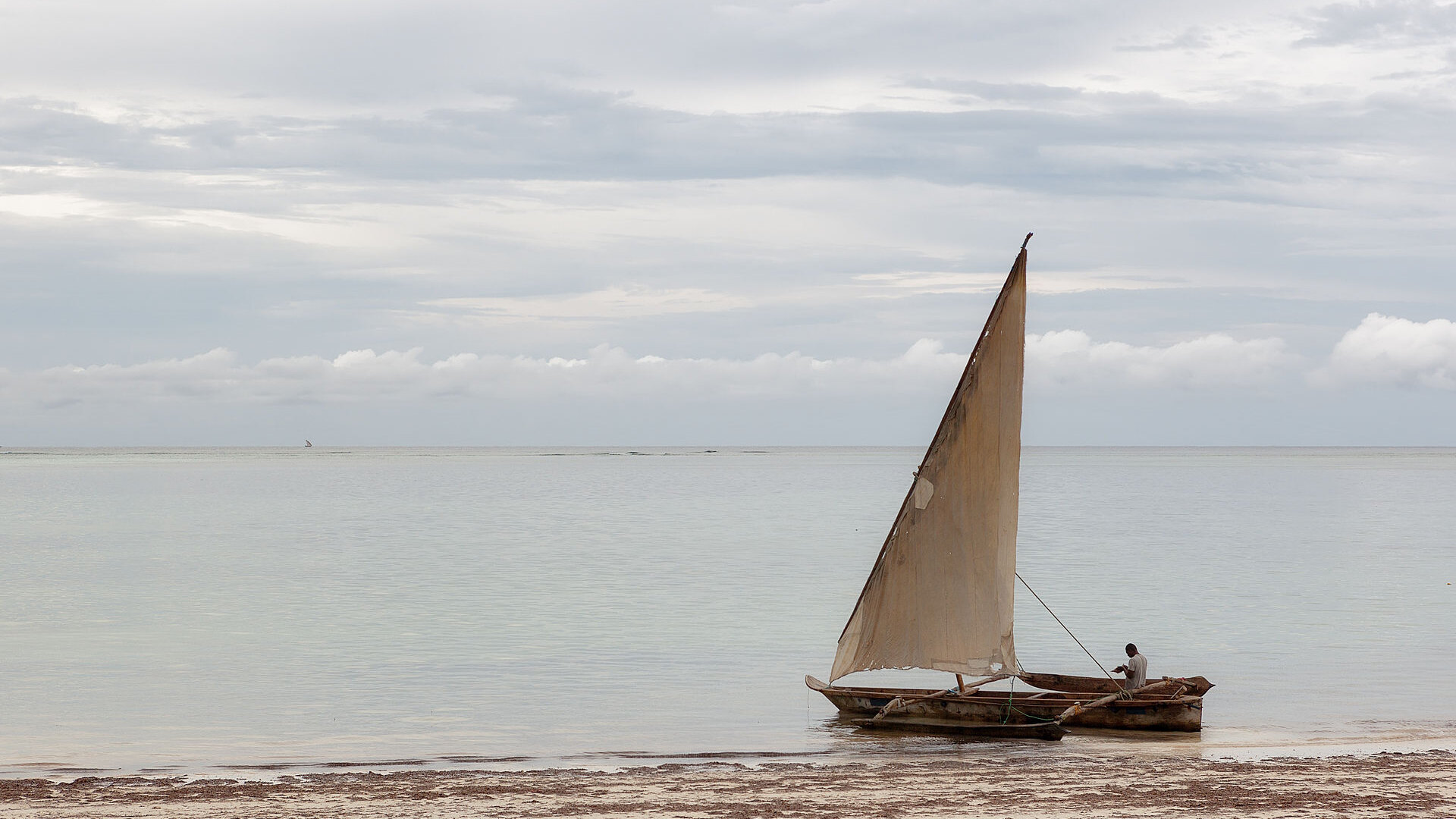
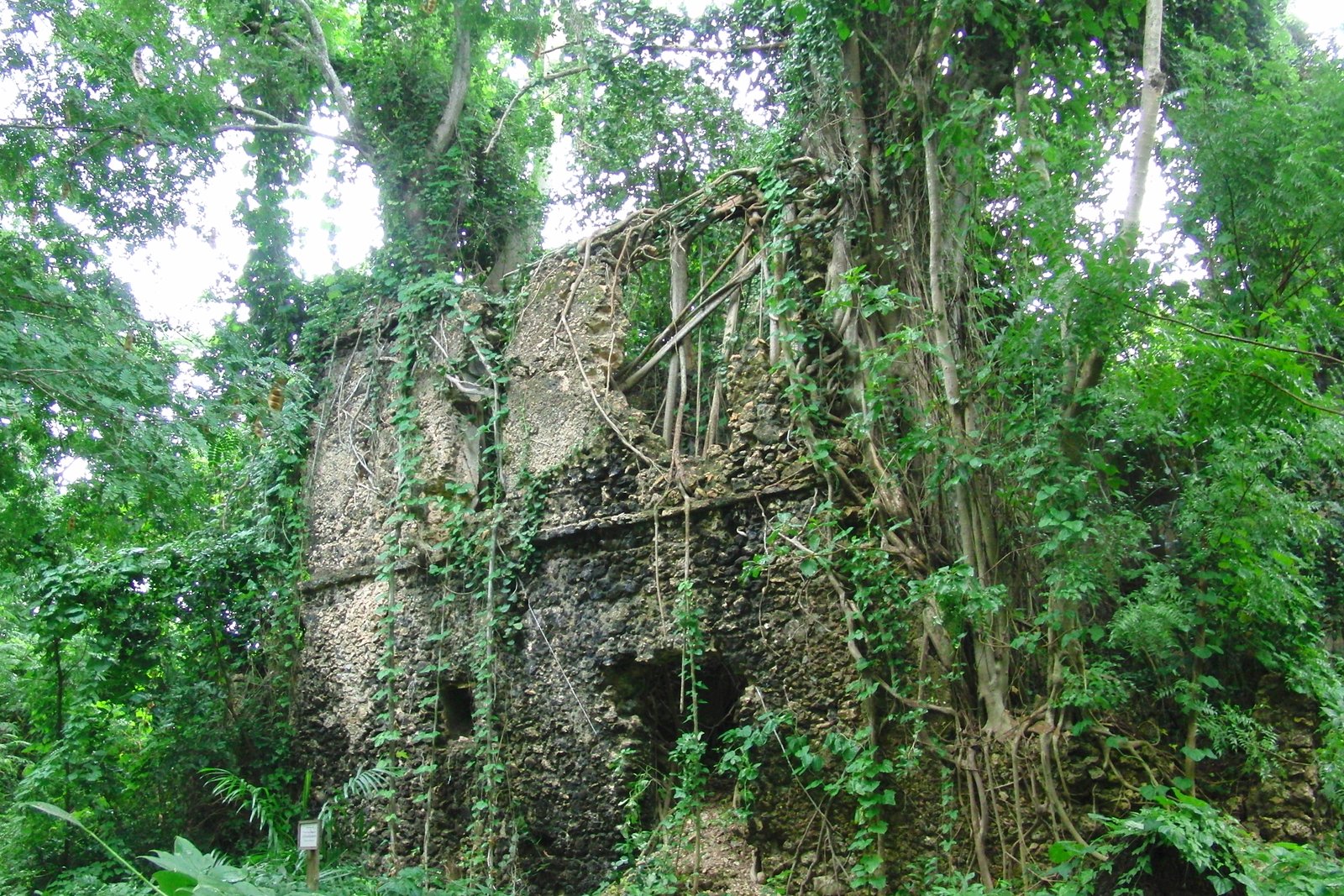
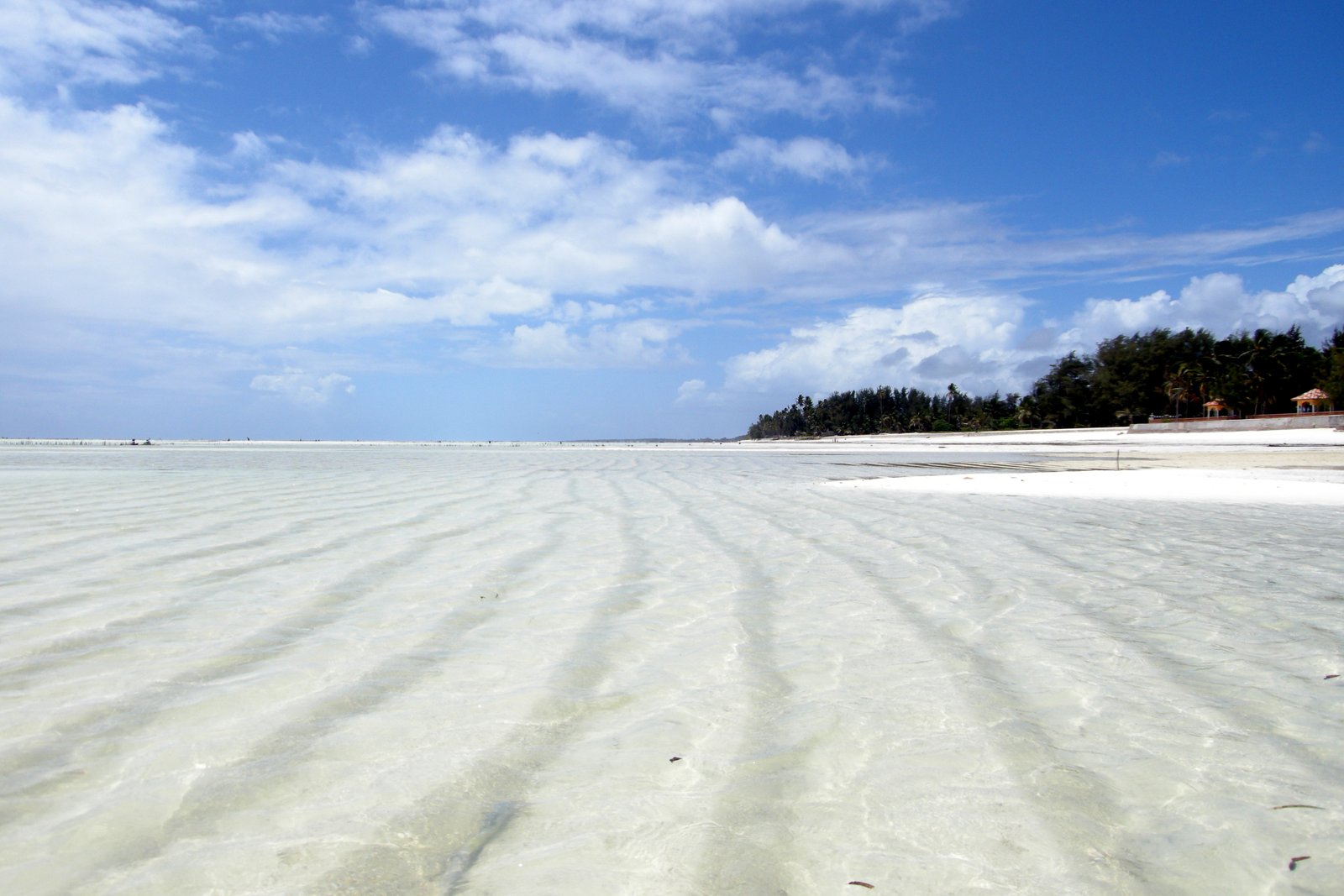
Photographs are used under Creative Commons licences via Wikimedia Commons. Whale shark with snorkellers (hero): Eurasic, CC BY-SA 4.0. Coral drop-off with anthias: Polygonia c-album, CC BY-SA 4.0. Lateen-sail dhow: LizaLotter, CC BY-SA 4.0. Thatched beach banda: fabulousfabs, CC BY 2.0. Chole Island ruins: Jens Klinzing, CC BY-SA 3.0. Green sea turtle: Alexander Vasenin, CC BY-SA 3.0. Humpback whale breaching: Gillfoto, CC BY-SA 3.0. White-sand flats at low tide: Matt Kieffer, CC BY-SA 2.0. Outrigger fishing canoes: Sarvesh Lutchmun, CC BY-SA 4.0. Some images show comparable East African coastal and Indian Ocean subjects rather than Mafia Island itself, and are captioned by subject.