Key Takeaways
- The Makuleke Wilderness — the Pafuri region — is a 26,500-hectare private concession at the far-northern tip of the Kruger National Park, between Zimbabwe and Mozambique.
- It is the site of Crook's Corner, the legendary confluence of the Luvuvhu and Limpopo rivers where three countries meet, once a hideout for ivory poachers and gun-runners.
- It holds the richest biodiversity in all of Kruger — over 350 bird species (some found almost nowhere else in South Africa), fever-tree forests, baobabs and the dramatic Lanner Gorge.
- Pafuri is one of South Africa's premier walking-safari destinations, with expert guided trails through forest, floodplain and gorge — the wilderness felt on foot.
- Only two intimate, low-density camps share the entire concession, so game drives and walks are private and uncrowded — the most exclusive corner of Kruger.
- We build bespoke Makuleke and Pafuri safaris, and related bookable northern-Kruger journeys, from around US$1,500 per person. For context, see our guides to the Kruger National Park and northern vs southern Kruger.
Kruger's Wild, Forgotten North
Drive the length of the Kruger National Park — some 350 kilometres from the busy southern gates — and the landscape slowly empties. The self-drive traffic thins, the mopane thickens, and then, right at the very top, the park narrows to a slender wedge pinched between the Limpopo River to the north and the Lebombo Mountains to the east. This is the Makuleke Wilderness, better known by the name of its old ranger post: Pafuri. It is the wildest, greenest, most biodiverse and least-visited part of the entire Kruger — and for those who reach it, the most rewarding.
The Makuleke region has an extraordinary human story too. The Makuleke people were forcibly removed from this land in 1969; in 1998, in one of South Africa's landmark land-restitution settlements, the 26,500-hectare territory was returned to them. Rather than resettle, the community chose to keep it as a conservation area and lease it to private safari operators — a model of community-owned wilderness that funds the Makuleke while protecting one of Africa's great wild places. Today the concession sits inside Kruger's boundaries but is run privately and at very low density, which is precisely why a Pafuri safari feels so different from the rest of the park.
Crook's Corner — Where Three Countries Meet
At the northern edge of the concession, the Luvuvhu River flows into the Limpopo, and at that meeting of waters three nations touch: South Africa, Zimbabwe and Mozambique. This is Crook's Corner — one of the most evocative place-names in Africa. In the early twentieth century it was a lawless refuge for ivory poachers, gun-runners and fugitives, who exploited the three-country border to slip across a frontier whenever the law drew near. Standing there today, with fish eagles calling and hippos grunting in the shallows, you feel the full romance of the old frontier.
The confluence is also the beating heart of Pafuri's ecology. The rivers draw enormous concentrations of wildlife and birds, and the surrounding floodplain nurtures the region's signature fever-tree forests — cathedral-like groves of luminous yellow-green trunks that are among the most beautiful sights in all of Kruger. Nearby, the Luvuvhu has carved the sheer red walls of the Lanner Gorge, a 150-metre-deep sandstone canyon that is one of the scenic highlights of the north. Between river, forest, gorge and floodplain, Makuleke packs more distinct habitats into its 26,500 hectares than anywhere else in the park.
The Finest Birding in Kruger
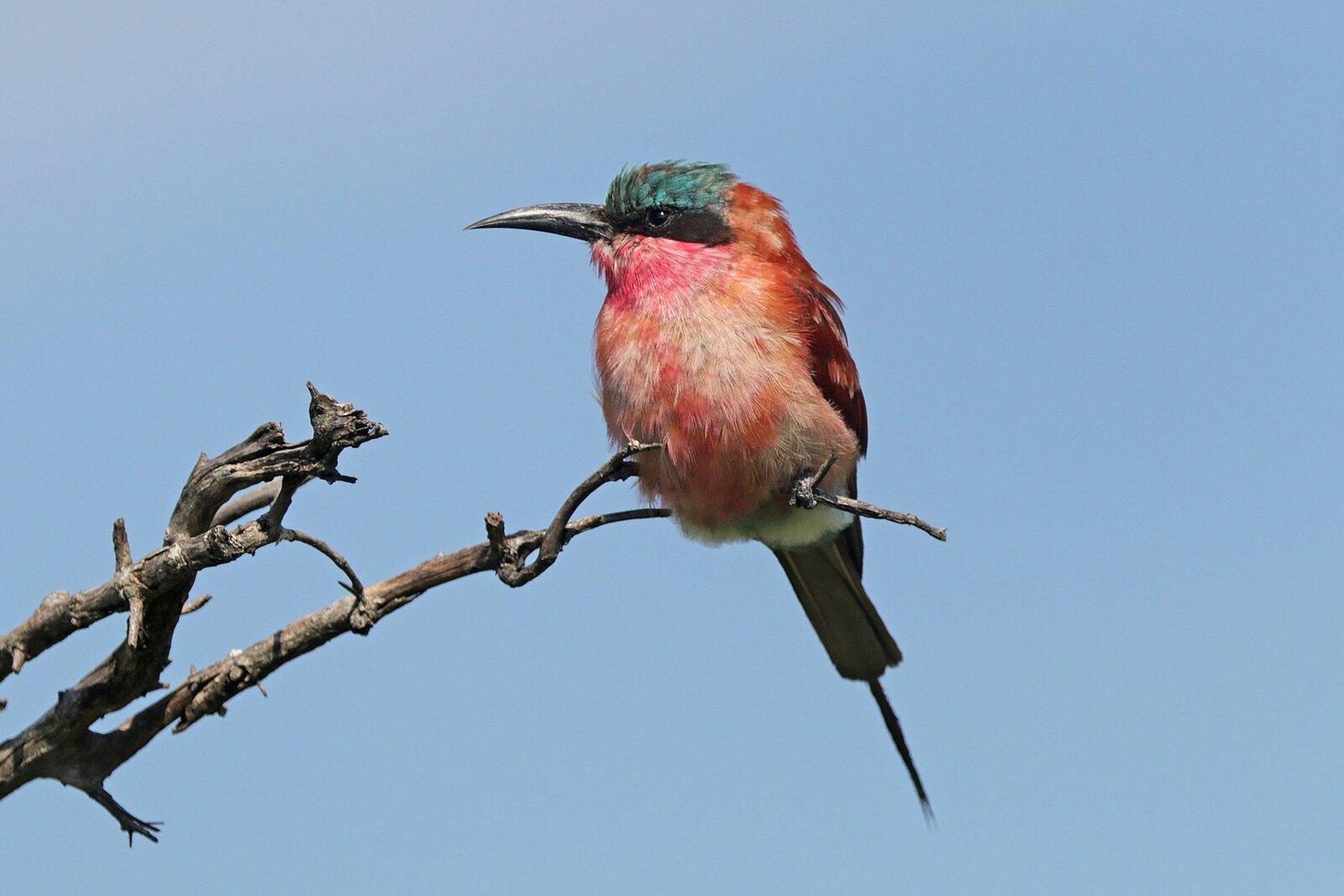
If there is one thing that puts Pafuri on the map for safari connoisseurs, it is the birds. The Makuleke concession records over 350 species — the highest diversity anywhere in Kruger — and it is the single best place in South Africa to find a whole suite of tropical and near-endemic specials. Birders come from around the world for Pel's fishing-owl haunting the riverine forest, the racket-tailed roller, three-banded courser, Böhm's spinetail, mottled and bat hawks, crested guineafowl, and glittering flocks of southern carmine bee-eaters that nest in the riverbanks. The fever-tree forests and the Luvuvhu floodplain are alive with colour and call from first light.
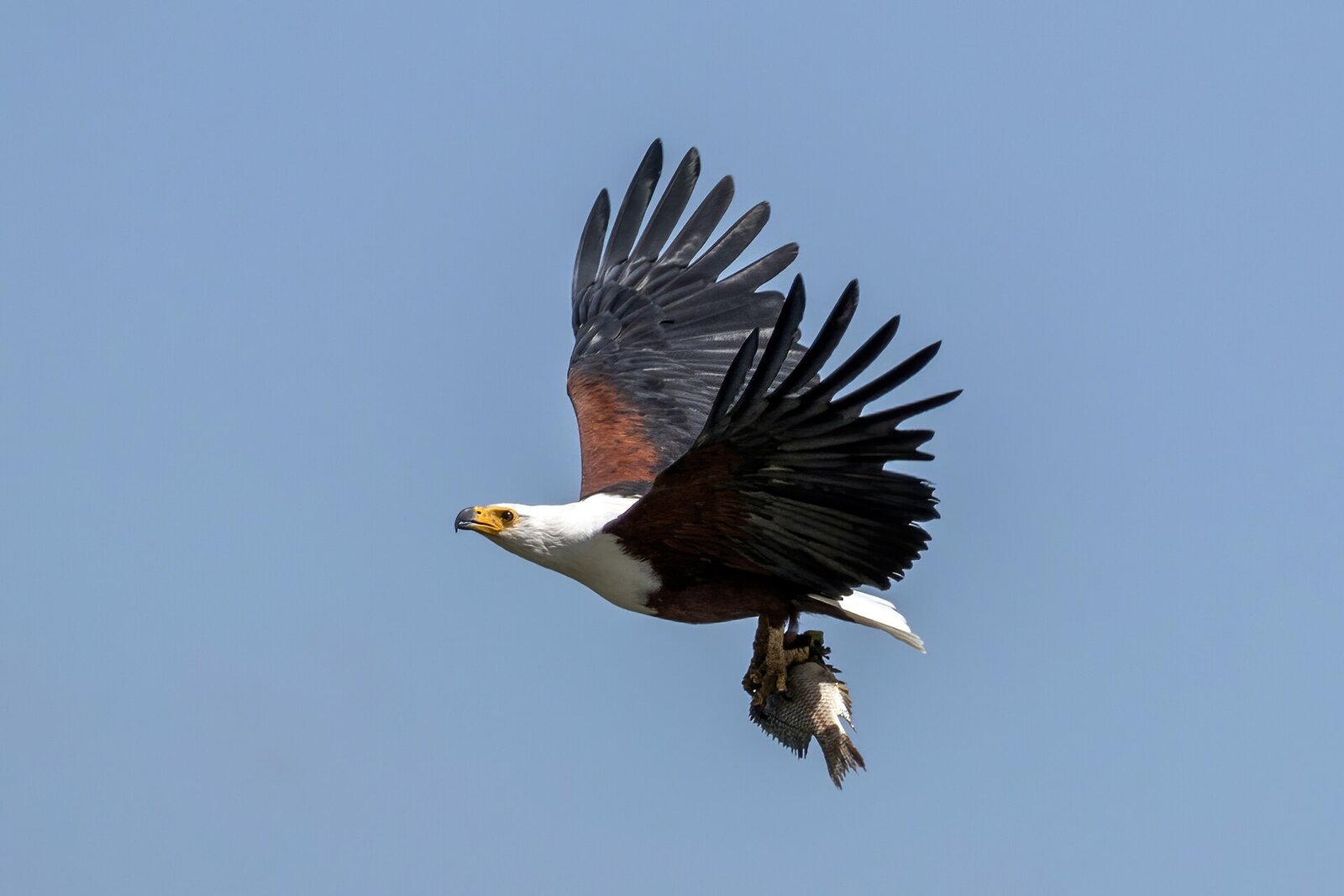
Even for travellers who would not call themselves birders, the sheer density and beauty of the birdlife here — from majestic African fish eagles patrolling the rivers to lilac-breasted and racket-tailed rollers flashing across the track — becomes one of the abiding memories of a Pafuri safari. The birding peaks in the green summer months (November to March) when migrants arrive and the carmine bee-eaters colonise the riverbanks. For the wider picture, see our guide to the best time for a birding safari in Africa.
Premier Walking Safaris
Because Makuleke is a private concession, its operators are permitted to offer what most of Kruger cannot: proper guided walking safaris. Setting out on foot with an armed, expert trails guide at dawn is the purest way to experience this wilderness — tracking elephant and buffalo through the fever-tree forest, reading the stories written in the sand, standing quietly on the Luvuvhu floodplain as the light comes up, and feeling the bush at eye level rather than from a vehicle. Pafuri is widely regarded as one of the finest walking-safari destinations in South Africa.
Walks are tailored to the group and typically combine with classic game drives, so a stay here blends the intimacy of the trail with the reach of a 4x4. It is a style of safari that suits second- or third-time visitors who already have the Big Five box ticked and now want something deeper, wilder and slower. For more on the category, browse our guides to the best walking safaris in Africa and the most luxurious walking-safari experiences on the continent.
The Wildlife of the Concession
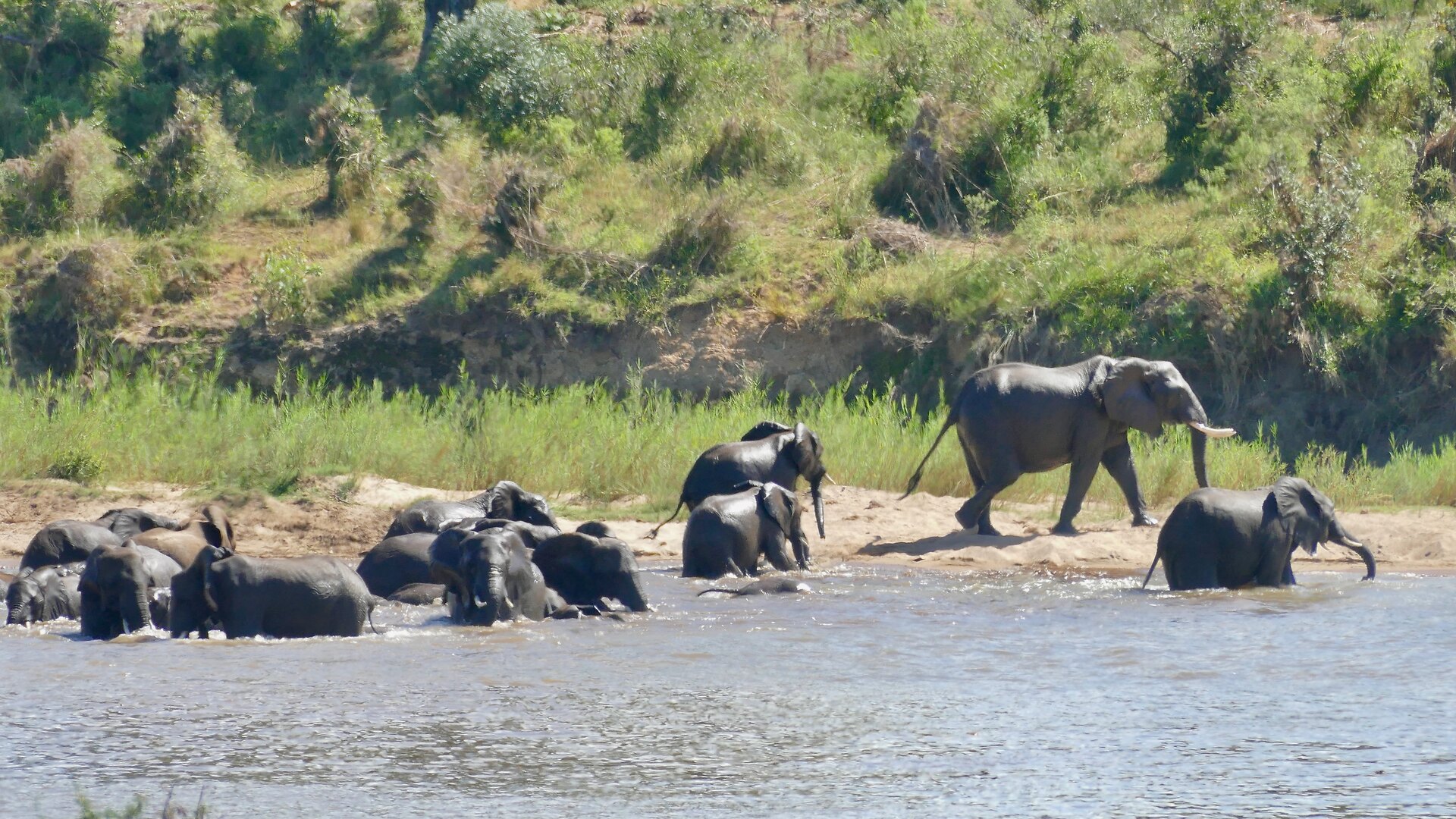
Pafuri is not primarily a Big Five "tick-list" destination — its magic lies in atmosphere, birds and wilderness rather than guaranteed predator sightings — but the wildlife is rich and rewarding all the same. The concession's most iconic residents are its elephant, which move in large herds along the Luvuvhu and through the mopane, and its nyala, the elegant, shaggy-coated antelope for which the region is famous and which are seen here more reliably than almost anywhere. Buffalo herds work the floodplains, and the rivers hold hippo and large Nile crocodiles.
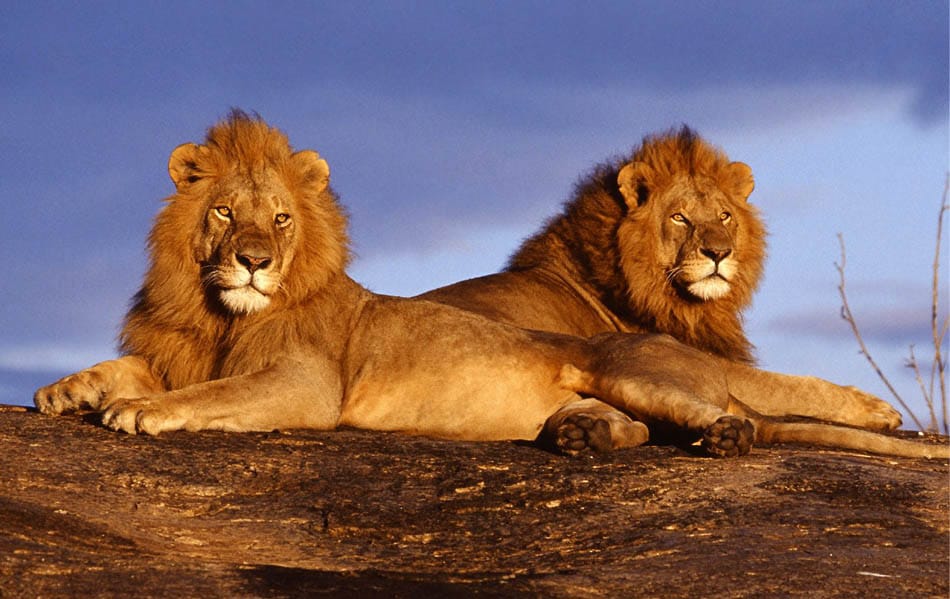
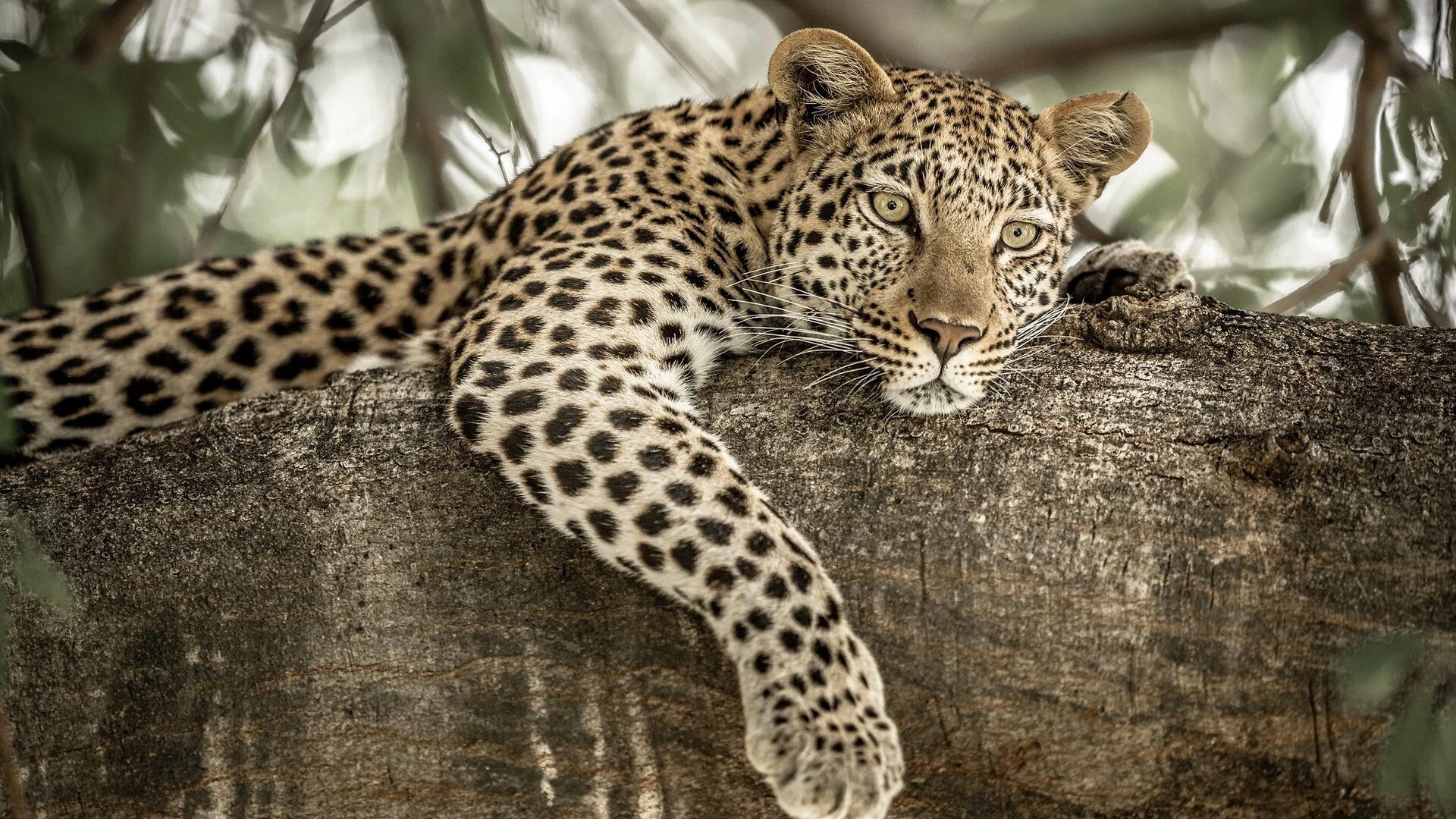
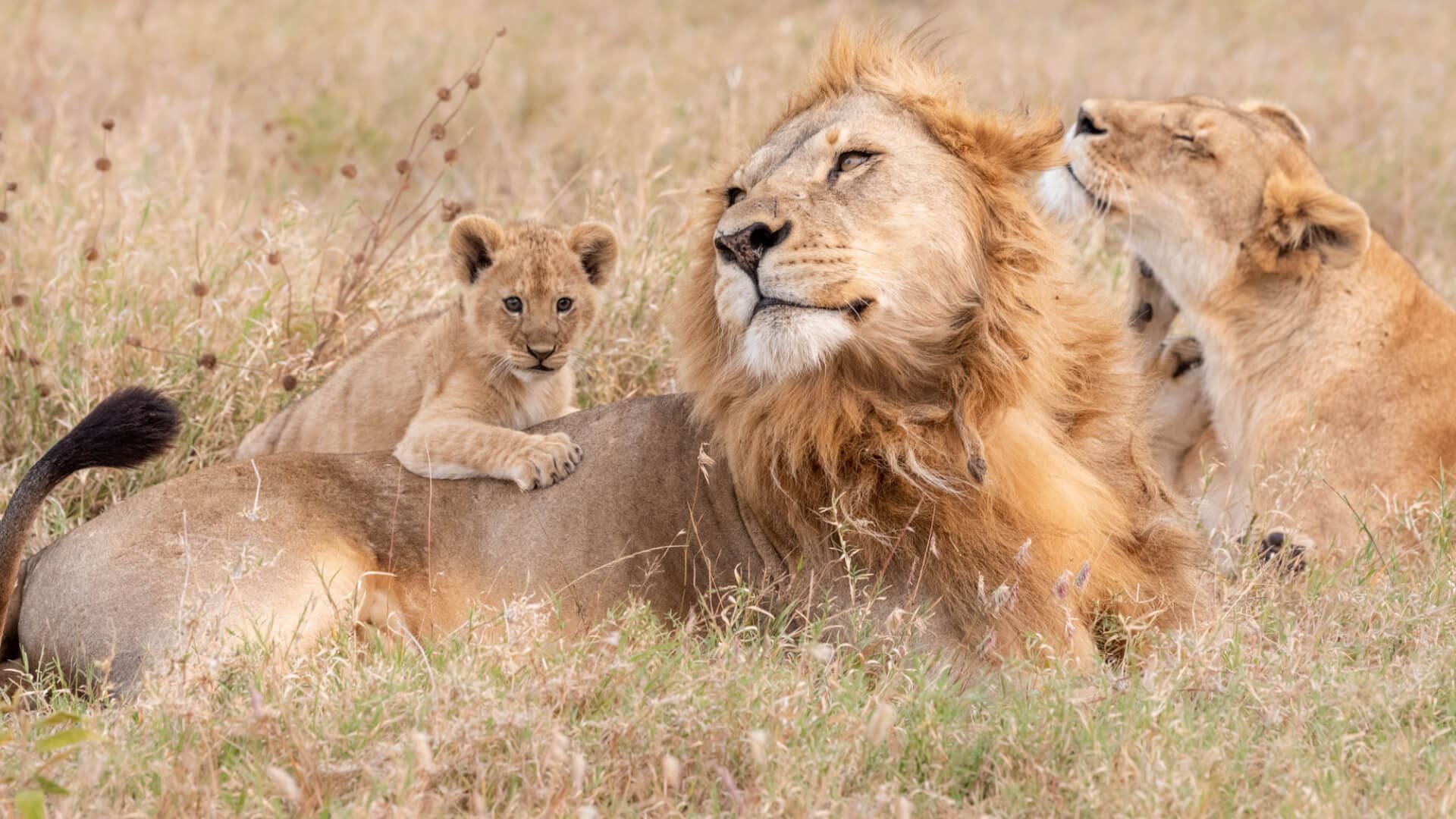
Predators are present — lion and leopard patrol the concession, and wild dog and cheetah pass through — though sightings are less frequent than in the game-dense south, a fair trade for having the wilderness almost entirely to yourself. Add kudu, waterbuck, bushbuck, eland, zebra and a supporting cast of smaller creatures, and every drive and walk turns up something. For a fuller sense of how the north compares with the rest of the park, read our guide to northern versus southern Kruger and the broader Big Five safari in South Africa.
The Camps of Pafuri
One of the great luxuries of Makuleke is its exclusivity: only a small number of intimate camps share the entire 26,500-hectare concession, so you rarely see another vehicle. The best-known are the community-partnered camps run by RETURNAfrica and their peers:
- Pafuri Camp (RETURNAfrica) — a classic, elevated tented camp set beneath giant trees on the banks of the Luvuvhu River, wonderfully atmospheric and the heart of a Pafuri walking-and-driving safari.
- The Outpost — a striking contemporary lodge of open-sided "spaces" cantilevered along a hillside, with sweeping views over the wilderness and a more design-led, modern feel.
- Pafuri Trails Camp / Baobab Hill Bush House — smaller, exclusive-use options for walking-focused groups and families wanting the whole camp to themselves, deep in the concession.
All are low-density, unfenced and built lightly on the land in keeping with the Makuleke conservation ethos. Days follow the wilderness rhythm — an early walk or drive, brunch back in camp, rest through the heat, and an afternoon exploration that ends with sundowners over the river. For the wider category, browse our roundups of the best Kruger safari lodges and best South Africa safari lodges.
Plan Your Makuleke & Pafuri Wilderness Safari
We know the far north of Kruger intimately and build every Pafuri trip by hand — the right camp, the right season for birding or walking, and seamless flights or transfers. Tell us your dates and who's travelling, and we'll design it.
Plan My Pafuri Safari Browse Safari Packages WhatsApp UsWhen to Go & How to Book
Makuleke rewards travellers in every season, but the calendar shapes what you see. The green summer (November to March) is the birding high season: migrants pour in, the carmine bee-eaters nest along the riverbanks, the fever-tree forests glow, and the whole concession pulses with life — though days are hot and afternoon storms are common. The dry winter (May to September) brings cooler, clearer days ideal for walking safaris, thinner bush and easier general game viewing as animals concentrate along the Luvuvhu. Whenever you come, the north is remote — most guests fly in to the Pafuri airstrip, or combine it with a wider Kruger or Cape Town itinerary. See our guide to when to visit South Africa for safari to time it well.
Because Pafuri's camps are small, community-partnered and much in demand, the smartest way to visit is with an operator who can secure the right camp, coordinate flights or transfers, and tailor your days between walks, drives and birding. We build bespoke Makuleke and Pafuri safaris for couples, families and small groups, and fold the far north into larger South African journeys — Cape Town, the Winelands, the Garden Route, or a classic southern-Kruger extension for guaranteed Big Five. As a guide, a wilderness experience of this calibre starts from around US$1,500 per person and rises with camp, season and length of stay. To place it in context, compare it with the greater-Kruger private reserves and the full Kruger National Park guide. However you build it, Makuleke offers something the rest of Kruger cannot: true wilderness, world-class birds, and the wild romance of the place where three countries meet.