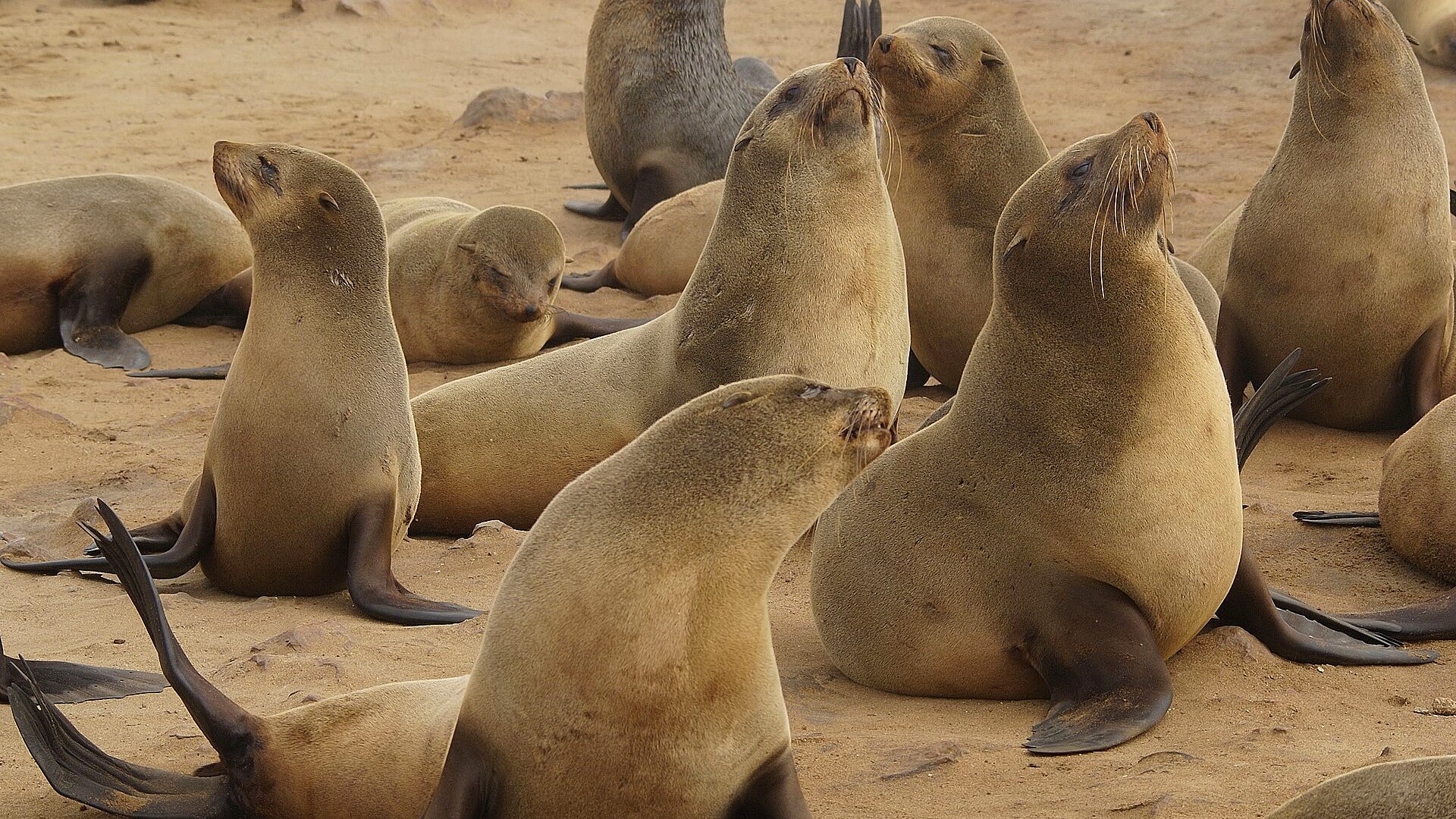
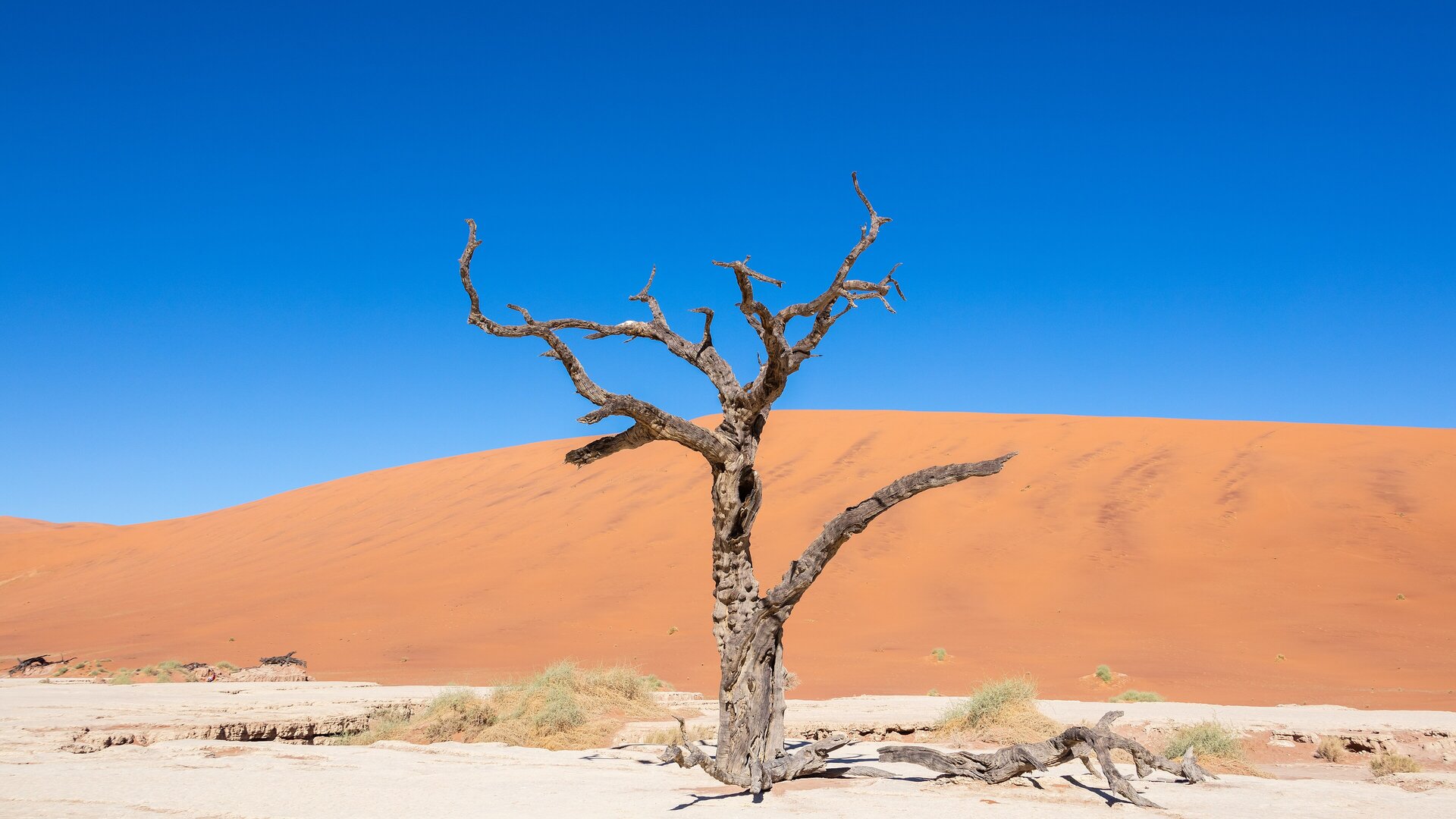
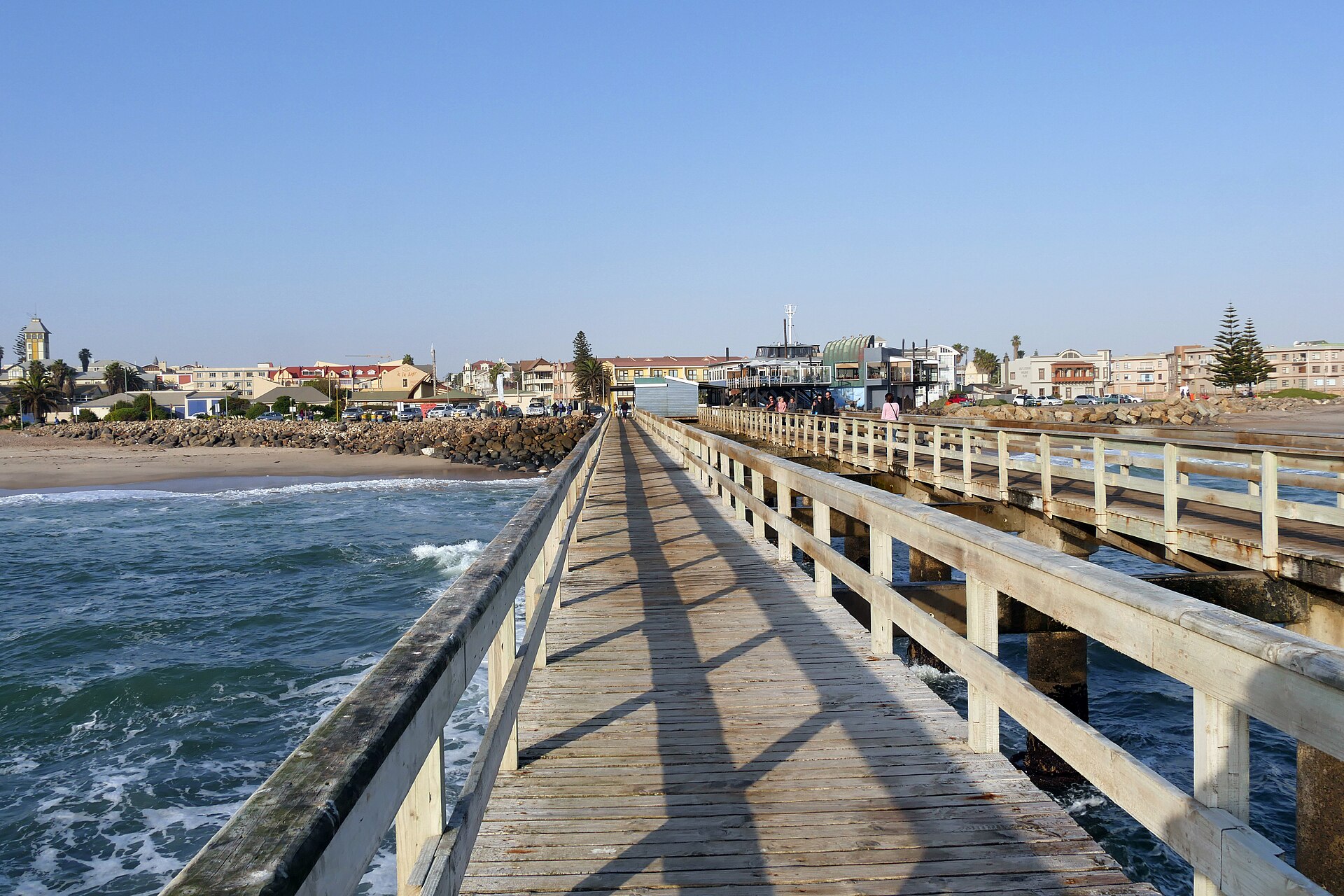
The Portuguese sailors who wrecked here called it 'the sands of hell'; the local San spoke of 'the land God made in anger.' The Skeleton Coast is a 500-kilometre ribbon of fog, dune and maritime tragedy running north from Swakopmund to the Kunene River on the Angolan border. Bleached whale bones and the rusting hulls of stranded ships lie half-buried in the sand, some now stranded far inland as the dunes have marched seaward. Yet this seemingly lifeless coast teems: a hundred thousand Cape fur seals crowd the colony at Cape Cross, brown hyena and black-backed jackal patrol the tideline for carrion, and inland along the dry Hoanib and Hoarusib rivers, desert-adapted elephant and the famed 'vanishing kings' — desert lions — eke out an existence where no permanent water flows. Reached almost entirely by light aircraft, it remains one of Africa's greatest and most exclusive wilderness frontiers.
We don't just fly you over the coast. We know which riverbed the elephant walked at dawn, and where the lions crossed the dunes last week. The Skeleton Coast is vast and unforgiving, and its rewards go to those with the right pilot, the right guide and the right camp. We build itineraries around the trackers who read this desert daily — turning an impossibly remote wilderness into an intimate, once-in-a-lifetime encounter.
At a glance, The Skeleton Coast, Namibia spans Skeleton Coast Park — 16,845 km², cape fur seals, brown hyena, desert lion, protected since Proclaimed 1971 — and the best time to be here is typically May – October.
Fly-In Scenic Safari
The Skeleton Coast is best understood from the air. Low-level flights trace the line where the dunes meet the surf, banking over shipwrecks, seal colonies and the salt pans, before landing on a remote gravel strip for a picnic in utter isolation. It is one of the most dramatic scenic flights in Africa.
- Light-aircraft flight
- Landings at remote sites
- Picnic in the wilderness
- Expert pilot-guide
Why Go
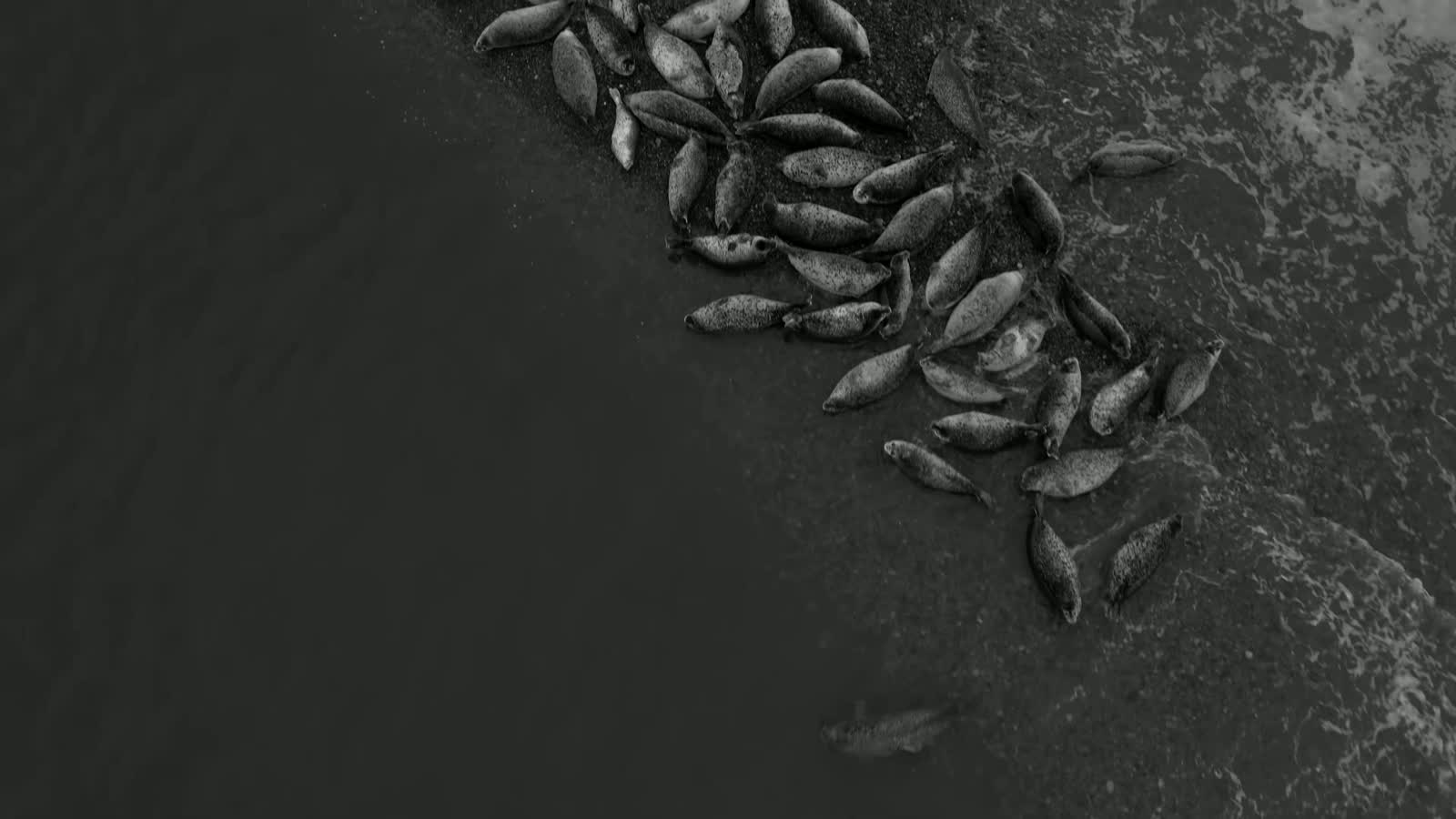
- Cape Cross seal colony — up to 100,000 Cape fur seals crowding the shore
- Rusting shipwrecks half-buried in the sand, relics of centuries of maritime disaster
- Desert-adapted lions — the 'vanishing kings' of the Hoanib — and desert elephant
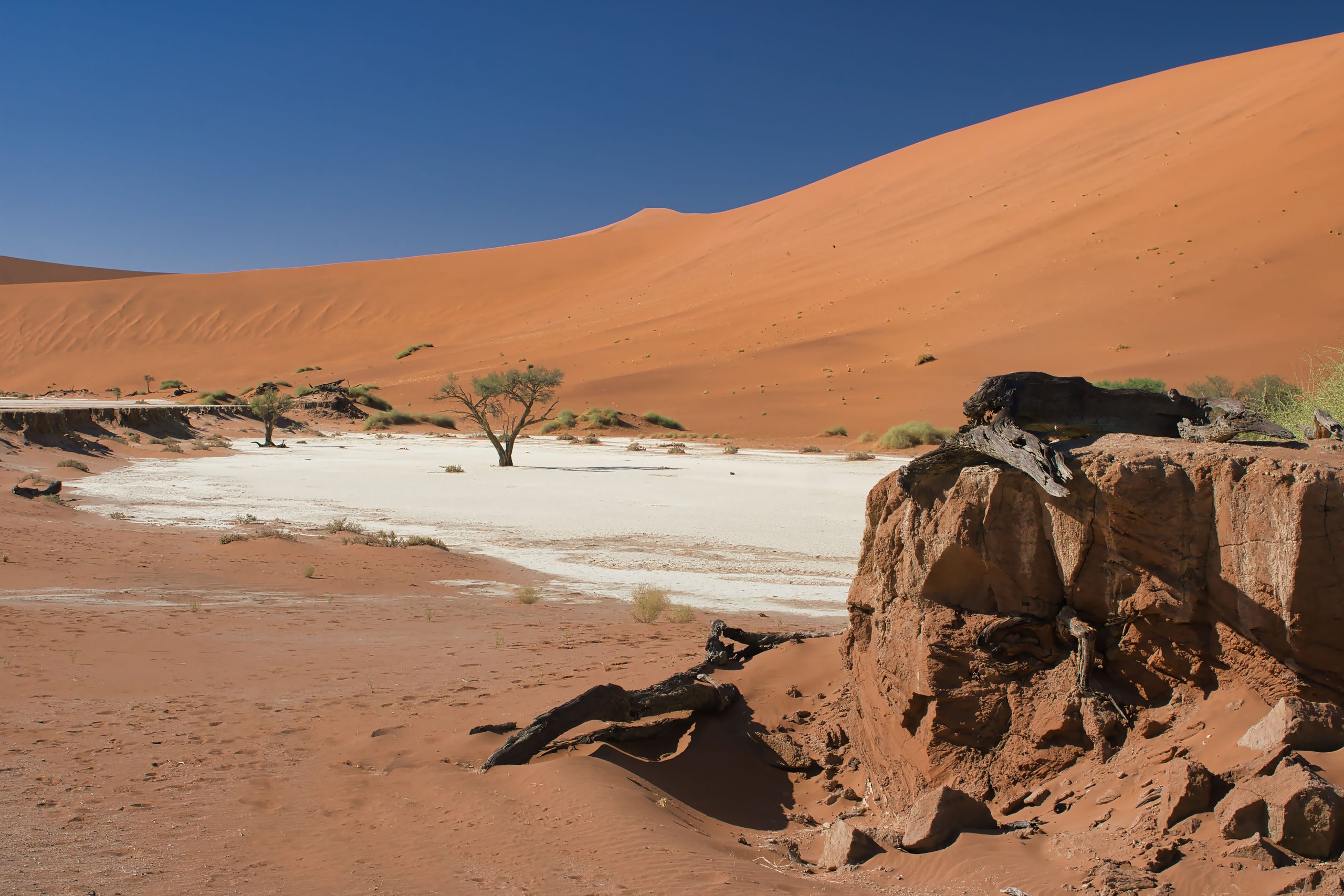
- The roaring dunes, whose slipfaces emit a deep rumble as the sand shifts
- Fly-in access over an otherwise impassable wilderness of dune and gravel plain
- Clay castles and canyons of the Hoarusib and Hoanib river valleys
The Cast of Characters
Of the Big Five you can expect Desert-Adapted Lion and Desert-Adapted Elephant here. Here is what the guiding team looks for on a typical few days in the bush.
Cape Fur Seal. One of the great wildlife congregations on earth.
Desert-Adapted Lion. The famed 'vanishing kings' of the Namib.
Desert-Adapted Elephant. Giants that walk the dry riverbeds.
Brown Hyena. The beachcomber of the Skeleton Coast.
Gemsbok (Oryx). Desert antelope of the gravel plains.
Black-Backed Jackal. The coast's ever-present opportunist.
Ways to Experience The Skeleton Coast, Namibia
Fly-In Scenic Safari
Half to full day · Scenic
The Skeleton Coast is best understood from the air. Low-level flights trace the line where the dunes meet the surf, banking over shipwrecks, seal colonies and the salt pans, before landing on a remote gravel strip for a picnic in utter isolation. It is one of the most dramatic scenic flights in Africa.
Best for: Photographers, Adventurers, Bucket-list travellers.
Cape Cross Seal Colony
2 – 3 hours · Wildlife Viewing
Stand before one of the largest Cape fur seal colonies on earth, where up to 100,000 animals crowd the rocks and shallows in a heaving, barking mass. The sight — and sound, and smell — is unforgettable, and the black-backed jackals and brown hyena that shadow the colony add a raw edge of drama.
Best for: Wildlife enthusiasts, Photographers, Families.
Shipwrecks & Desert-Meets-Ocean Drives
Half day · Scenic
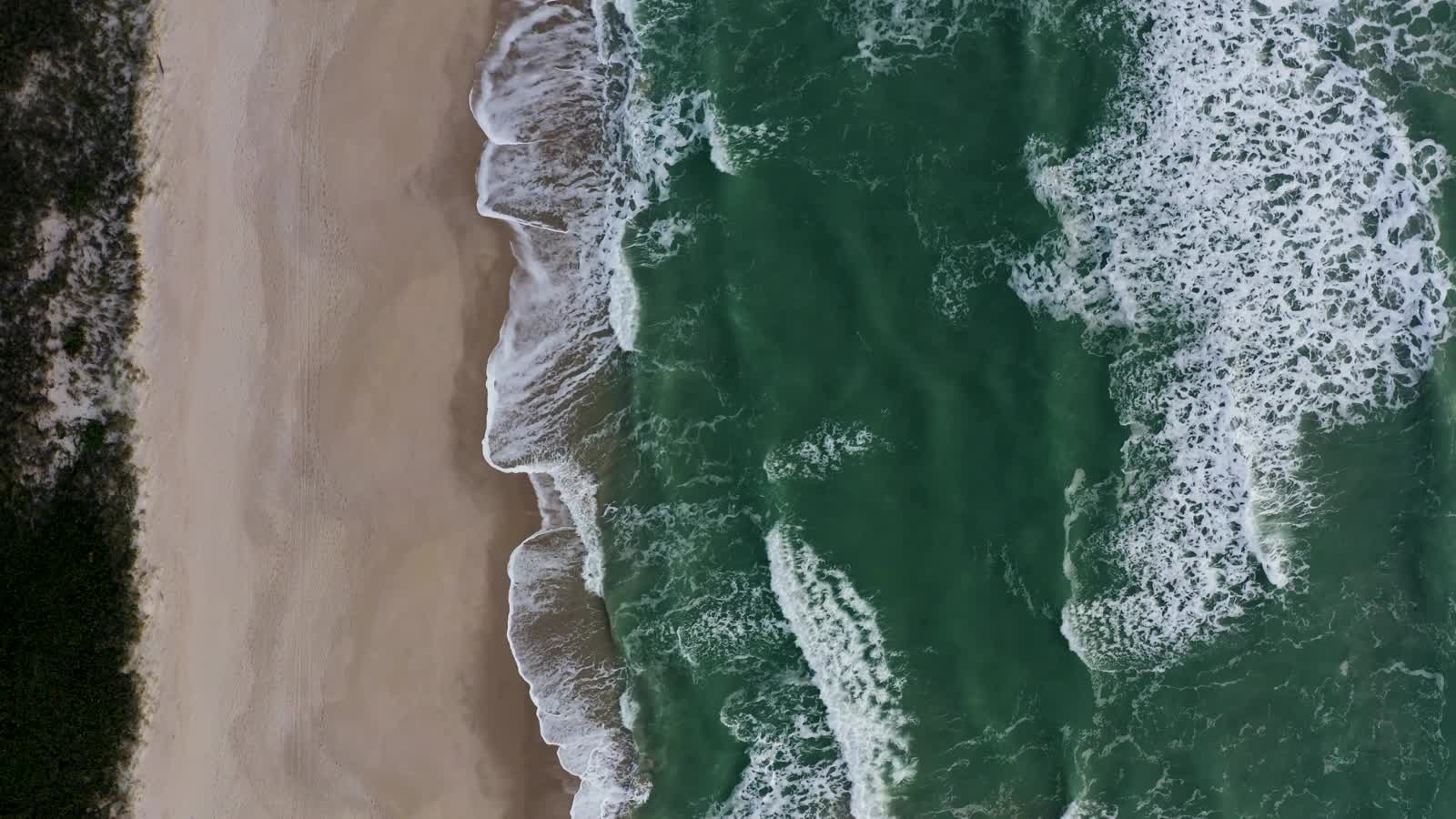
Drive the desolate shore in search of the rusting relics that give the coast its name, where the Namib's great dunes tumble straight into the pounding Atlantic surf. Fog rolls in off the cold Benguela current, and the light is unlike anywhere else — silver, spectral and endlessly photogenic.
Best for: Photographers, History lovers, Landscape seekers.
Tracking Desert-Adapted Wildlife
Full day · Wildlife Viewing
Along the dry Hoanib and Hoarusib riverbeds, expert guides track the desert's most remarkable survivors — desert-adapted elephant, giraffe, oryx and the elusive desert lions that range enormous distances between the dunes and the sea. It is some of the most rewarding tracking in Africa.
Best for: Wildlife enthusiasts, Photographers, Adventurers.
Roaring Dunes & Clay Castles
Half day · Photography
Slide down the great slipfaces where the sand emits an eerie, low-frequency roar, and explore the sculpted clay castles of the Hoarusib canyon. This is the Skeleton Coast's stranger, quieter side — geology as theatre.
Best for: Families, Geology enthusiasts, Photographers.
Where to Stay
We hand-pick every camp and lodge we use in The Skeleton Coast, Namibia. These are the addresses we return to, chosen for their guiding, their location and the way they make the wilderness feel like your own.
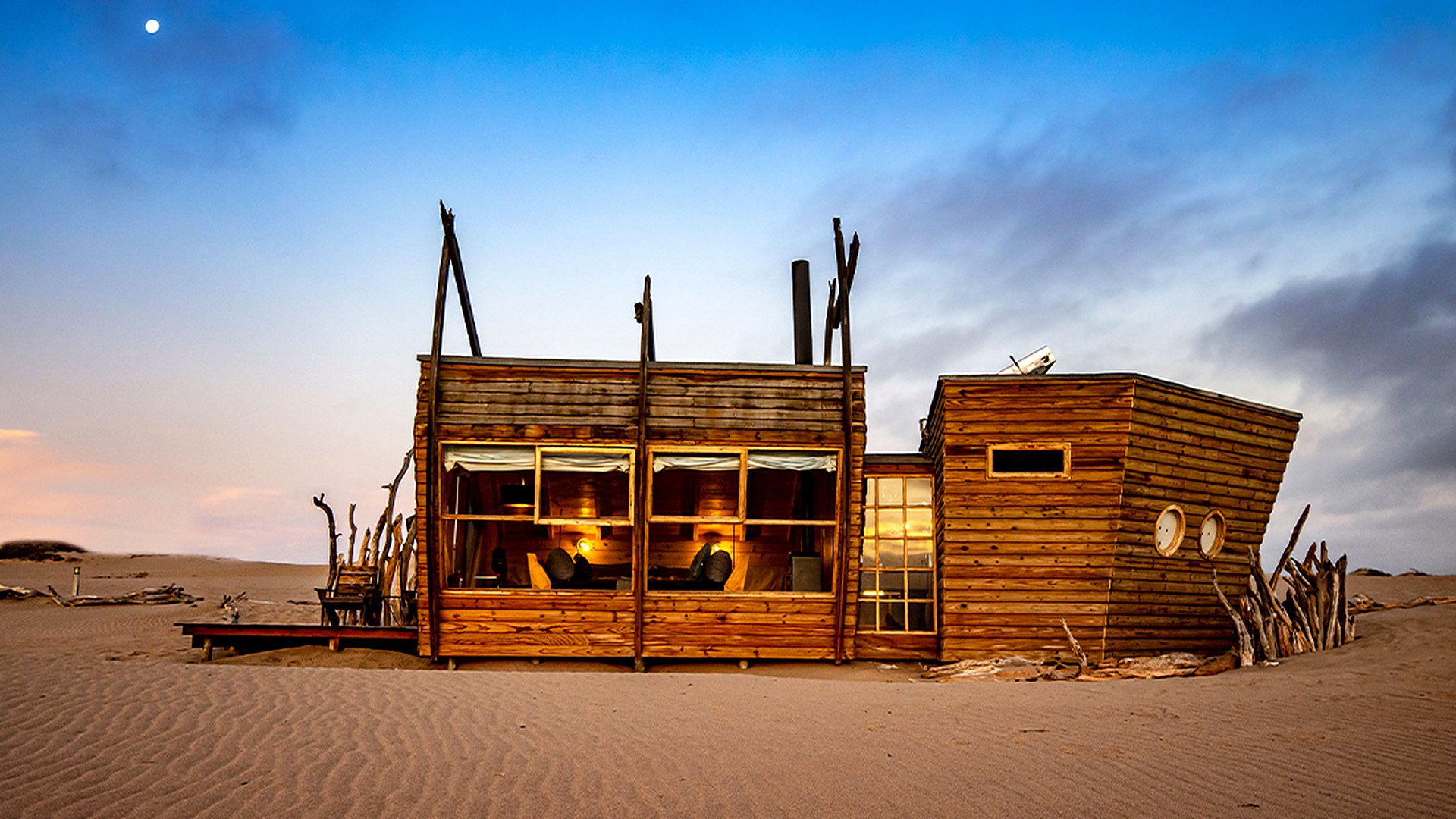
Shipwreck Lodge ★★★★★
From $900 per person per night. The only lodge inside the national park, with ship-shaped cabins on the dunes.
- 10 ship-shaped cabins
- Wood-burning stoves
- Atlantic dune views
- In-park exclusivity
Only accommodation within Skeleton Coast National Park
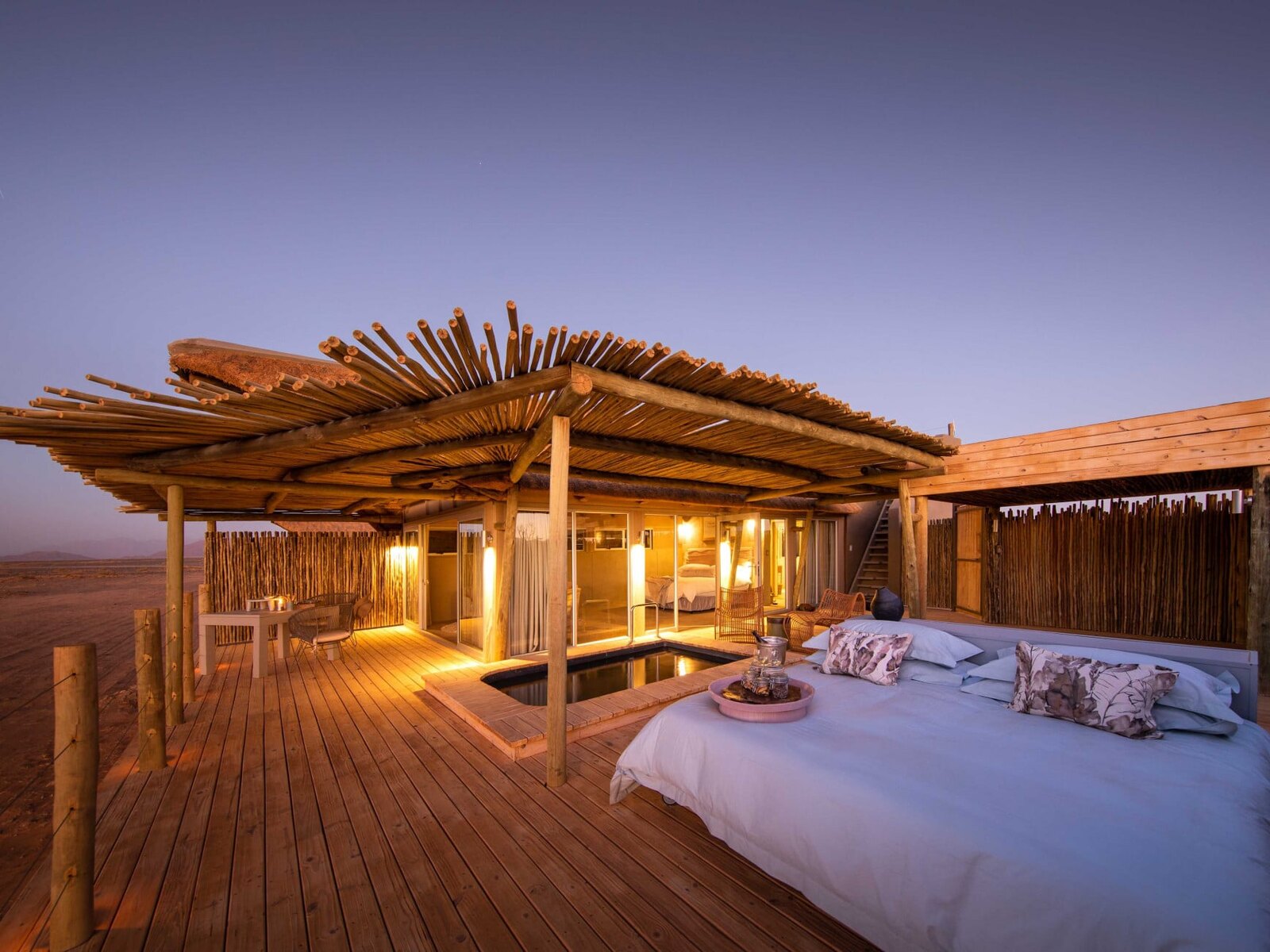
Hoanib Skeleton Coast Camp ★★★★★
From $1300 per person per night. Desert-adapted wildlife on the doorstep and a signature coast excursion.
- 8 tented suites
- Solar-powered
- Desert lion & elephant
- Coast excursion
Wilderness flagship desert camp
Hoanib Valley Camp ★★★★★
From $850 per person per night. Conservation-led camp in a spectacular valley of desert wildlife.
- 6 domed tents
- Giraffe conservation
- Community partnership
- Desert wildlife tracking
Community & conservation partnership
Timing Your Safari
Dry Season (May – October) (May–Oct). The best time for tracking desert lion, elephant and other wildlife along the riverbeds, with clear inland skies and cool, comfortable days. The coast stays cool and misty. Peak months are July to October. Wildlife: best riverbed tracking; weather Cool coast, mild inland.
Summer (November – April) (Nov–Apr). Hot inland days and a persistently cool, foggy coast. Seal pups arrive from late November, and dramatic desert light rewards photographers. Some areas become harder to reach after rain. Wildlife: seal pups, coastal birds; weather Hot inland, foggy coast.
Access & Logistics
The remote northern Skeleton Coast is reached almost exclusively by light aircraft — there are no public roads to the wilderness camps, and the fly-in over dune, canyon and shipwreck is a defining part of the experience. The southern stretch around Cape Cross and Swakopmund is accessible by guided 4x4. Most itineraries combine a fly-in camp with a scenic flight and coastal excursions.
- Windhoek: Light-aircraft charter (Fly-in)
- Swakopmund: Guided 4x4 or charter (≈ 200 km to southern coast)
Plan Your Journey
Every trip we craft to The Skeleton Coast, Namibia is private and built around you — your dates, your pace and the wildlife you most want to see. Our specialists have travelled this ground themselves and design each itinerary by hand. Contact our team to begin planning, or explore our The Skeleton Coast, Namibia destination guide for more detail.