Key Takeaways
- Private concessions are the Serengeti's ultimate secret — exclusive traversing rights, off-road driving, night drives & walking safaris unavailable in the national park.
- The Great Migration is a year-round cycle — calving season (Jan-Mar) in the south, river crossings (Jun-Jul) in the north, with private reserves delivering crowd-free access.
- Top concessions: Grumeti Reserves (340,000 acres west), Lamai Wedge (north, river crossings), Fort Ikoma (western corridor) — each offers unrivaled exclusivity.
- Premier lodges include Singita Faru Faru (ultra-luxury Grumeti), Four Seasons Safari Lodge (architectural icon), &Beyond Serengeti Under Canvas (mobile luxury) & Nomad Lamai.
- Budget $900-3,500 per person per night for all-inclusive private concession stays — Singita properties command top pricing, Four Seasons offers value luxury.
- Fly into concession airstrips — Grumeti, Lamai, Lobo & Kogatende strips serve private lodges with scheduled flights from Arusha (1 hour).
1. Why Private Concessions Beat the National Park
The Serengeti National Park is one of Africa's most celebrated wilderness areas — and one of its busiest. During peak migration months, a single cheetah sighting in the central Seronera area can attract 40+ safari vehicles. The solution? Private concessions.
These exclusive wilderness zones border the national park, forming an unfenced ecosystem where wildlife moves freely. But here's the critical difference: only guests staying within a concession can access it.
What you gain on a private Serengeti concession safari:
- Off-road driving freedom — Follow a lioness stalking through long grass, get within meters of a leopard kill. Prohibited in the national park where vehicles must stay on designated tracks.
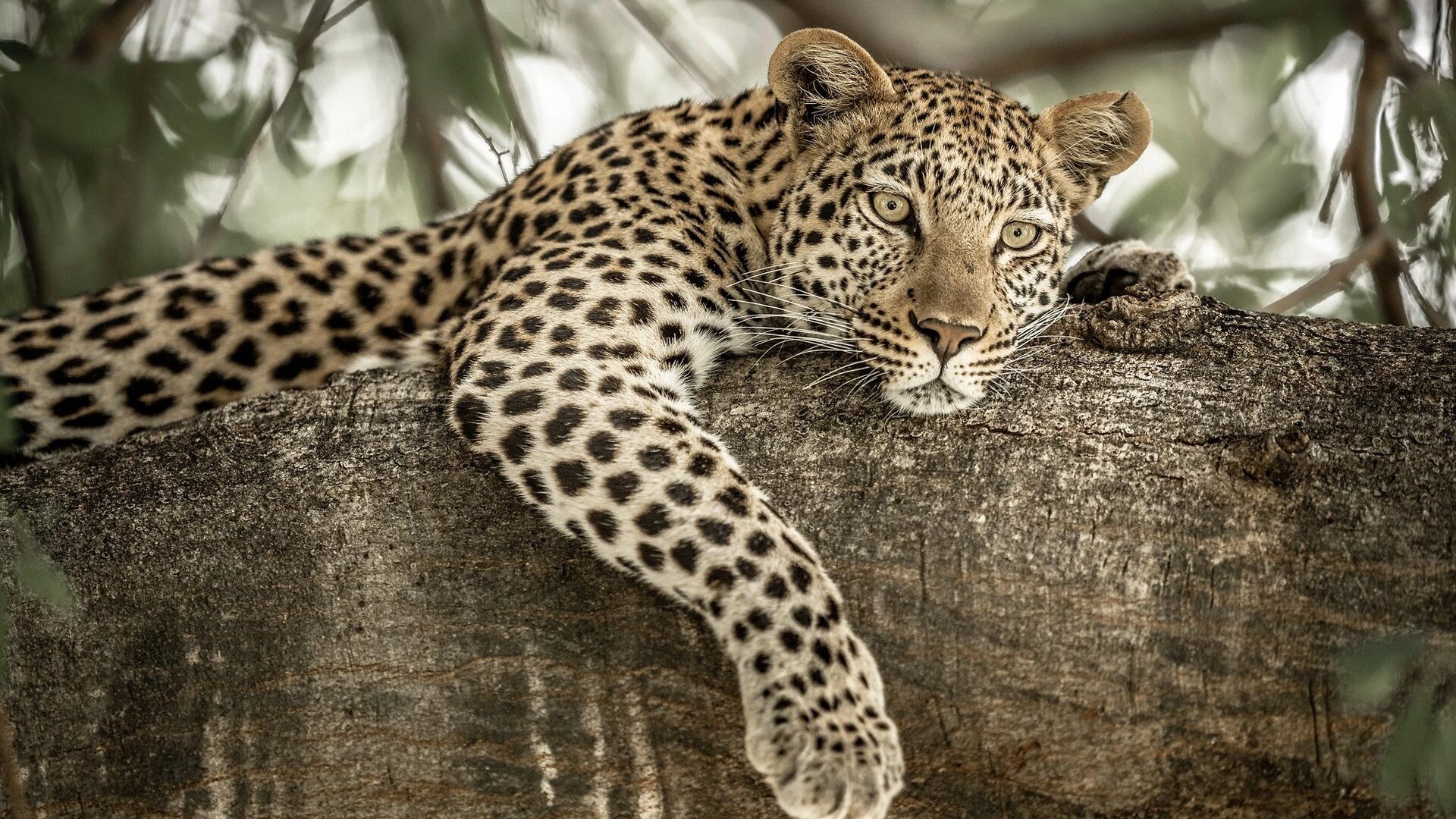
- Night drives — The Serengeti transforms after dark. Spot leopards, hyenas, honey badgers, genets, aardwolves — species rarely seen on day drives. Not permitted in the park.
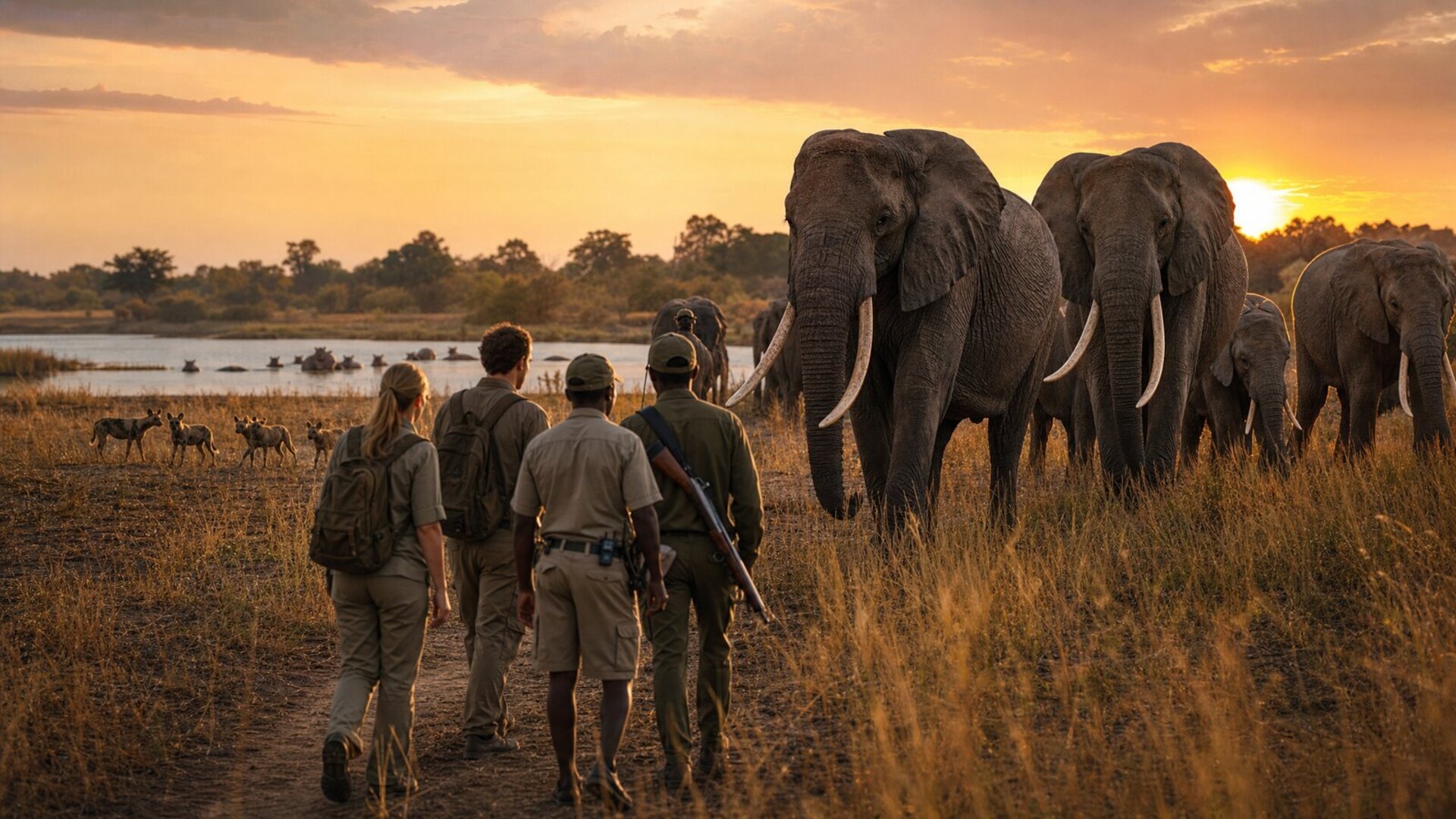
- Walking safaris — Track elephants on foot with armed rangers, learn about termite mounds and acacia ecology. Impossible in the park outside designated zones.
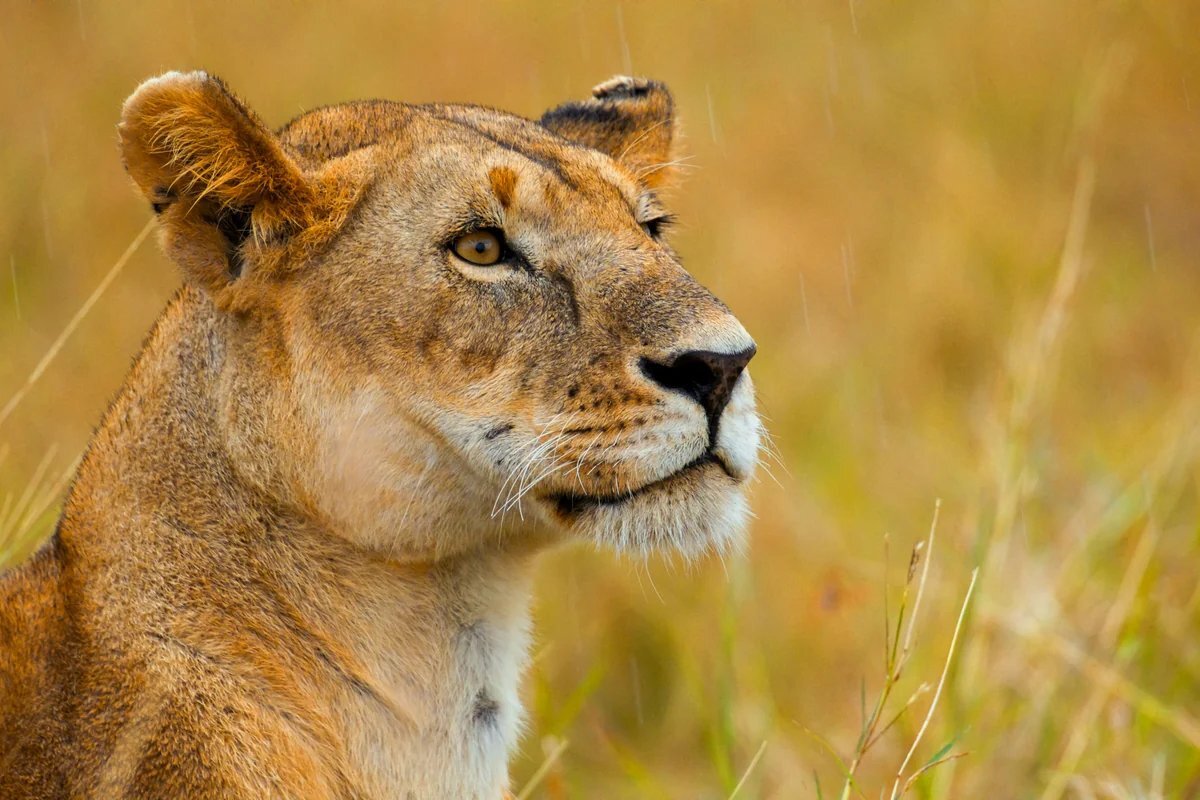
- Zero vehicle limits — Some concessions cap sightings at one or two vehicles. In the park? Expect 30+ at a lion kill.
- Massive exclusive zones — Grumeti Reserves alone spans 340,000 acres with just four lodges. That's 85,000 acres per property.
- Conservation impact — Concession fees fund anti-poaching, community development and wildlife corridors.
The national park remains essential for migration viewing — the herds cross through it. But for an intimate, crowd-free safari, private concessions are unmatched.
2. The Great Migration: Where & When to See It
The Serengeti hosts the planet's greatest wildlife spectacle: the Great Migration. Every year, 1.5 million wildebeest, 200,000 zebras and 300,000 Thomson's gazelles follow a 1,200-mile circuit chasing fresh grazing and water.
This isn't a single event — it's a year-round cycle. Understanding the timing is everything.
December to March — Calving Season in the Southern Serengeti
The herds gather on the southern Serengeti's short-grass plains (Ndutu area, bordering Ngorongoro). From late January through March, approximately 400,000 calves are born — 8,000 per day at the peak.
Why it's extraordinary: Predators feast. Lions, cheetahs, hyenas and leopards are everywhere. You'll witness multiple hunts daily. The sheer density of wildlife — hundreds of thousands of animals blanketing the plains — is overwhelming.
Private advantage: The Ndutu area falls within the Ngorongoro Conservation Area (not the park), where off-road driving is permitted. Stay at &Beyond Serengeti Under Canvas (mobile camp) or Nomad's Serengeti Safari Camp for exclusive access.
June to July — The Northern River Crossings
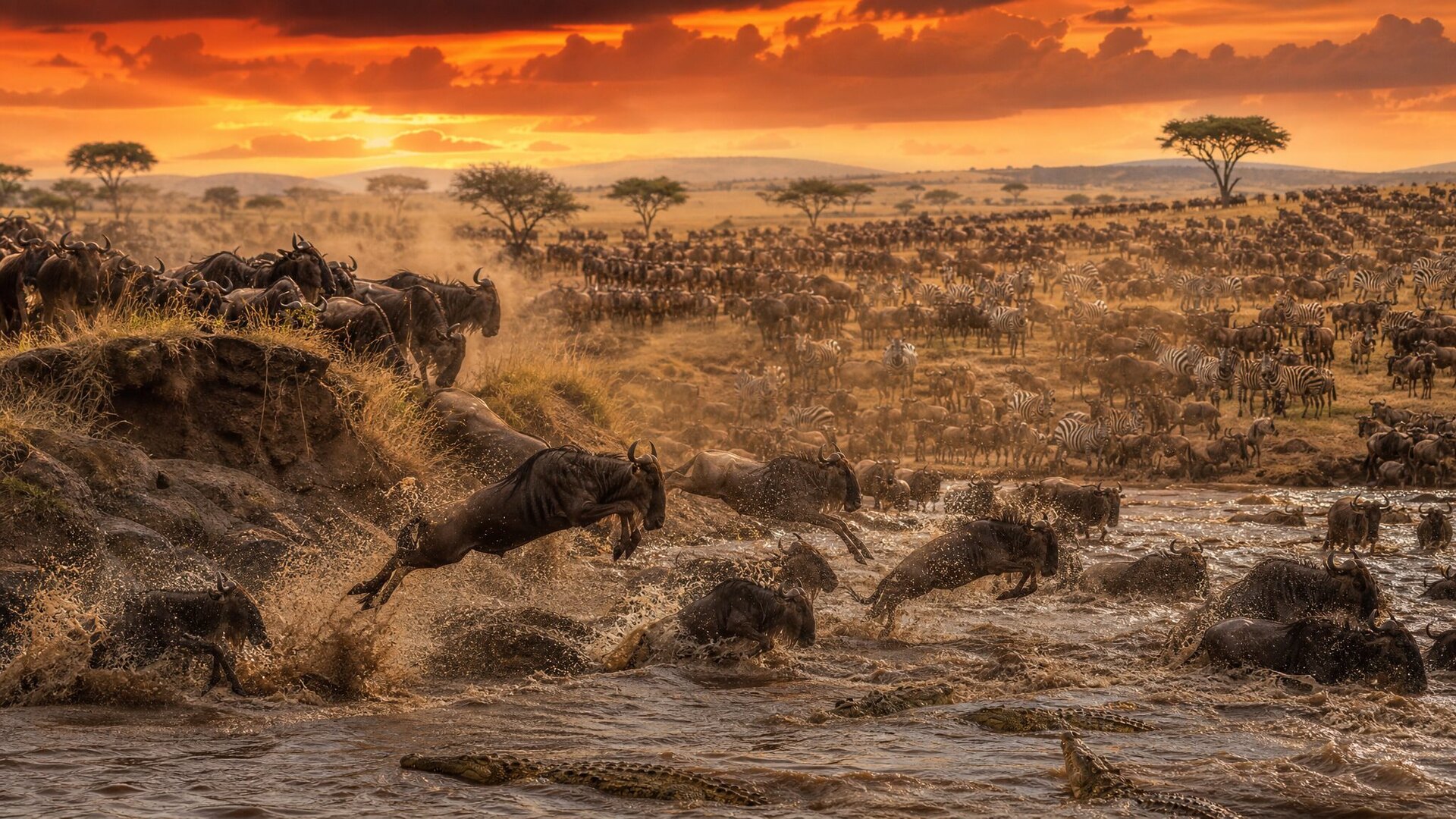
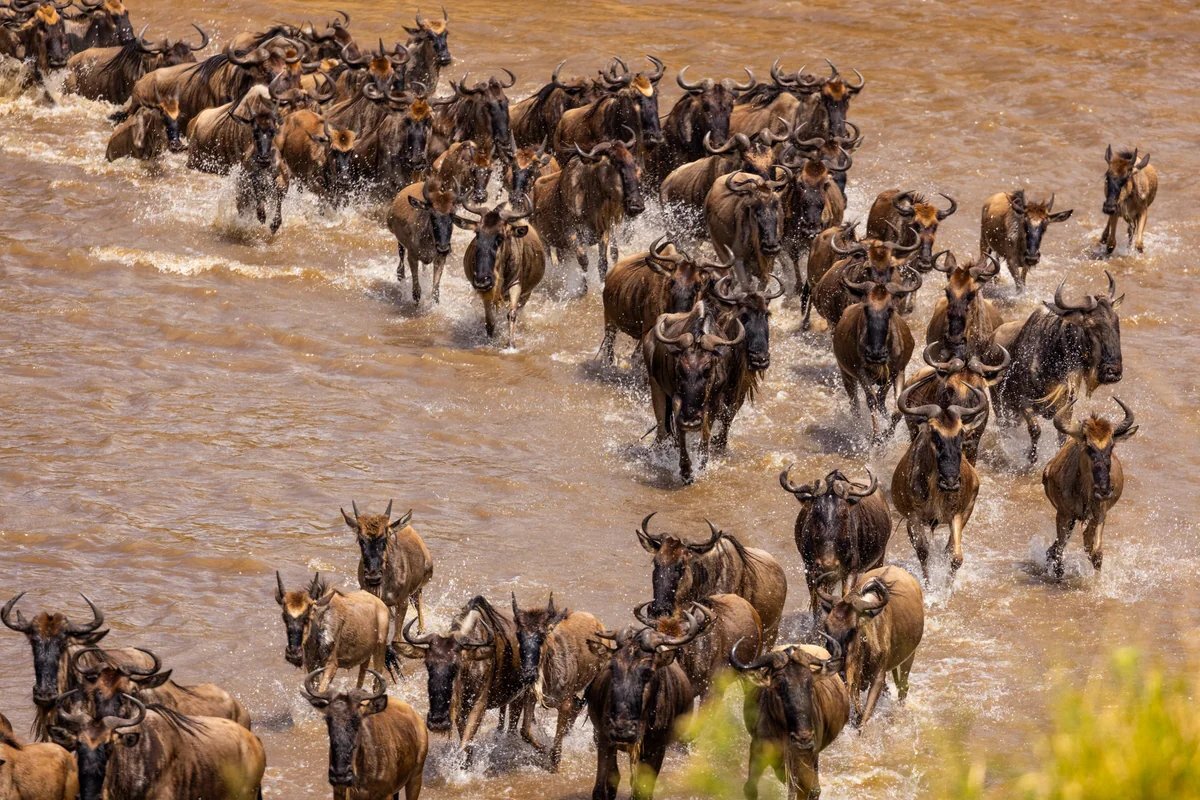
By June, the herds push north, arriving at the Mara River (northern Serengeti and Kenya's Masai Mara). Here, they face the migration's most dramatic test: crocodile-filled waters, steep banks, chaos.
Why it's iconic: This is the migration imagery you've seen on documentaries — thousands of wildebeest plunging into churning water, crocodiles lunging, calves swept downstream. It's nature unfiltered.
Private advantage: Stay in the Lamai Wedge (Nomad Lamai camp) — a private concession in the far north bordering the Mara River. You'll have front-row crossing access without the 50+ vehicle circus common at park-accessible crossing points.
Related journey: Luxury African Safaris →
April to May — The Western Corridor
The herds are moving northwest through the western corridor (Grumeti River area). Crossings here are smaller than the Mara River spectacle but still dramatic.
Private advantage: Singita's Grumeti Reserves dominate this zone. Stay at Singita Faru Faru or Sasakwa Lodge for ultra-exclusive migration viewing in a concession larger than many African countries' national parks.
3. Top 3 Private Concessions in the Serengeti
Grumeti Reserves — The Ultra-Luxury Gold Standard
At 340,000 acres (larger than London), Grumeti Reserves is Tanzania's most exclusive safari concession. Owned by Singita (Africa's leading luxury safari brand), it spans the western Serengeti corridor where the migration passes May-June.
Wildlife: Year-round resident Big Five, plus the migration. The Grumeti River hosts Tanzania's largest crocodiles — some exceeding 16 feet. Huge lion prides patrol the plains. Black rhino have been reintroduced.
Lodges: Just four Singita properties — Faru Faru (9 suites, contemporary design), Sasakwa Lodge (10 cottages, 1920s colonial elegance), Sabora Tented Camp (9 tents, Out of Africa aesthetic), Explore Mobile Camp (seasonal).
Best for: Travelers seeking the absolute pinnacle of safari luxury with near-guaranteed solitude. This is where Hollywood A-listers and tech billionaires safari.
Cost: $2,500-3,500 per person per night (all-inclusive).
Lamai Wedge — Migration River Crossings Without Crowds
The Lamai Wedge is a slim private concession in the far northern Serengeti, tucked between the park and Kenya's Masai Mara. It's bisected by the Mara River — the migration's crossing point.
Wildlife: July-October is peak season when wildebeest herds mass at the river. Resident elephants, leopards along the Mara's forested banks, and cheetahs on open grasslands.
Lodges: Nomad Lamai (12 tents, perched on a kopje overlooking the Mara River). One of Tanzania's best-positioned camps for crossings.
Best for: Migration purists wanting intimate river crossing access. Lamai delivers the spectacle with a fraction of the vehicle congestion seen at park-accessible crossing points.
Cost: $900-1,200 per person per night (all-inclusive).
Related journey: Big Five Safaris →
Fort Ikoma — Community-Owned Excellence
Fort Ikoma is a community conservancy on the Serengeti's western boundary. It offers a compelling blend of exclusivity, community benefit and excellent wildlife at more accessible pricing than Singita's estates.
Wildlife: The migration passes through June-July. Year-round lion prides, leopards and elephants. The concession's kopjes (rocky outcrops) are leopard magnets.
Lodges: Ikoma Wild Camp (8 tents, eco-luxury), Ikoma Tented Camp, plus several smaller properties.
Best for: Travelers wanting private concession benefits with a community conservation angle, at mid-luxury pricing.
Cost: $600-900 per person per night (all-inclusive).
4. Best Private Lodges & Camps
Singita Faru Faru — Contemporary Safari Perfection
Perched on a hill in the heart of Grumeti Reserves, Faru Faru redefines modern safari luxury. Nine suites with floor-to-ceiling glass, private plunge pools, a spa, wine cellar and one of Africa's finest safari dining experiences.
Why it's exceptional: The design is breathtaking — think Architectural Digest meets Out of Africa. Guiding is world-class (many guides have PhDs in ecology). The wildlife density around the lodge is extraordinary — elephants often drink at the waterhole 50 meters from the main deck.
Price: From $2,800 per person per night (all-inclusive). Worth it? If you can afford it, absolutely.
Four Seasons Safari Lodge Serengeti — Accessible Luxury
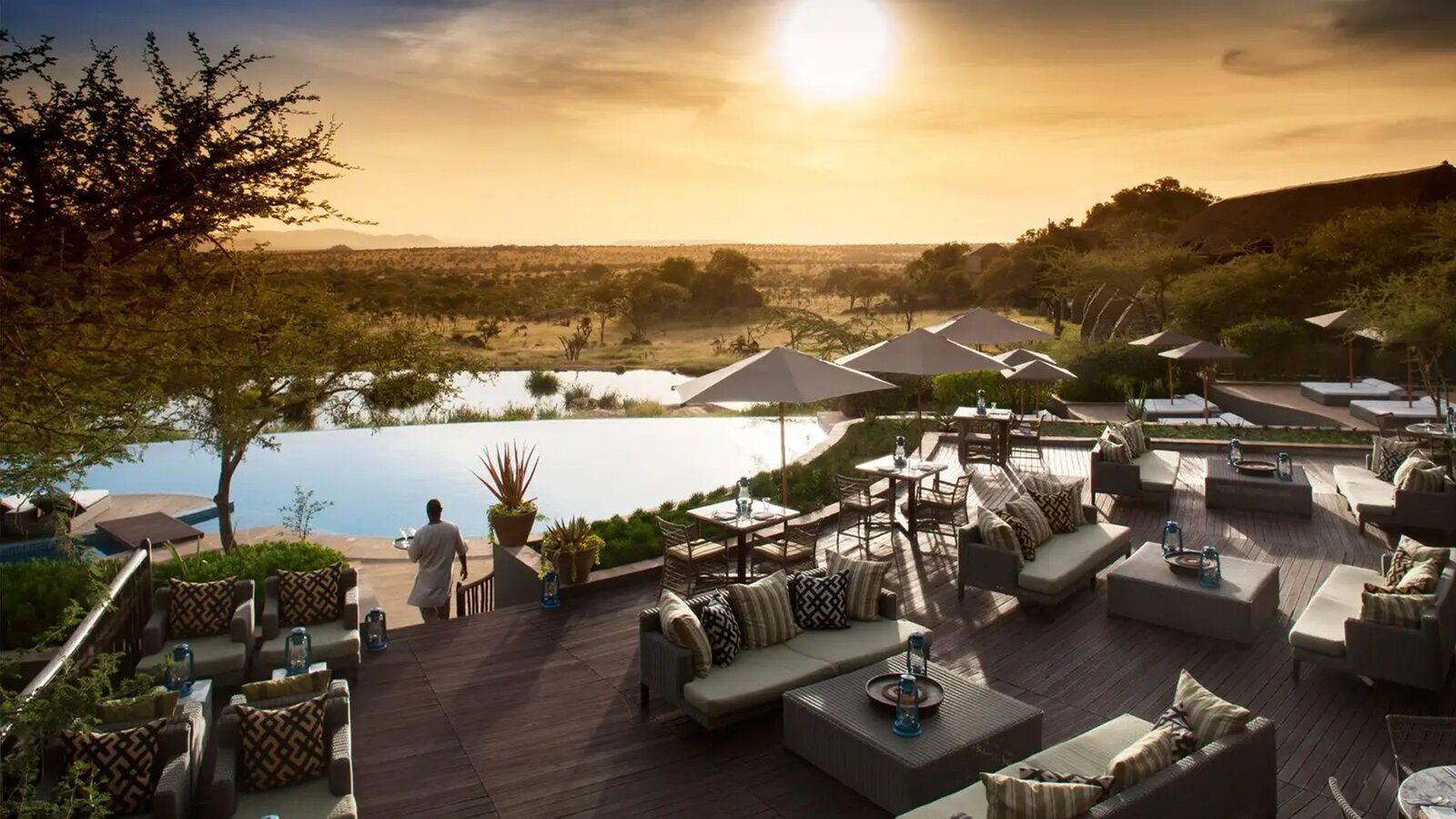
Not technically in a private concession (it's in the park near Seronera), but Four Seasons deserves mention for delivering five-star luxury at competitive pricing. The lodge sits on the edge of a wildlife corridor with an infinity pool overlooking a waterhole.
Why it's exceptional: You get Four Seasons service standards — plush rooms, exceptional food, a kids' club, and spa — at $900-1,200 per night. That's half the cost of Singita. The trade-off? You share game viewing with other park visitors. But the location is prime for year-round Big Five.
Price: From $950 per person per night (all-inclusive).
&Beyond Serengeti Under Canvas — Mobile Luxury
&Beyond operates seasonal mobile camps that follow the migration. These aren't basic tents — they're spacious walk-in canvas suites with en-suite bathrooms, king beds, Persian rugs and campaign furniture.
Why it's exceptional: You're camped in the middle of the migration. Wake to wildebeest grazing 20 meters from your tent. The camps move 3-4 times annually, so you're always positioned optimally. December-March they're in Ndutu for calving season.
Price: From $1,100 per person per night (all-inclusive).
Nomad Lamai — River Crossing Front Row
If your dream is watching Mara River crossings from your tent, Lamai is the answer. Twelve tented suites perched on a rocky outcrop, many with direct views over the river.
Why it's exceptional: Location, location, location. When the herds cross, you're there. The camp's guiding is superb, and Nomad's commitment to low-impact safari is genuine.
Price: From $1,050 per person per night (all-inclusive).
5. When to Visit: Migration Seasons Explained
January to March — Calving Season (Best for Predators)
The herds concentrate on the southern Serengeti's short-grass plains. This is the Serengeti at its most fertile — green landscapes, 400,000 newborn calves, and predators hunting relentlessly.
What to expect:
- Incredible predator action — Lions, cheetahs and hyenas feast on vulnerable calves. You'll witness multiple hunts daily.
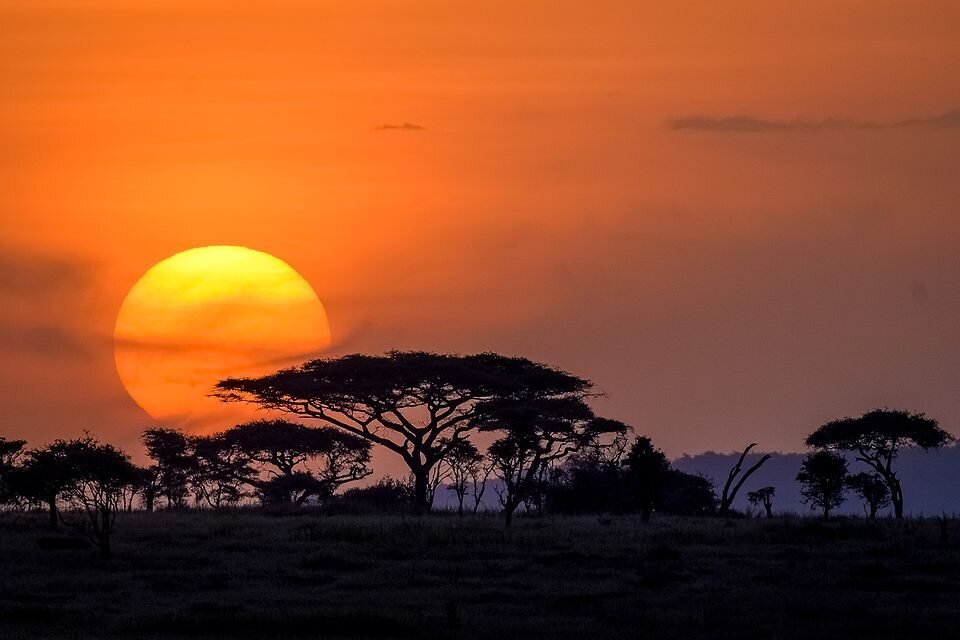
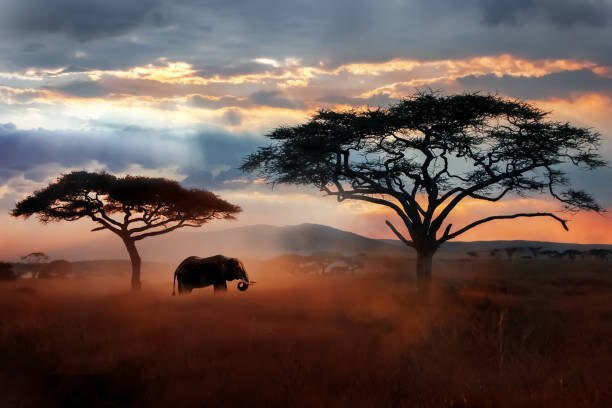
- Photogenic landscapes — The short-grass plains dotted with acacia trees and golden-hour light are visually stunning.
- Fewer tourists — January-February is low season. Lodges offer 20-30% discounts.
- Baby animals everywhere — Not just wildebeest — zebras, gazelles and warthogs also calve.
Where to stay: &Beyond Serengeti Under Canvas (Ndutu), Nomad Serengeti Safari Camp.
June to July — River Crossings (Best for Drama)
The herds arrive at the Mara River in the northern Serengeti. Crossings aren't daily — they can be sporadic. But when they happen, it's the migration's most iconic moment.
What to expect:
- Massive herds — Hundreds of thousands of wildebeest mass on the riverbanks, waiting to cross.
- Chaos and carnage — Crocodiles take wildebeest mid-crossing. Calves drown. It's visceral.
- Peak-season crowds — July-August is high season. Book 12 months ahead.
- Hot air balloon safaris — The northern Serengeti's morning balloon flights offer aerial migration views.
Where to stay: Nomad Lamai (private concession with river access), Sayari Camp.
April to May — Green Season (Best for Value)
Tanzania's long rains. The herds are transitioning northwest through the western corridor. This is the Serengeti's least visited season — but don't dismiss it.
What to expect:
- Dramatic thunderstorms — Afternoon rains, but mornings are usually clear for game drives.
- Lush, green landscapes — The Serengeti transforms. Stunning for photography.
- Big discounts — 40-50% off at some lodges.
- Excellent resident wildlife — Big Five viewing remains superb.
Where to stay: Four Seasons (stays open year-round), Singita Grumeti (May is prime for western corridor migration).
October to November — Short Rains & Southern Migration Return
The herds begin their southern journey back toward the short-grass plains. It's a transitional period — wildlife is spread across the ecosystem.
What to expect:
- Fewer tourists — Post-peak season lull.
- Rutting season — May-June sees male wildebeest competing for mates. Testosterone-fueled clashes everywhere.
- Variable weather — Short rains are unpredictable. Some years are dry.
6. How to Book a Private Serengeti Safari
Private concession safaris require more planning than a standard Serengeti trip. Here's how to do it right:
Choose Your Season First, Then Your Concession
Start with timing:
- Want calving season? January-March → Southern Serengeti (&Beyond Under Canvas, Nomad Serengeti Safari Camp)
- Want river crossings? June-July → Lamai Wedge (Nomad Lamai) or northern park
- Want western corridor migration + ultra-luxury? May-June → Grumeti Reserves (Singita)
- Want year-round Big Five + value? Central Serengeti (Four Seasons)
Then select a lodge within that zone based on budget and style.
Fly In — Don't Drive
The 7-hour road journey from Arusha to the Serengeti is punishing. Scheduled flights to concession airstrips take 60-90 minutes and cost $250-400 per person each way.
Main airstrips: Grumeti (for Singita properties), Lamai, Kogatende (northern Serengeti), Seronera (central), Ndutu (south). Coastal Aviation and Regional Air fly multiple daily services.
Budget Realistically
Private Serengeti safaris are expensive — and worth it:
- Ultra-luxury (Singita): $2,500-3,500 per person per night (all-inclusive)
- High-end luxury: $1,100-1,800 per person per night (&Beyond Under Canvas, Nomad Lamai)
- Mid-luxury: $900-1,200 per person per night (Four Seasons, community concessions)
- Flights: $600-800 per person round-trip Arusha-Serengeti
- Park fees: $60 per person per day (often included in lodge rates)
A 5-night private Serengeti safari for two guests averages $12,000-25,000 all-in.
Combine with Ngorongoro Crater
Nearly every Serengeti safari includes 1-2 nights at Ngorongoro Crater — Africa's "Garden of Eden" and the world's largest intact volcanic caldera. It's a 3-hour drive from the southern Serengeti.
Why visit Ngorongoro: Guaranteed Big Five in a single day (it has the world's densest concentration of predators), stunning scenery, and lodges like &Beyond Ngorongoro Crater Lodge (the most beautiful safari property in Africa).
7. Private Safari Activities Beyond Game Drives
Hot Air Balloon Safaris — Aerial Migration Views
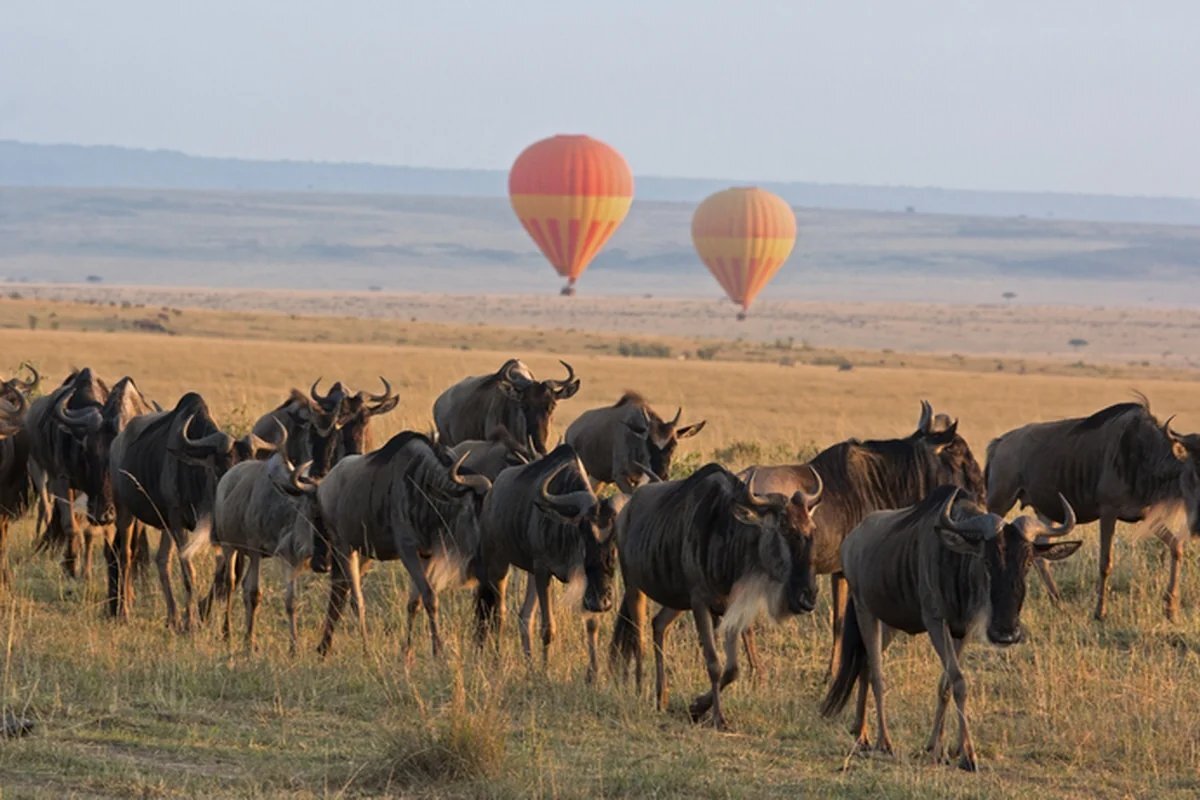
Launching at dawn, you'll float silently over the plains as wildebeest herds stretch to the horizon. Balloons operate from multiple locations: central Serengeti (year-round), Ndutu (calving season), northern Serengeti (migration season).
Cost: $550-600 per person. Book through your lodge.
Night Drives — Nocturnal Revelations
Only permitted in private concessions and certain Ngorongoro areas. After dark, the Serengeti transforms. Expect leopards, servals, civets, genets, aardwolves, honey badgers and porcupines — species rarely seen on day drives.
Walking Safaris — Intimate Bush Encounters
Walk with an armed ranger and Maasai guide through the Serengeti ecosystem. Learn to identify animal tracks, understand termite ecology, approach elephants on foot. Available in private concessions and certain park zones.
Cultural Visits — Maasai Villages
Visit a genuine Maasai boma (homestead), meet elders, learn about pastoralism and beadwork. Most concessions have community partnerships that ensure visits are authentic, not performative.
8. Practical Planning: What You Need to Know
Visa & Entry Requirements
Tanzania offers e-visas ($50 for most nationalities) processed in 5-10 business days. Yellow fever vaccination required if arriving from endemic countries (Kenya, Uganda, Rwanda).
Malaria Precautions
The Serengeti is a malaria zone. Take prophylaxis (Malarone or doxycycline), use DEET repellent, sleep under nets (all lodges provide them). Risk is highest during rainy seasons.
What to Pack
Neutral safari colors (khaki, olive, brown, beige). Layers — early morning drives can be cold (50°F/10°C), midday hot (85°F/29°C). Quality binoculars (10x42 recommended), camera with telephoto lens (400mm+ ideal), wide-brimmed hat, sunscreen SPF 50+, lip balm.
Most luxury lodges provide insect repellent, but bring your own DEET spray.
Tipping Etiquette
Guide: $25-40 per guest per day (hand directly to your guide at trip end). Camp staff (pooled): $20-30 per guest per day (give to camp manager for distribution).
Connectivity
Most top lodges now offer WiFi in main areas (not tents — by design). Cell coverage in the Serengeti is patchy. Embrace the digital detox.
Combine with Zanzibar
The classic Tanzania itinerary: 5-6 nights Serengeti/Ngorongoro + 4-5 nights Zanzibar beach. Fly Serengeti to Zanzibar via Arusha (daily flights, 2.5 hours total travel).
Zanzibar highlights: Stone Town (UNESCO World Heritage Site), white-sand beaches, spice tours, diving/snorkeling.
Related journey: Tanzania Safari Packages →
Ready to Plan Your Private Serengeti Safari?
Our team specializes in crafting exclusive Serengeti private concession safaris. We'll match you with the perfect lodge for your migration timing, secure balloon safari slots, arrange helicopter transfers, and handle every detail from flights to final sundowners.