Key Takeaways
- Neither one is "better" — they are different experiences. A migration safari is about spectacle and scale; a regular safari is about intimacy, reliability and the Big Five. The right choice depends entirely on what you want from the trip.
- A migration safari is higher-drama but higher-stakes. The crossings and the herds are unforgettable, but they demand precise timing, mean more travel, cost more per night, and draw crowds at the famous rivers. Nothing is guaranteed — it is wild, not scripted.
- A regular safari is more reliable and often better value. Big-Five game viewing, world-class guiding and unhurried days are available year-round across Southern and East Africa, frequently at a friendlier price and a gentler pace — ideal for first-timers and families.
- Timing is the deal-breaker for the migration. The herds and crossings only happen in certain places at certain months. A regular safari works almost any time of year, which makes it far more flexible to plan around your life.
- The smartest trip often combines both. A few nights on the migration for the drama, plus time in a classic Big-Five reserve for the intimacy, gives you the best of both worlds — and it is exactly the kind of trip we build most often.
You have decided to go to Africa. The dream is real, the savings are growing, and then — almost immediately — you hit the question that stalls thousands of trips before they begin. Do you build the whole thing around the Great Migration, the river crossings and the thunder of two million wildebeest? Or do you keep it simple and go on a "normal" safari — the Big Five, the sundowners, the unhurried game drives — without chasing a moving spectacle across a continent?
It is a genuinely hard choice, and most of the advice online is useless because it is trying to sell you one answer. The truth is that a migration safari and a regular safari are two different kinds of holiday that happen to share a Land Cruiser. One is theatre; the other is intimacy. One is a once-in-a-lifetime event you travel to catch; the other is a reliable pleasure you can enjoy almost any week of the year. This guide is our honest attempt — as an owner-run team that plans both every single week — to lay out the real differences so you can choose the trip that is right for you, not for our margins.
What a migration safari actually is
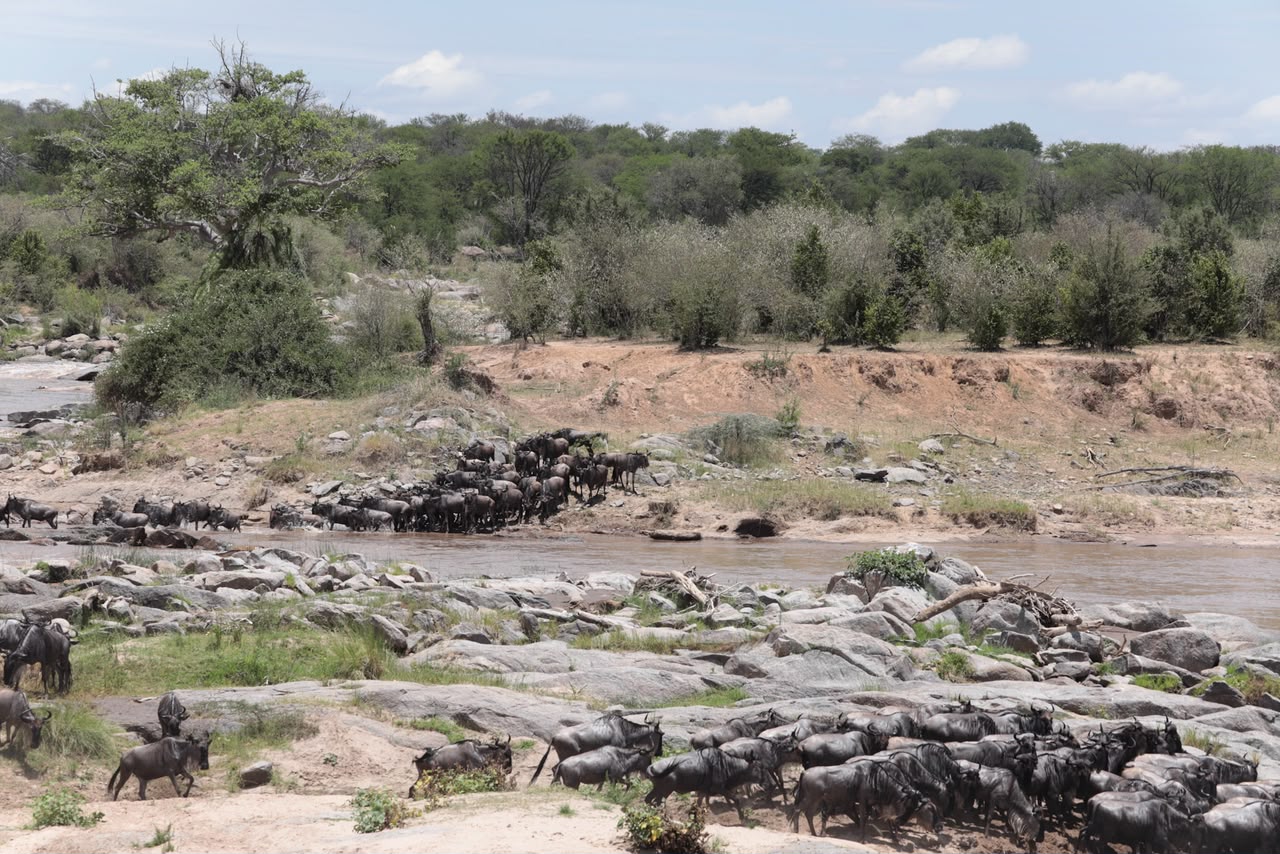
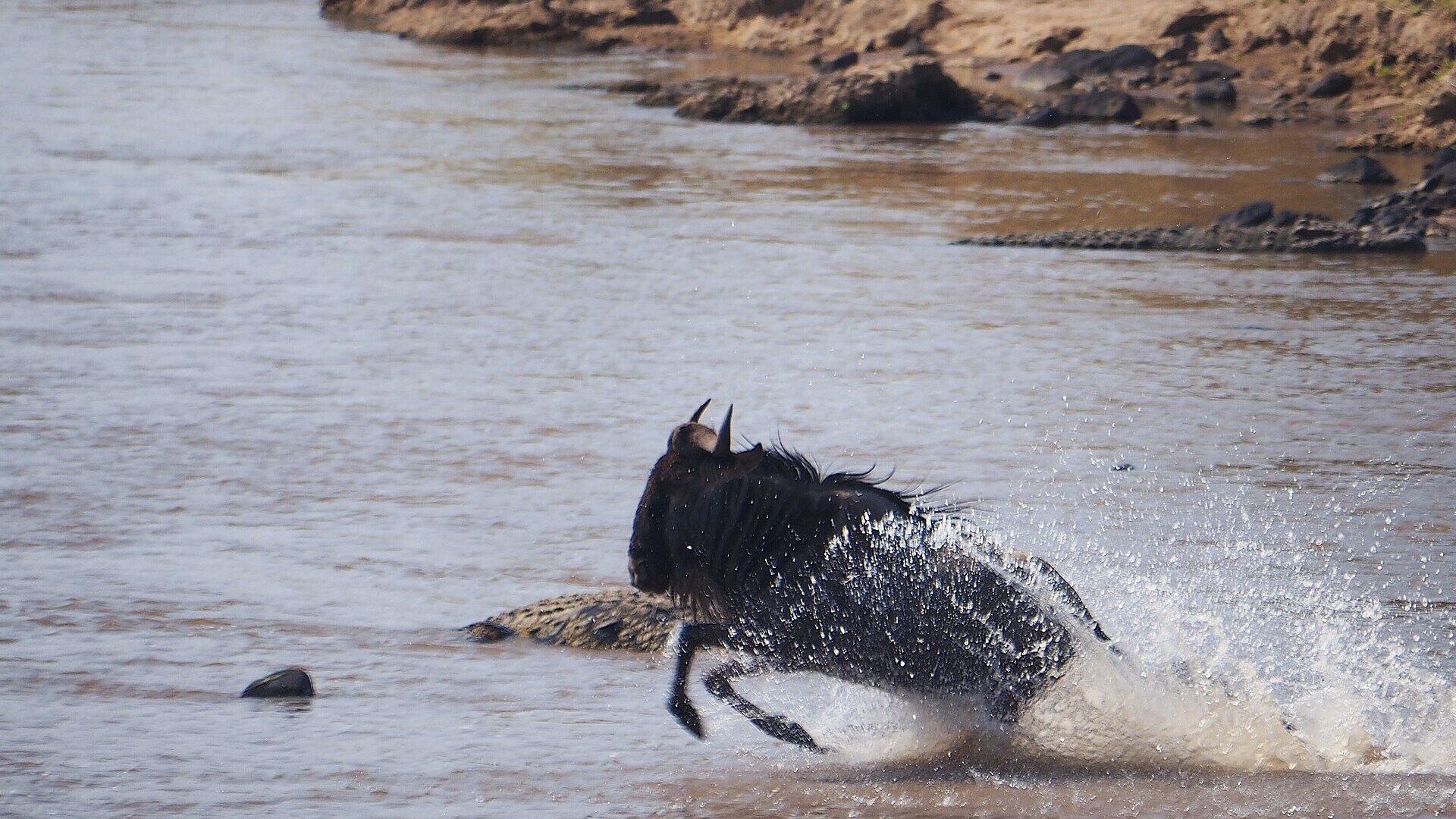
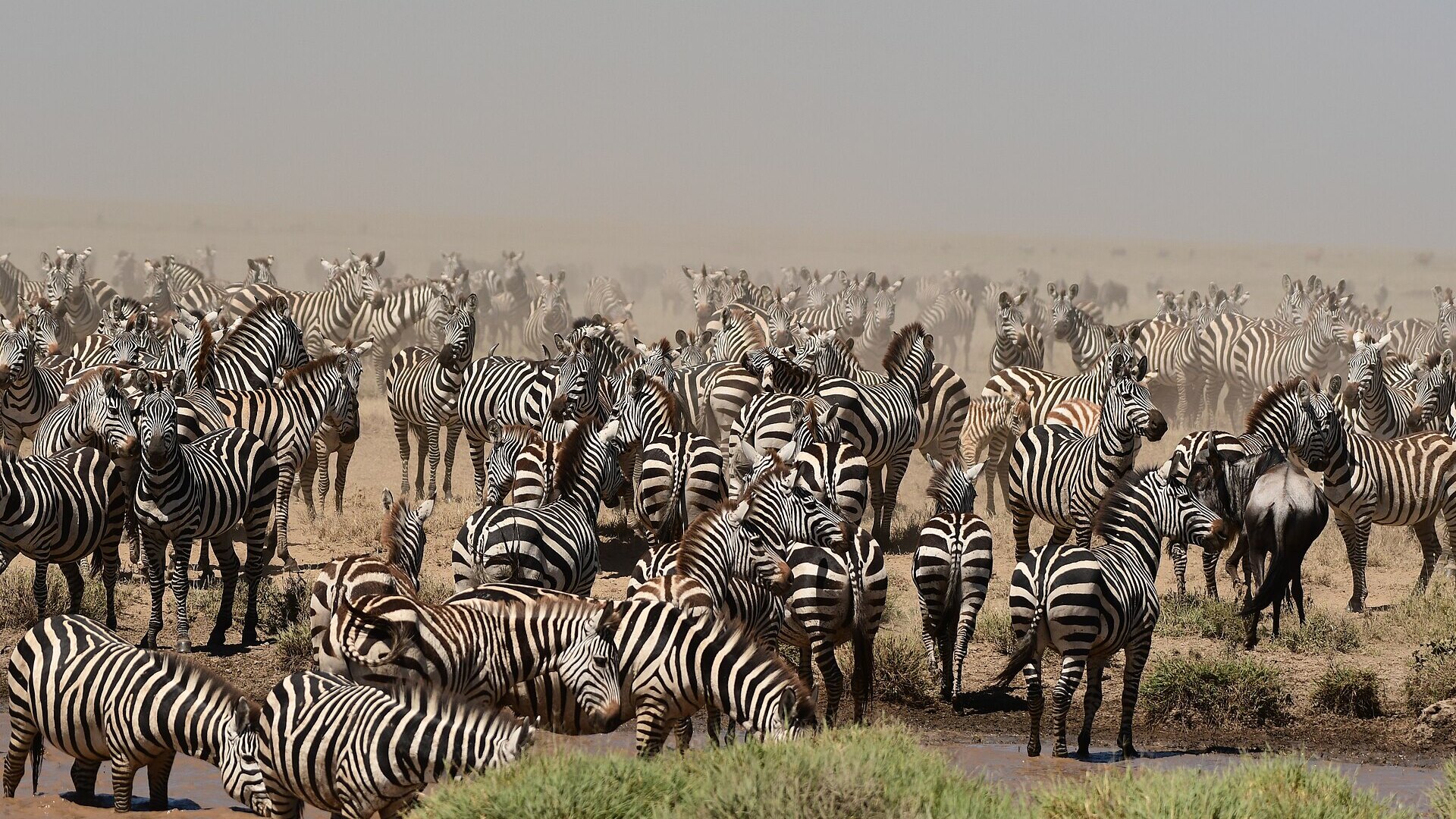
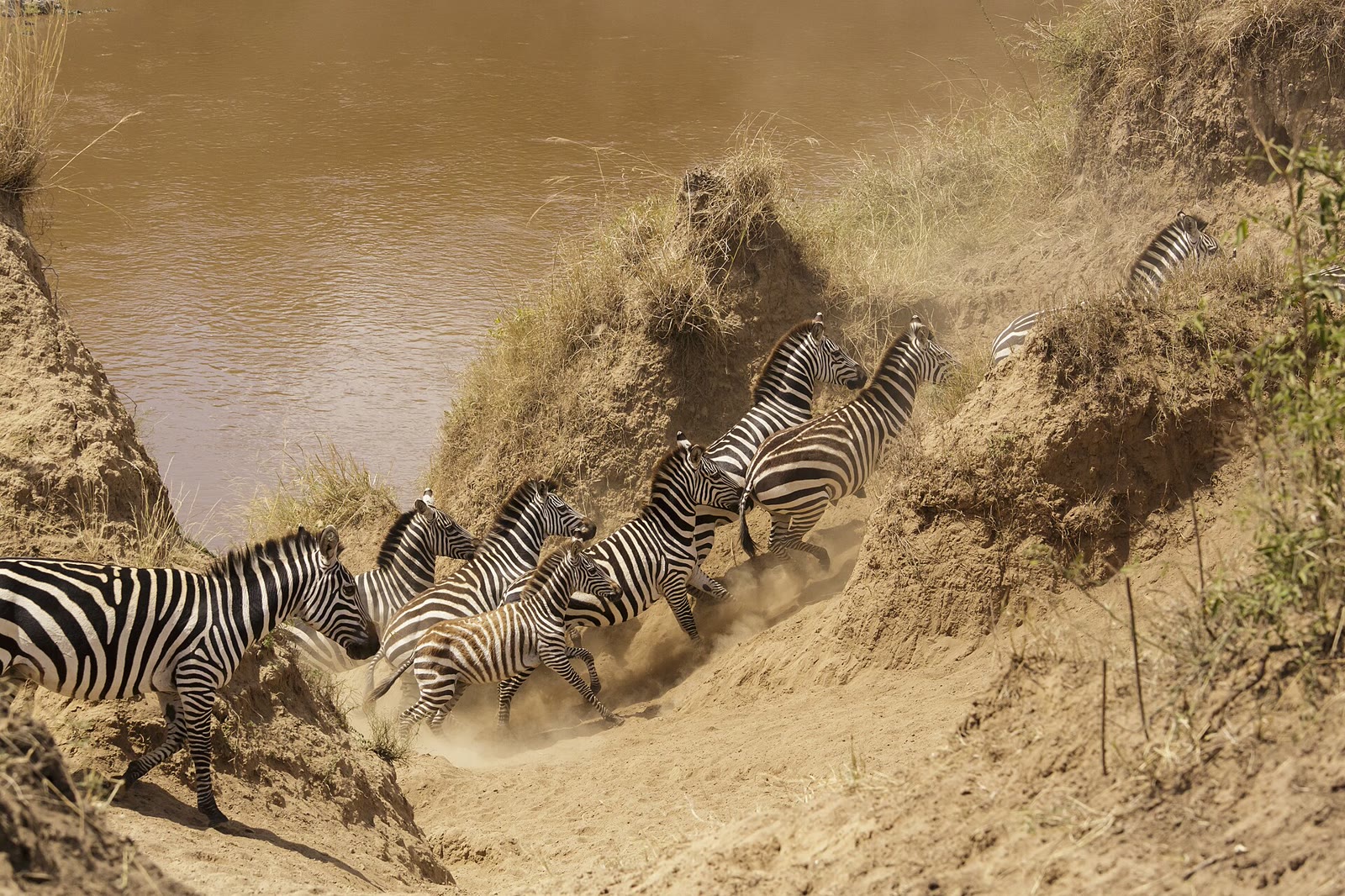
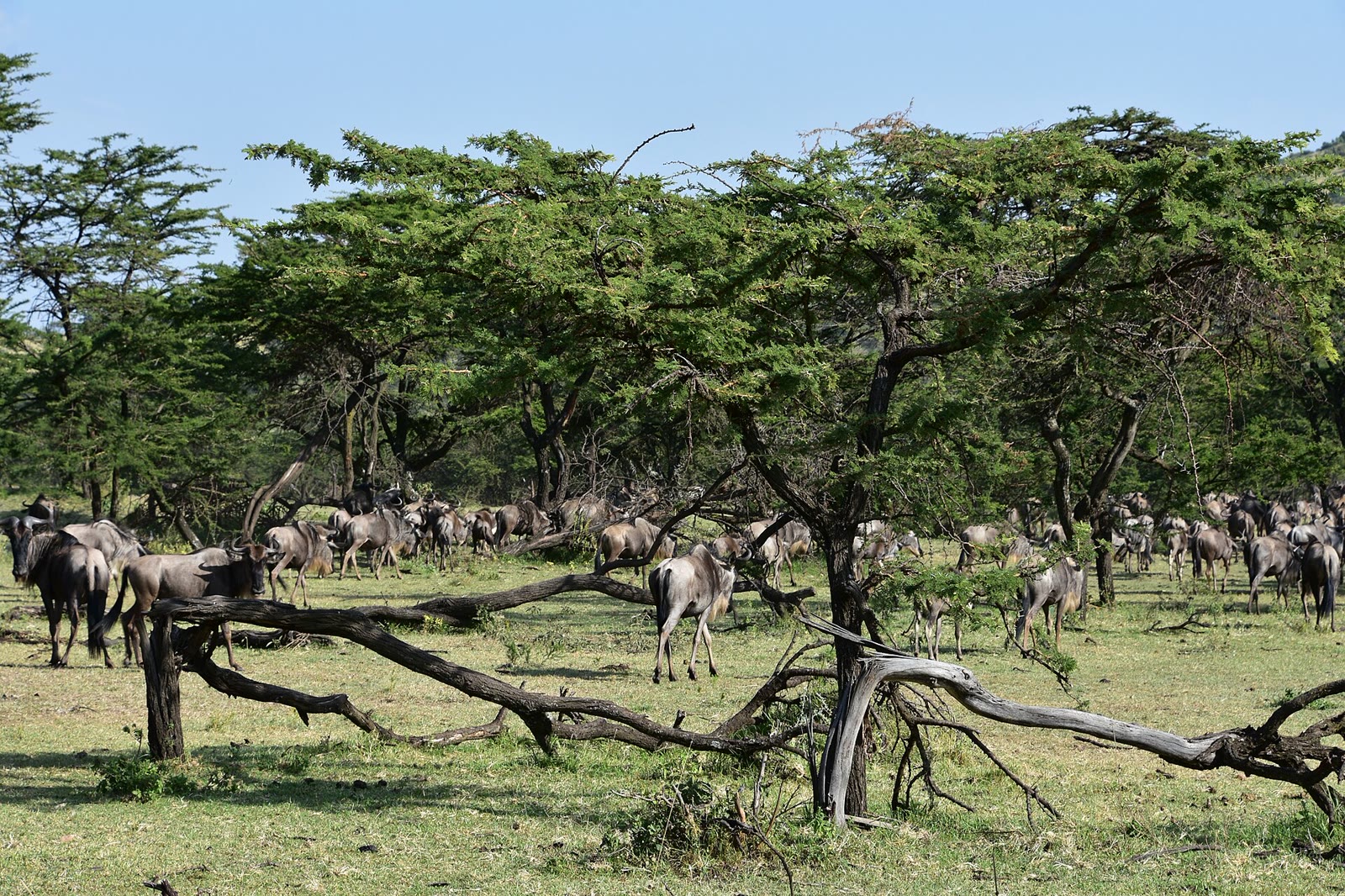
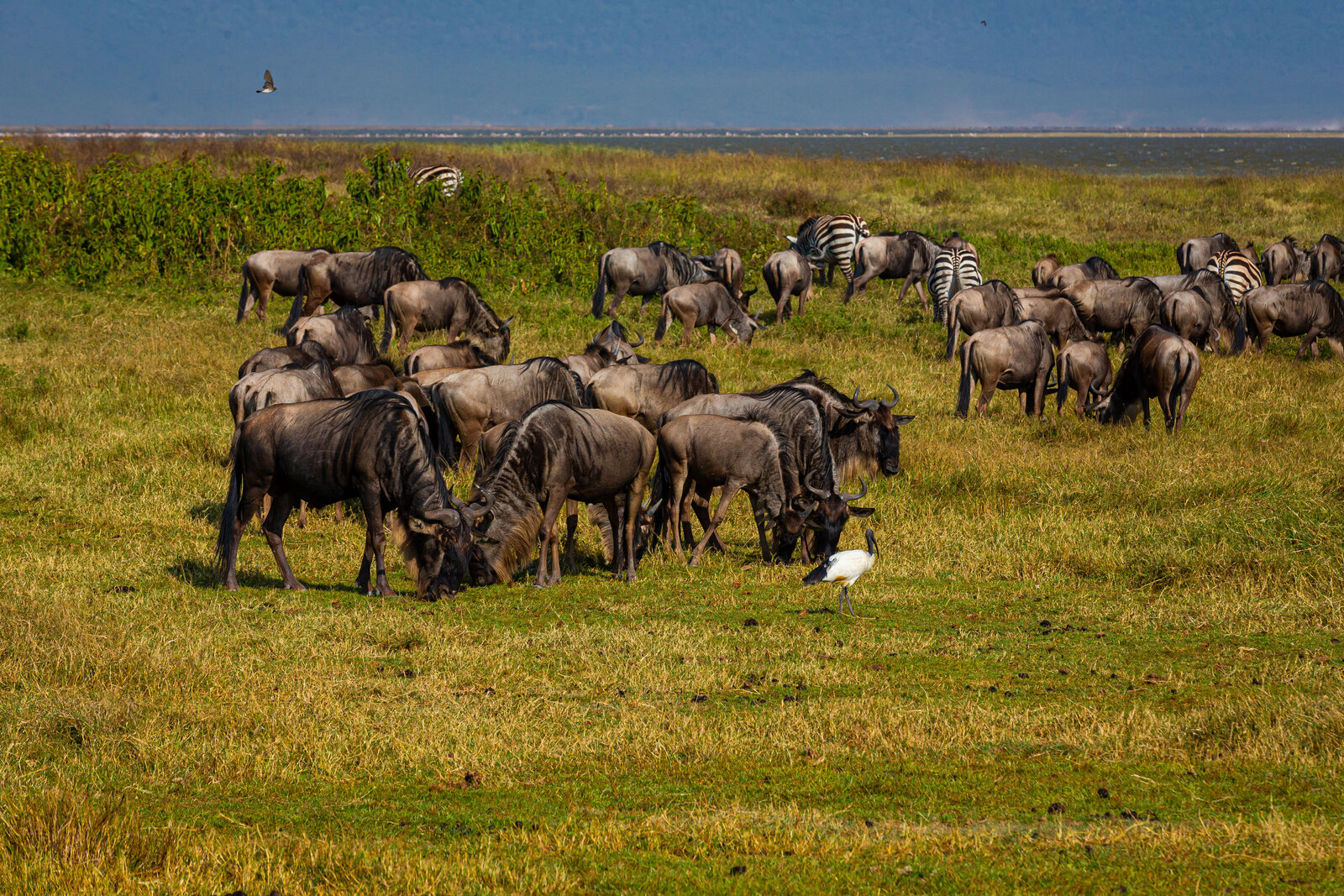
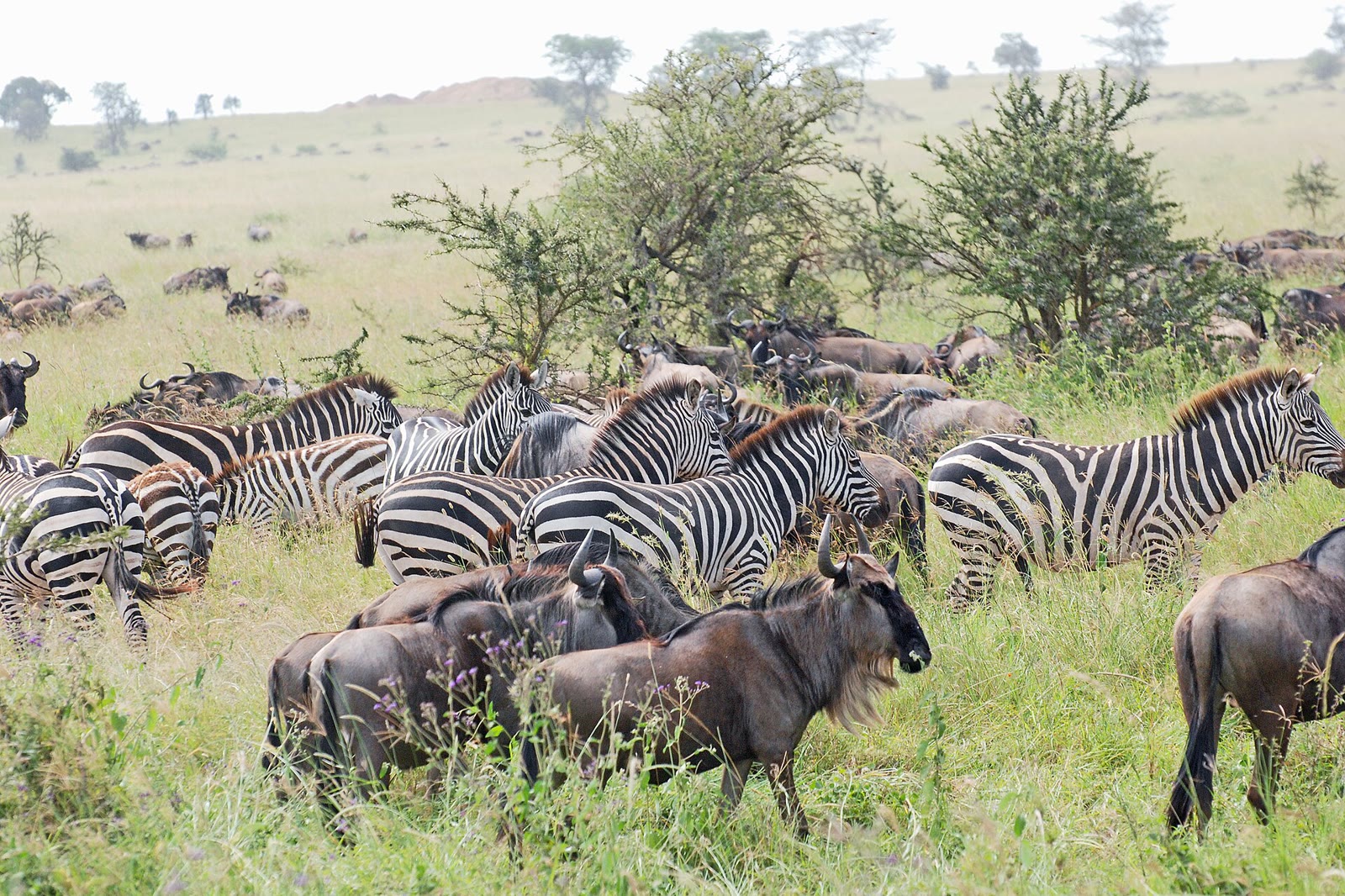
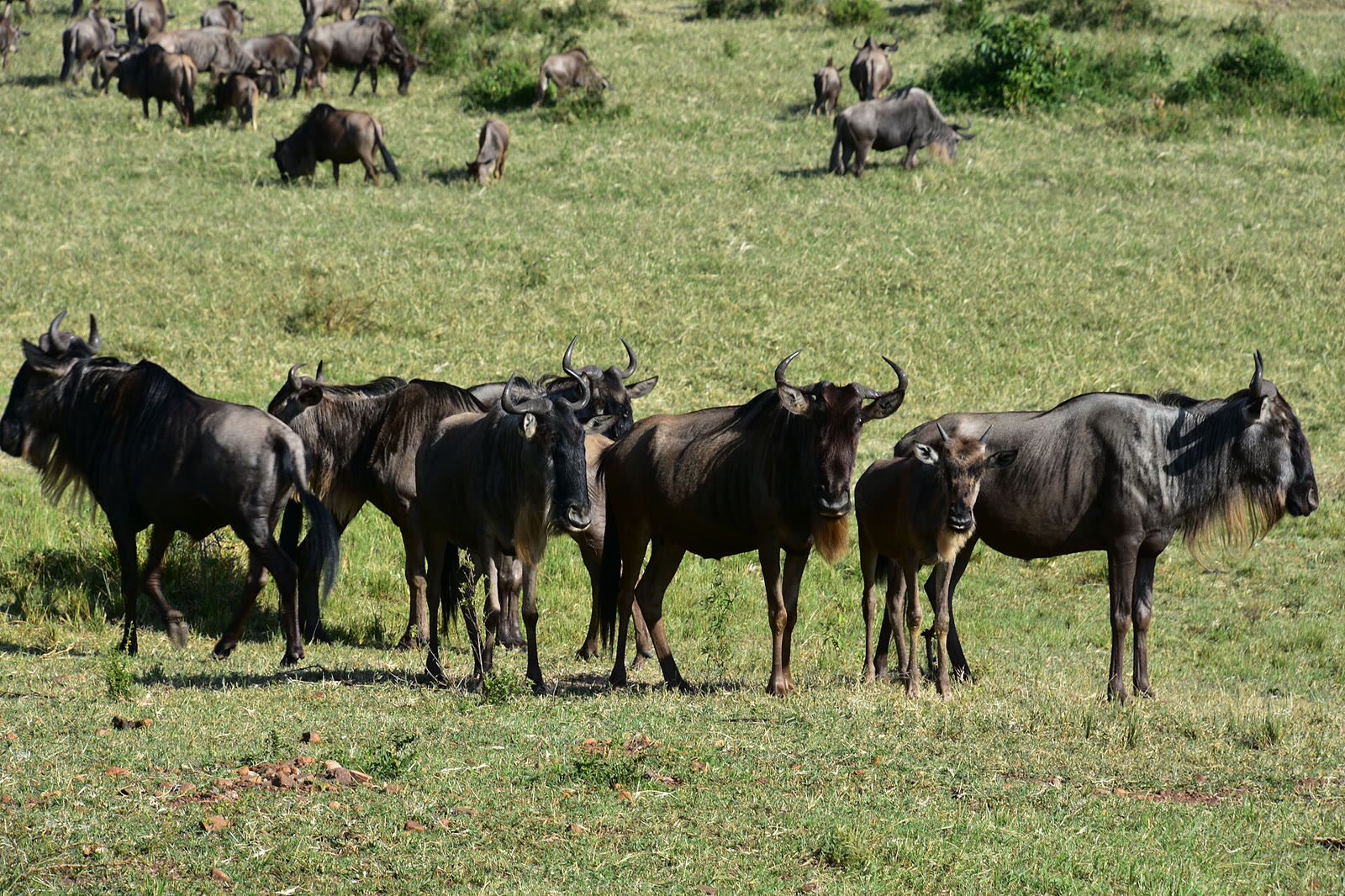
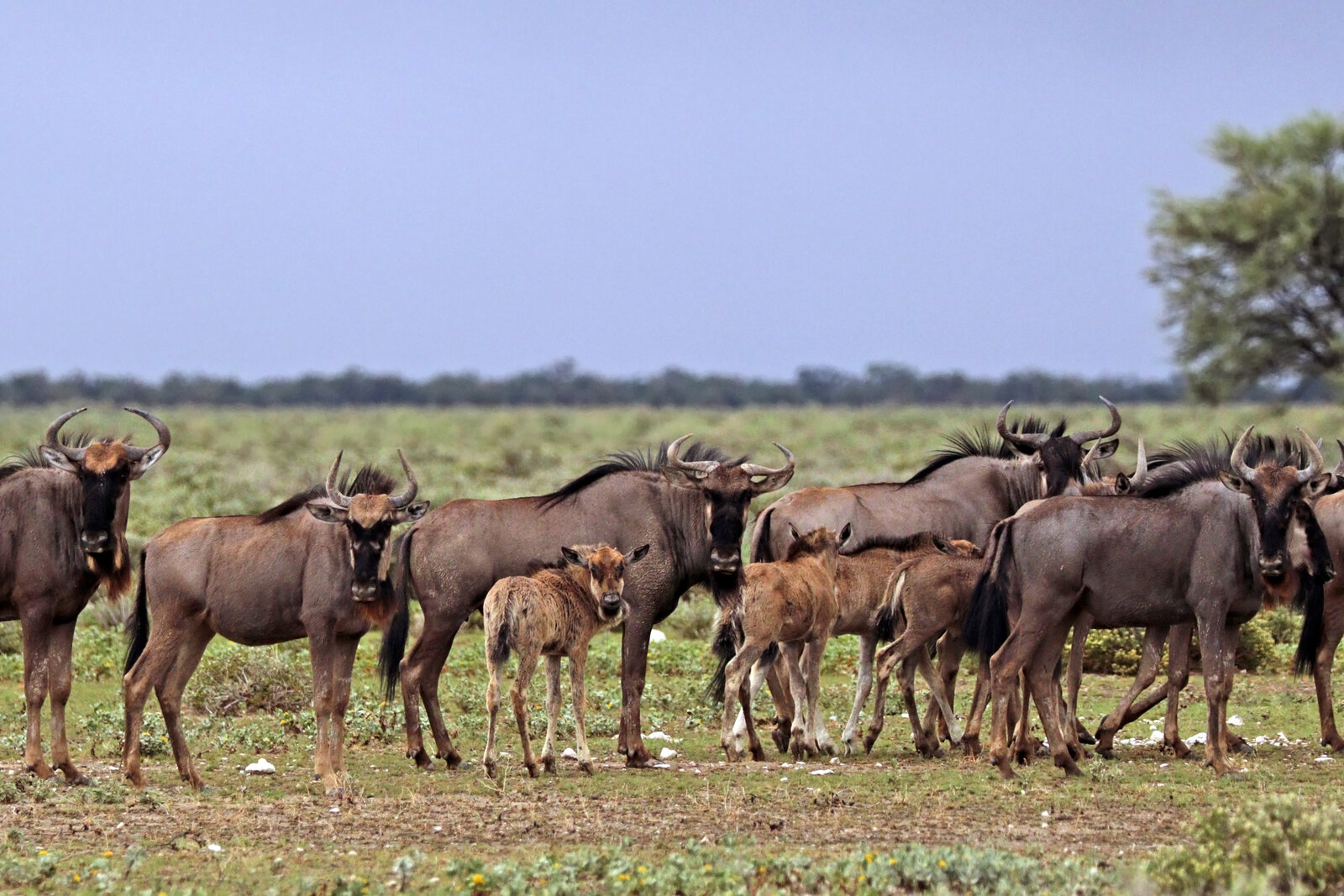
A migration safari is a trip built around one thing: being in the right place to witness the Great Migration — the year-round movement of up to two million wildebeest, plus hundreds of thousands of zebra and gazelle, in a vast clockwise loop across the Serengeti in Tanzania and the Masai Mara in Kenya. It is the largest overland animal journey on Earth, and at its dramatic peak — the river crossings of the dry season — it is arguably the most thrilling wildlife event on the planet.
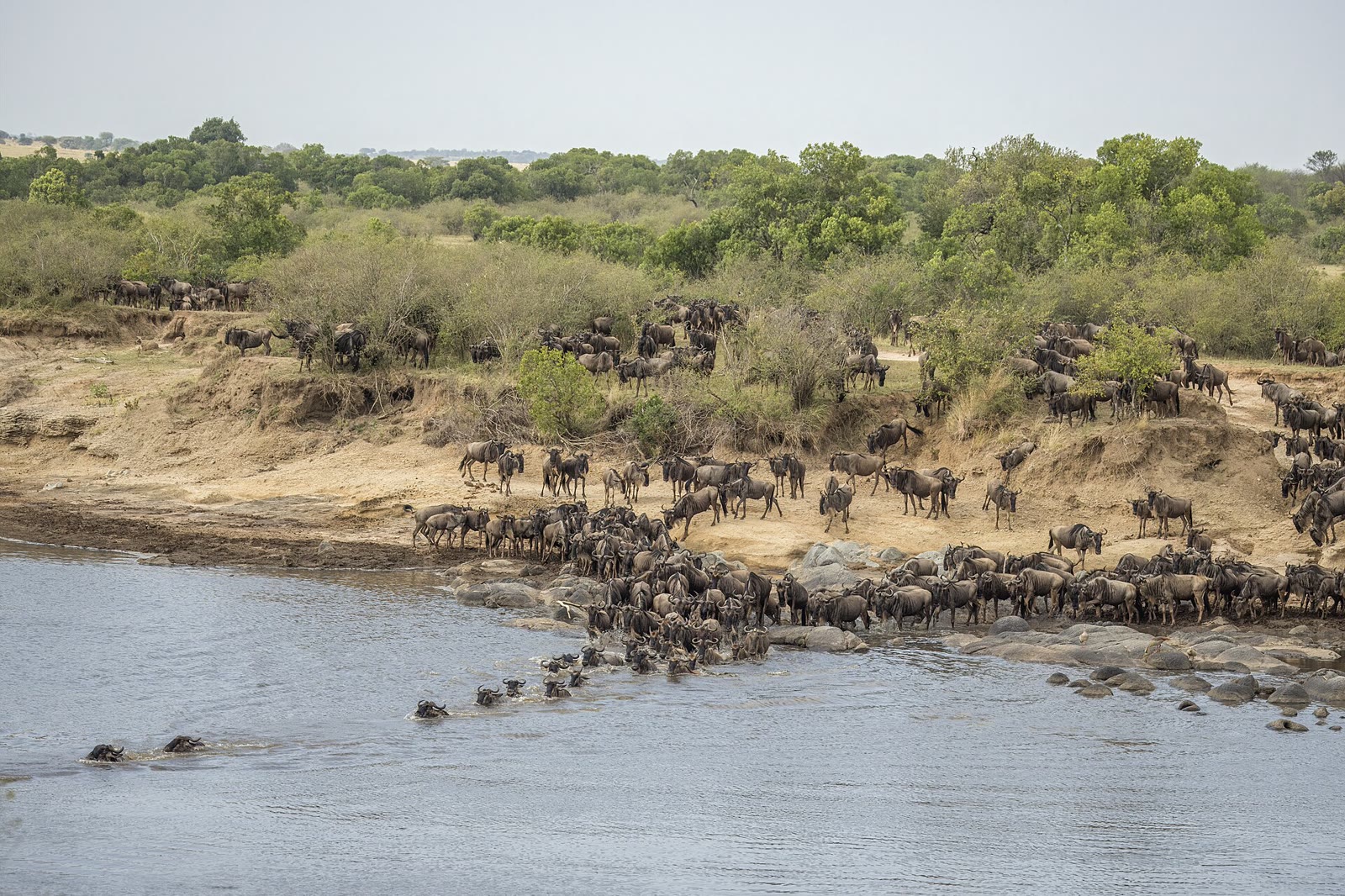
Crucially, "the migration" is not a single event in a single place. It is a moving target. In January to March the herds are calving on the southern Serengeti plains; by May and June they are pushing through the Western Corridor and its Grumeti crossings; from July to October they are braving the Mara River in the northern Serengeti and the Masai Mara; and by November they are streaming back south. A migration safari means going to whichever sector will be active during your travel dates — and accepting that you are watching genuinely wild, unscripted behaviour that no one can guarantee to the day.
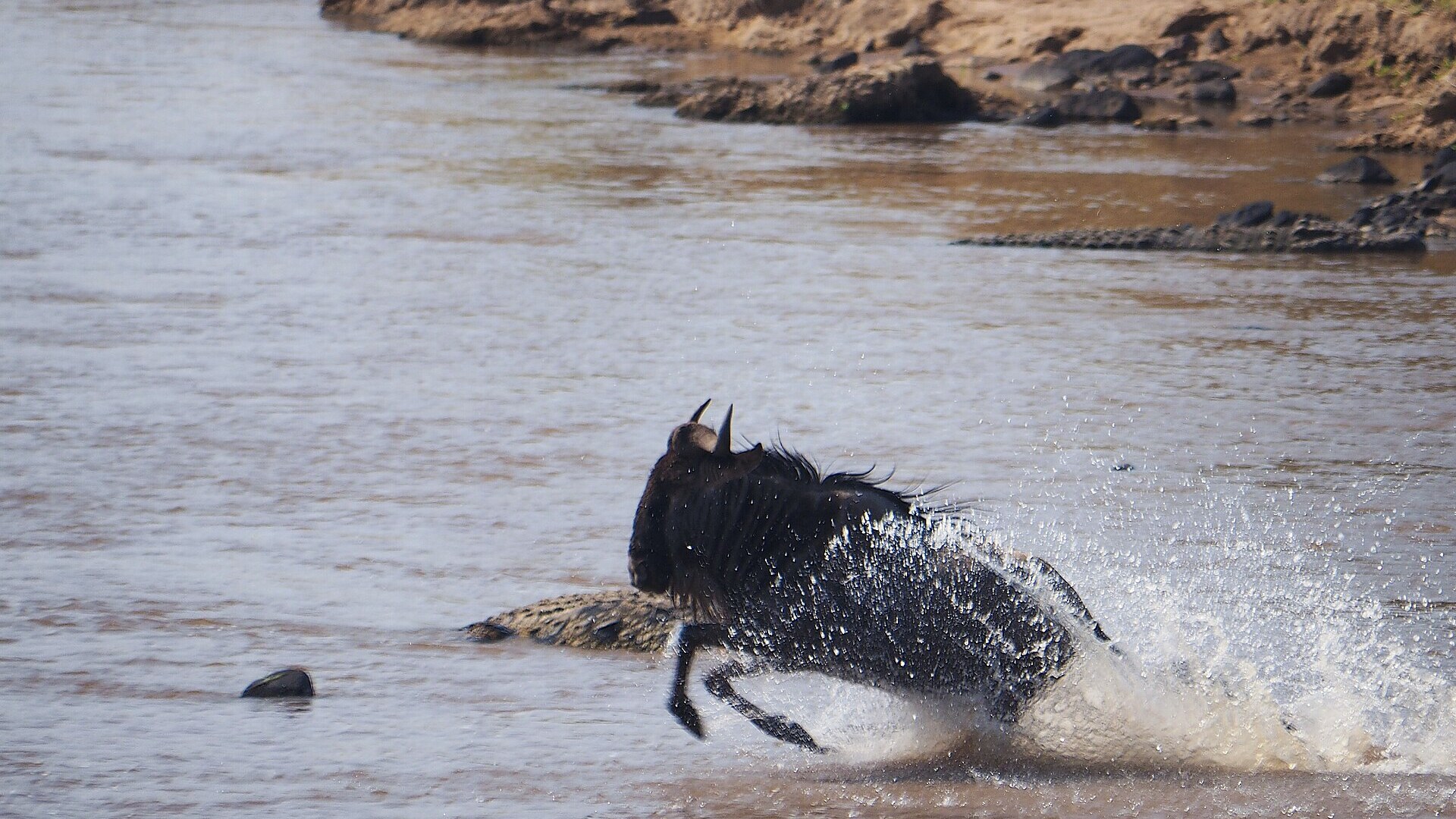
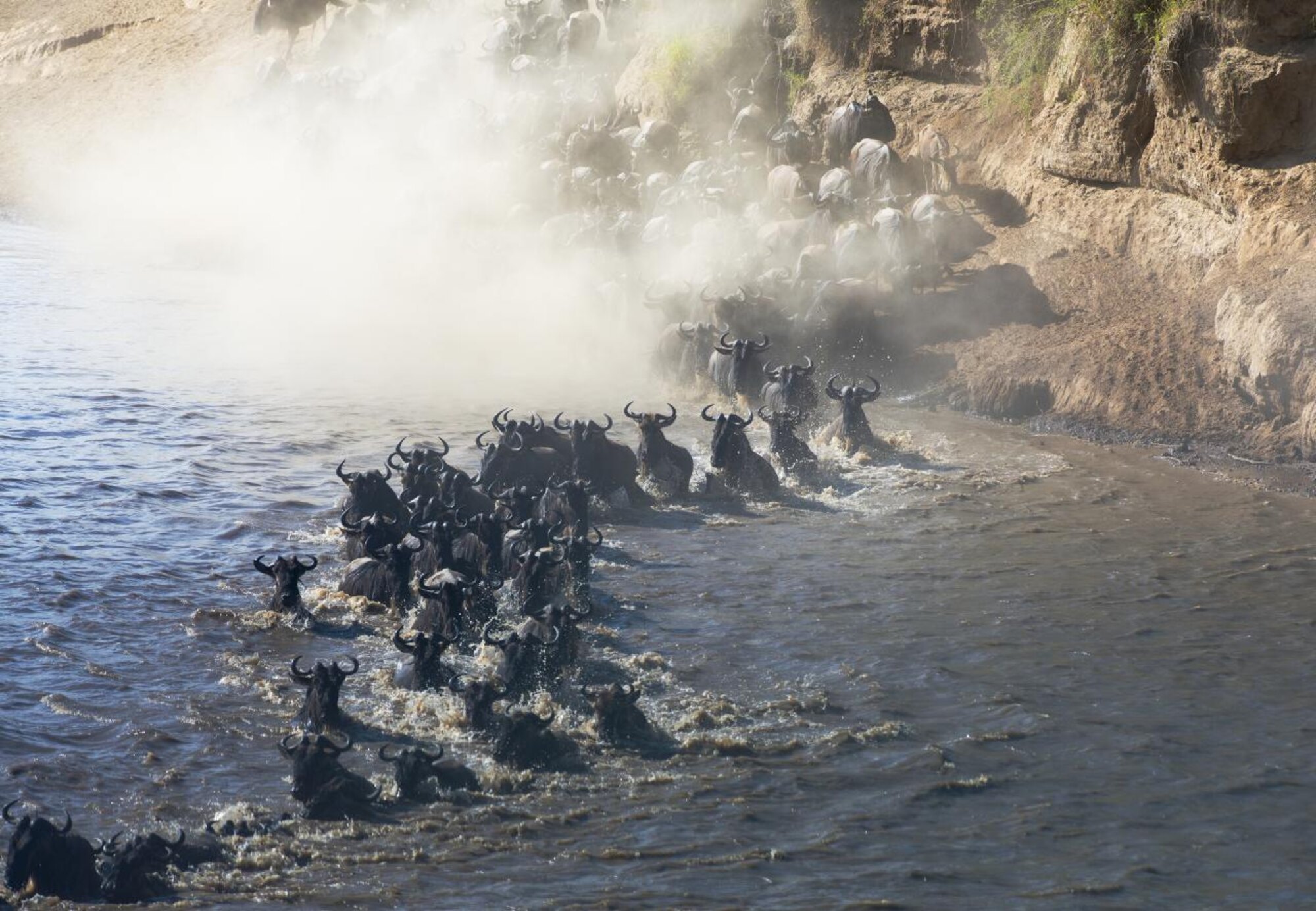
When it comes together, nothing compares. You sit above a river as tens of thousands of animals mass on the bank, the tension building for hours, until the herd pours over the edge in a landslide of hooves and spray. You watch predators shadow the columns across endless plains. You feel the scale of it in your chest. That is what a migration safari is for — and if that image is the reason you want to go to Africa, this is your trip. (For the timing that makes or breaks it, see our guide to the best time to see the Great Migration in Tanzania.)
What a regular safari actually is
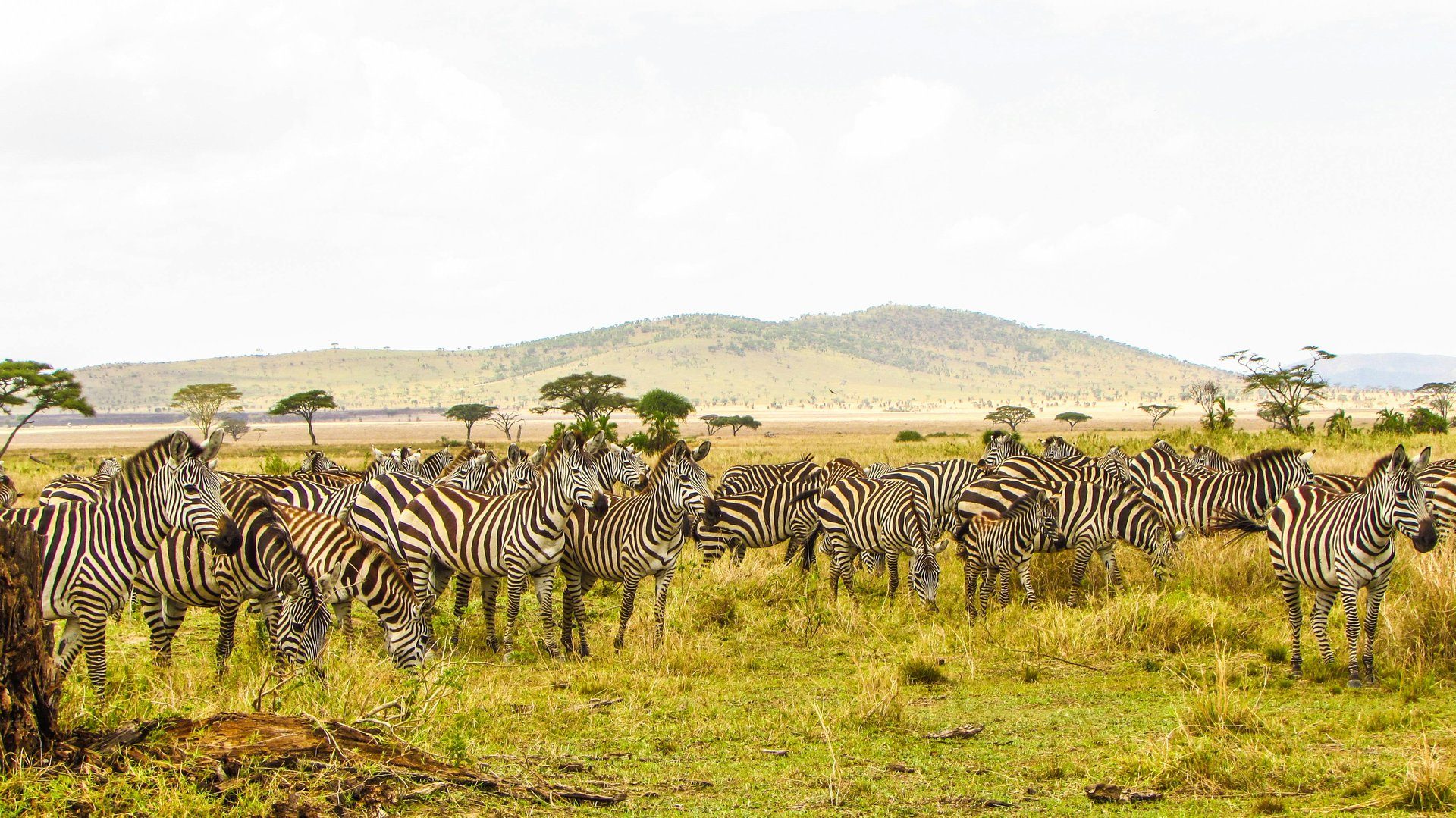
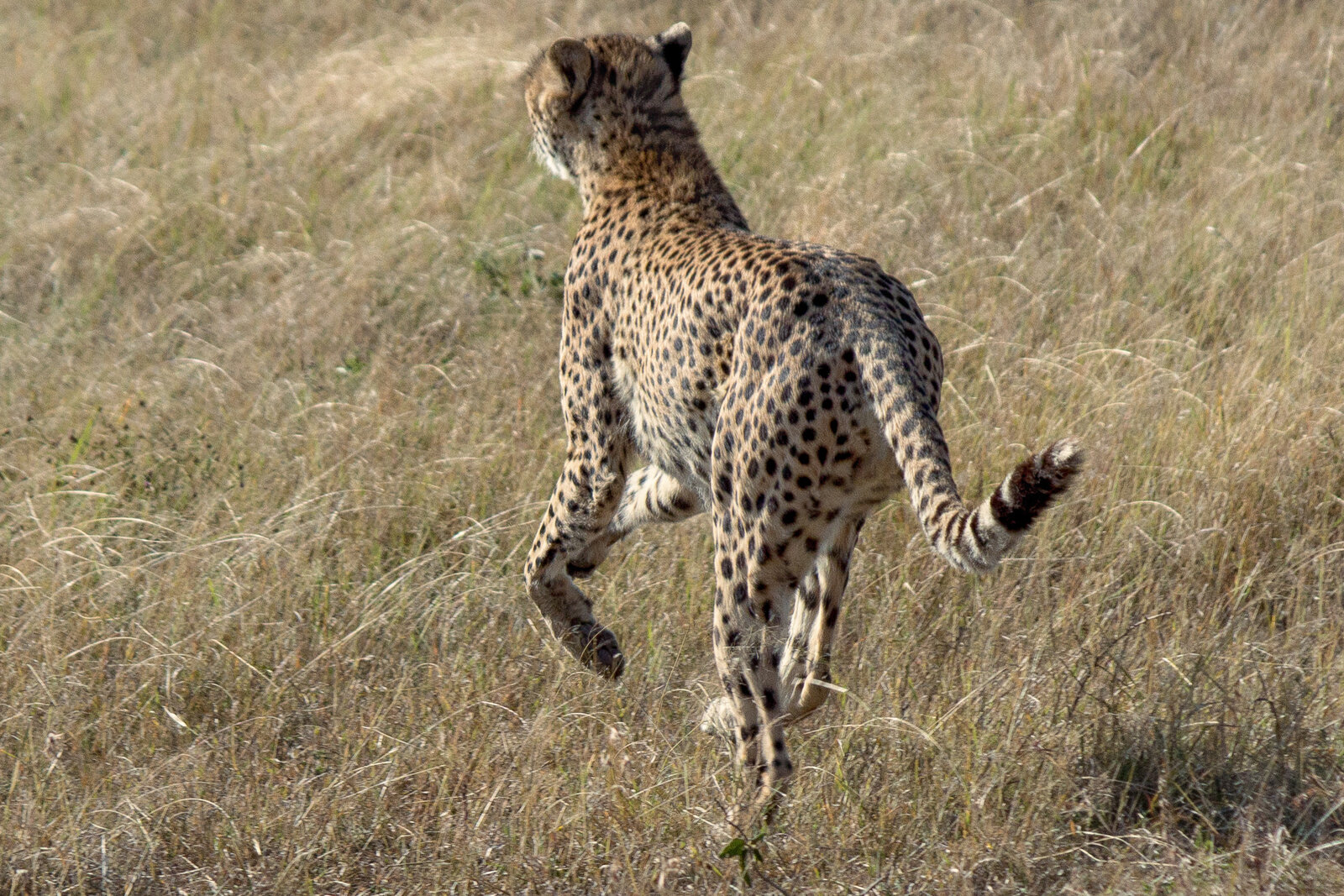
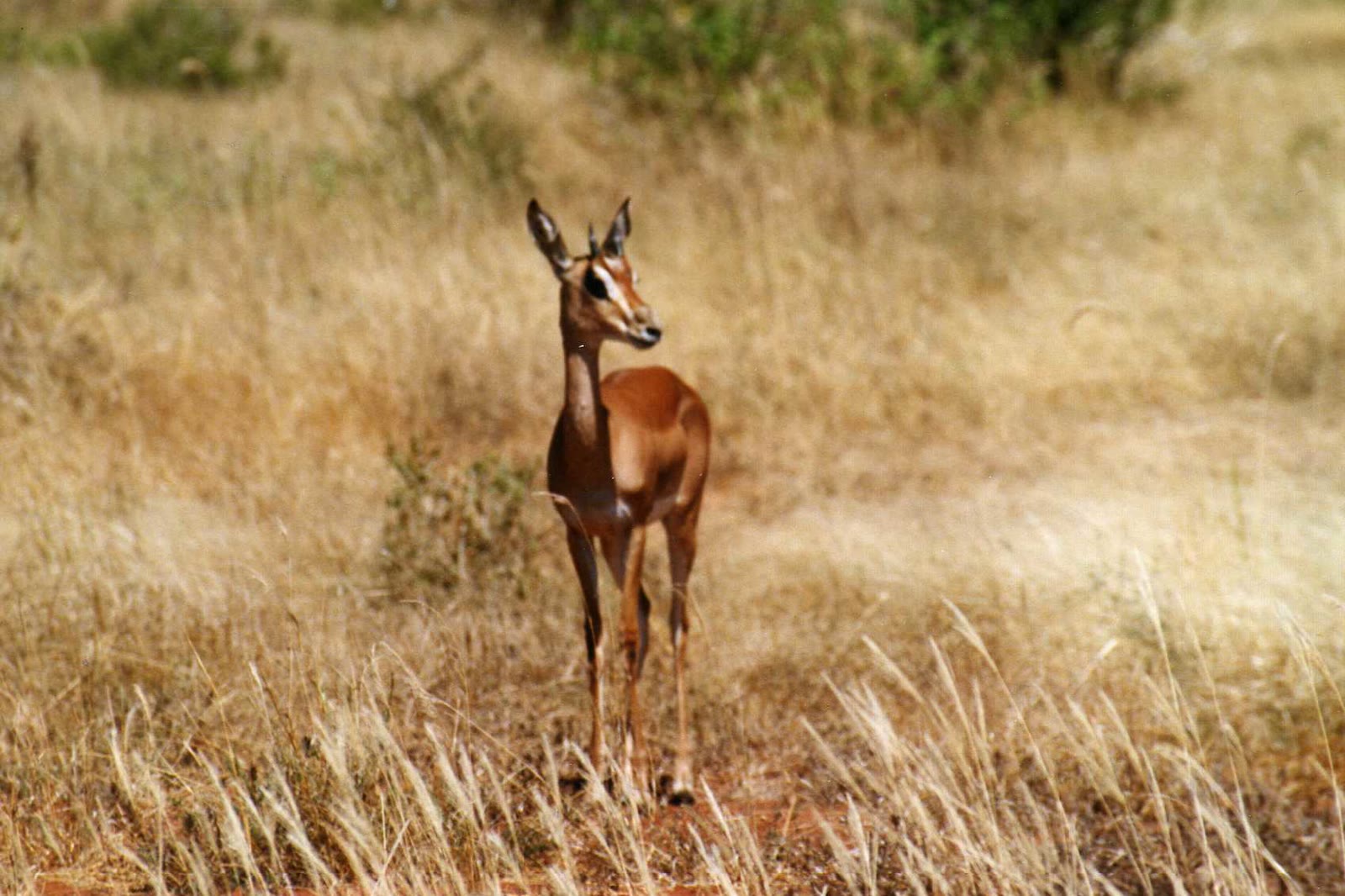
A regular safari — a "classic" or "resident-game" safari — is built around the wildlife that lives in one area all year round, rather than a moving spectacle. You base yourself in a great reserve or conservancy, head out on morning and afternoon game drives with an expert guide and tracker, and look for the Big Five (lion, leopard, elephant, buffalo and rhino) along with the hundreds of other species that make an African ecosystem so absorbing.
This is the safari most people picture, and it is available across a huge range of destinations: the Sabi Sand and greater Kruger in South Africa (famous for the best leopard viewing on the continent), the private conservancies of the Masai Mara, Botswana's Okavango Delta, Zambia's South Luangwa, Namibia's Etosha, and many more. The common thread is residence: the animals are there because that is their home, so the game viewing does not depend on catching a herd at a river on the right week.
The rhythm of a regular safari is its great strength. Days are unhurried and intimate — long, patient sightings of a leopard in a fig tree, an elephant herd at a waterhole, a pride of lions waking at dusk — with time to actually watch behaviour rather than race across a landscape. In the top private reserves you also get off-road driving, night drives and walking safaris that the busy migration parks simply cannot offer. It is safari as a deeply relaxing, endlessly rewarding immersion, not a chase. Our guide to luxury safari tours in South Africa is a good starting point for the classic Big-Five experience.
The honest trade-offs, side by side
Here is where most guides go quiet, because the honest comparison does not favour one product to sell. Both experiences are wonderful; they simply cost you different things. These are the real trade-offs we walk every client through.
Drama vs reliability. The migration's ceiling is higher — nothing in a resident reserve matches the raw theatre of a river crossing. But its floor is lower, too. Crossings are unpredictable; a herd can stand at the bank for two days and not cross, or cross an hour before you arrive. A regular safari has a lower ceiling and a much higher floor: you will not see two million animals, but you are almost certain to have superb, close Big-Five sightings, day after day.
Crowds. This is the migration's biggest hidden cost. The famous Mara and Kogatende crossing points can draw dozens of vehicles jostling for position, which dents both the experience and, frankly, the ethics of it. Top private reserves on a regular safari strictly limit vehicles per sighting — sometimes to just your own — so the intimacy is protected. (This is why, even on a migration trip, we steer clients toward quieter sectors and private conservancies.)
Timing and flexibility. A migration safari must be timed to the herds and booked well ahead for the peak crossing months, when the best camps sell out a year out. A regular safari works almost any time of year and is far easier to slot around your own calendar.
Pace and travel. Migration trips usually involve more internal flights and longer transfers to follow the action, and busier days. Regular safaris tend to be more restful, with more time in one place and less logistics.
| What matters to you | Migration safari | Regular safari |
|---|---|---|
| Peak spectacle | Unmatched — crossings & two-million-strong herds | Superb sightings, but smaller in scale |
| Reliability | Lower — wild, unscripted, timing-dependent | High — resident game, day after day |
| Big Five | Good, but rhino scarce; focus is the herds | Excellent — the core of the experience |
| Crowds | Busy at famous crossings | Quiet — private reserves limit vehicles |
| Best timing | Specific months & sectors only | Almost any time of year |
| Cost per night | Higher, especially in peak season | Wider range, often better value |
| Pace | Busier — more flights & movement | Restful — more time in one place |
| Walking & night drives | Limited in the main national parks | Common in private reserves |
Which is right for you — by traveller type
The abstract trade-offs get much clearer when you match them to who is actually travelling. Here is the honest advice we give, depending on who you are.
First-timers. If this is your first African safari and you simply want to be certain of wonderful, close-up game viewing without gambling on timing, a regular Big-Five safari is the safer, more relaxing choice — and it will still take your breath away. Choose the migration for your first trip only if the crossings are specifically the dream and you can travel in the right window.
Families with children. A regular safari usually wins. Shorter transfers, a fixed base, family-friendly lodges, malaria-free options (in parts of South Africa's Eastern Cape and Waterberg) and reliable sightings suit young attention spans far better than long days chasing herds. See our family safari in South Africa guide for the malaria-free options.
Couples and honeymooners. Either works beautifully, but for pure romance and privacy, a classic safari in a small private reserve — with unhurried days and no crowds — is hard to beat. Add a couple of migration nights if you want a jolt of drama in the middle.
Photographers. This depends on your subject. If you dream of the crossing sequence and vast herds, the migration is the trip; go with a private vehicle so you can position for the light and the action. If you want frame-filling portraits of leopard, lion and elephant with clean backgrounds and off-road access, the top private reserves of a regular safari deliver more consistently. Our safari photography guide covers the kit and settings for both.
Repeat visitors. If you have already done a classic safari and want something bigger, the migration is the natural next step — you have the game-viewing grounding to appreciate just how extraordinary the scale of it is.
What each one costs
Money is part of an honest answer, so here is the shape of it without the sales gloss. A migration safari tends to cost more per night than a comparable regular safari, for two reasons: the seasonal camps positioned near the crossings command premium rates in peak months, and following the herds usually means more internal flights. In the high crossing season the best mobile and crossing-front camps are among the priciest safari beds in Africa, and they sell out far in advance.
A regular safari spans a much wider price range. You can have a genuinely excellent Big-Five experience at a mid-range lodge in the greater Kruger for a fraction of a peak-season migration camp, or spend just as much as a migration trip at a flagship private reserve if you choose to. That flexibility — the ability to dial the budget up or down while keeping the quality of the wildlife high — is one of the regular safari's quiet advantages.
The key point: do not compare a single headline number. Compare the whole trip — flights, transfers, park fees, the number of nights you actually need, and the season. A well-planned regular safari can deliver more days in the bush for the same outlay, while a migration trip concentrates more of the budget into fewer, higher-stakes days. We break down real figures in our guides to Masai Mara private safari cost and how much a Tanzania (Serengeti) safari costs.
The smartest play: combine both
Here is the recommendation we give more than any other, and the one the "either/or" framing hides: for many travellers, the best trip is not migration or regular — it is both, in one journey. A few nights positioned for the migration for the drama and the scale, followed (or preceded) by time in a classic Big-Five reserve for the intimacy, the leopards, the walking and the calm. You come home having seen the greatest wildlife spectacle on Earth and having had the deep, unhurried sightings that a resident reserve does best.
It works logistically, too. A common and superb pairing is a few nights in the Serengeti or Masai Mara timed to the herds, then a hop to a private conservancy or a Southern African reserve for the resident game — or, within East Africa, the Serengeti for the migration and the Ngorongoro Crater for guaranteed Big-Five density in a single, unforgettable bowl. The result is a trip with both a peak and a rhythm, drama and rest, the moving spectacle and the resting wild.
This is exactly the kind of itinerary we build most often, because it removes the anxiety from the choice. You do not have to bet your whole holiday on the herds crossing on cue, and you do not have to give up the crossings to guarantee great game viewing. You get both — and we time and route it so each half is at its best.
When NOT to chase the migration
Because we would rather you had the right trip than the expensive one, here is the honest counsel we sometimes have to give: do not build your trip around the migration if the timing does not line up. If the only weeks you can travel fall outside the crossing windows for the sectors you can reach, forcing a "migration safari" into the wrong month means paying migration prices for a resident-game experience you could have had better, and cheaper, elsewhere.
Skip the migration, for now, if any of these are true: you cannot travel in the right season; you want maximum reliability and minimum crowds on a first trip; you are travelling with young children who will find the long days and flights tiring; or your budget is better spent on more nights of superb resident game viewing than on fewer, pricier nights gambling on a crossing. None of that means never — it just means the migration deserves to be done properly, in the right window, rather than shoehorned in. When that window does not fit, a well-chosen regular safari is the smarter, more rewarding trip, and the migration will still be there when the timing is right.
Plan it with us — the honest way
The reason this choice paralyses so many people is that they are trying to make it alone, from a screen, against a wall of marketing. It is a far easier decision with someone who plans both kinds of trip every week and has no reason to push you toward one. That is us. We are an owner-run South African team on the ground; we plan classic Big-Five safaris and migration trips in equal measure, we watch the herds in real time through our live Great Migration Tracker, and we fold every flight, transfer and park fee into one clear, honest price.
Tell us when you can travel, who is coming and what you most want to feel, and we will tell you honestly which way to lean — migration, regular, or the combination that so often wins. If it is the herds, we will point you at the river that will be firing during your dates and put you at the water's edge, responsibly. If it is the resident wild, we will match you to the reserve that fits your budget and your pace. And if it is both, we will route and time it so each half is at its peak. To go deeper, read our guides to the best time to see the Great Migration, the real dangers of the migration, and the full loop from the Serengeti to the Masai Mara.